‘HEART’: Woven Colors…

I’m just a…
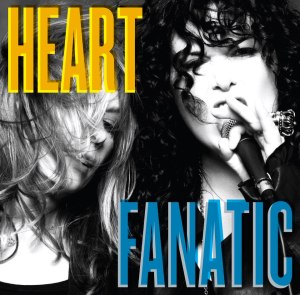
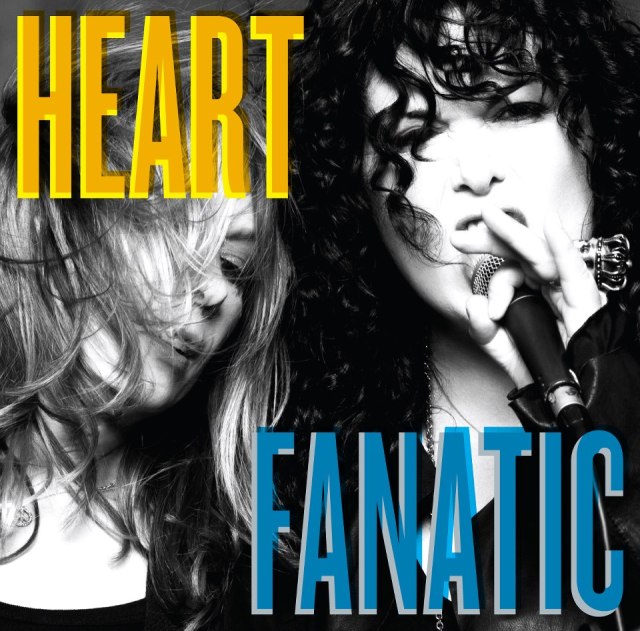
Fanatic pic

“MASHALLAH!” came the cry crashing through an ambiguously deserted landscape: the lone prominent vocal, the thrashing lead ‘axe’ which resonates with a deathly ‘boom’ of bass and drums – integrated with a flourish of orchestral textures – all now serving to overwhelm the tapestry with its vibrant colors. But, this one ‘cry’ ruled all around it and upon wherever it carried and flowed: the echo of the song’s dominant ‘proclamation’.

It’s a welcome honor to have the greatest female voice in rock music bellow a bewildering ‘statement’ through your headset. Infact, you long for her to do it again like some customary musical fetish of the eardrums. Yes, it’s that much of a pleasurable experience to allow Ann Wilson to do this; if you admire her work then you don’t really have any choice. “Mashallah!” is one of the tracks on Heart’s previous studio album, ‘Fanatic’ which was released in the fall of 2012. The song itself reserves a one-word repetitive chorus for its title alone, but its ‘bleeding color’ – painted through the amazing vocal – is overwhelming to say the least. It’s the type of ‘benediction’ one would expect to annunciate whilst meditating at the foot of a gargantuan monolith at Stonehenge…or it’s a determined ‘yawp’ echoing Sly Stallone’s “Drago!” atop a ‘Russian’ mountain in “Rocky IV”…or it’s the call of a modern-day ‘Jane’ returning home to her Tarzan who’s wearing his apron over his loincloth whilst preparing tea…or maybe it’s simply the echoes of the imagination that ring forth whilst embarking upon the ‘prehistoric’ journey in Conan Doyle’s ‘The Lost World’ – you be the judge!

I was first made familiar with the song through footage of Heart’s touring live performance previews leading up to the album’s release. It became somewhat of an enigma and was a powerful taste of the type of hard rock, and folk rock, the Wilson sisters were now intent on crafting and delivering for this hugely anticipated follow-up to 2010’s “Red Velvet Car”. ‘Fanatic’ is a number of ‘rock’ shapes of differing sizes all mixed and matched with glorious colors of volume. “Mashallah!” is the halfway point in the deluxe version of the US ‘Best Buys’ edition of the album. In the UK and Europe it’s numbered a little later than halfway (only 10 tracks on this release). In Japan it more or less maintains its halfway juncture – taking into consideration you’ve got an extra two live cuts on that version. However, it is the song that adds a laudable ‘bridge’ between the opening of the album’s title track and the dark and mystifying finale of “Corduroy Road”.

Needless to say, the album itself was a very satisfying first listen once purchased. Consequently, I’ve become a big fan of ‘Fanatic’ and its whole rock tapestry of color continues to saturate every listening experience. For me personally, it’s the introduction of Heart as an updated hard-rocking outfit for these early 21st century years. Furthermore, we are offered another insight into the uplifting soul of the band via Nancy Wilson’s acoustically-led “Walkin’ Good” (featuring Sarah McLachlan) and more of her own versatile musicianship interwoven with the natural harmony which ignites the chemistry with her sister’s powerhouse vocals. Initially, there are three tracks (including the aforementioned song) that depict the colorful soul of reflection – the other two are the autobiographical “Pennsylvania” and  “Rock Deep (Vancouver)”. Whilst there are considerable colored textures on Ann’s rock-driven vocal palette, Nancy always seems to inject her angelic flourishes that flame the reflective ‘poetry’ she fronts within the Heart song tapestry.

Since it’s release, ‘Fanatic’ has become my most played Heart CD. This listening familiarity also encouraged me to research the extra songs on the US edition of the album which has now led me to re-evaluating the essence of the work. It’s a re-evaluation that is further complimentary but with a different perspective, and one which has come to the conclusion that the additional songs further depict the development of the songcraft of ‘Fanatic’ in three varying stages. It’s from these 3 tracks alone that I feel the album must have generated most of its baseline force – each one integrating a point in the curve as a whole concept. These 3 songs not only offer the colorful plateaus of the electric riffs and driving rhythms that have always thrashed from within the band’s core, but also the wistful, caressing themes with the folk-tinged aroma of other ‘worlds’. Upon further listening to these 3 ‘discoveries’ one can only envisage the sheer joy of a US Heart fan unwrapping the temporarily sealed access to the awaiting musical ‘circumference’: the glittering gateway to its 13 tracks!

The musical landscape of ‘Fanatic’ was derived from creativity channelled on touring buses and in hotel rooms as well as the technical ambience provided by the recording studio. It’s a journey of introspective values which we’ll now examine closer as we open up the colorful bag of goodies and delve deeper, commencing with those 3 US edition tracks…

‘Beautiful Broken’:
A frenetic mix of drums, bass and guitar-thrashing eloquence streamlined with an accoutrement of distorted effects which blend assertively into the mix of the album. The song harks back to the earlier “Little Queen” and “Bebe Le Strange” days of the late ’70’s/early ’80’s. The infusions of ‘punk’ and ‘grunge’ combine to make the narrative of this ‘discovery’ a keeper – play it loud:

‘Two Silver Rings’:
A ‘psychedelic’ trip which evokes images directly from a late-60’s landscape somewhere between the Summer of Love and  Woodstock. It’s an intriguing performance in both its haunting instrumentation and mystical lyrics – Ann’s spoken delivery conveys a sense of eerie occurrences. With references to “hemp”, “carob” and “Colors woven by the sun” – you’ll enjoy the trip:

‘Zingara’:
The alternate “Corduroy Road”, or perhaps the making of it, in which Nancy takes the lead vocal and acoustic on this performance. The song is not as dark in its undertones as its aforementioned counterpart and takes on a ‘gypsy-style’ life of its own. Ben Mink interweaves his strings throughout the process which adds to the enjoyment:

At this point we’d like to offer you the opportunity to read ‘RockRevolt’ Magazine’s review of ‘Fanatic’ at the following link:
Fanatic Review

‘FANATIC’:  

Fanatic pic

You can check out Ultimate Classic Rock interview with Ann about Heart’s ‘Fanatic’ live show at the following link:
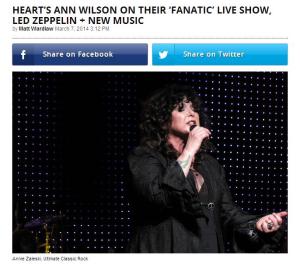
Ultimate Classic Rock

‘FANATIC’ Live:

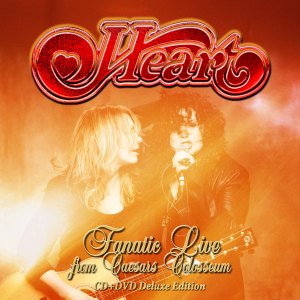
heart_fanaticlive_CD

‘Heart’ – Official Website:
Heart - Official

Posted in Album, CD, Concert, DVD, Live, Music, Rock, Studio | Tagged , , , , , , , , , , , , , , , , , , , , , , , , | Leave a comment

JOHN LENNON Catalog Arrives on Spotify | Rolling Stone

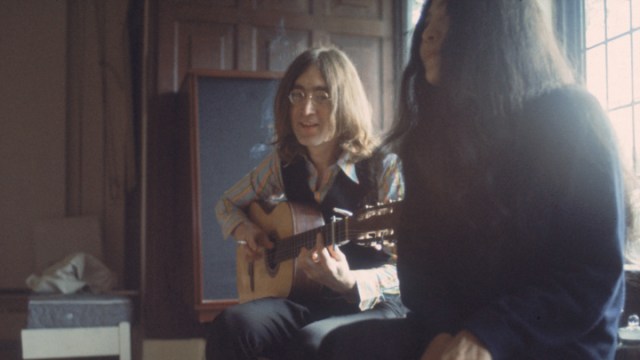
John Plays For Yoko
                                                                                                                                                                                 Photo: Susan Wood/Getty
John Lennon plays for Yoko

By  | October 7, 2014

All of the studio albums that John Lennon released between 1970 and 1984, including Plastic Ono BandImagine and Mind Games, are now available for streaming on Spotify alongside three Lennon comps that came out in 2010. Power to the People collects Lennon’s singles, including non-album cuts like “Give Peace a Chance” and “Cold Turkey.” Gimme Some Truth breaks up the Lennon catalog into four themes, including protest songs, love songs, life ruminations and covers of tunes that inspired him. And the John Lennon Signature Box, which contains the albums, singles and a disc of “home tapes” demo recordings, including versions of “Mother,” “God” and “Isolation.”

Although Lennon’s late Sixties experimental collaborations with Yoko Ono – including Unfinished Music No. 1: Two Virgins, Unfinished Music No. 2: Life With the Lions and Wedding Album – are still not yet available on Spotify, the additions include the albums he co-released with Ono in the Eighties, Double Fantasy and Milk and Honey.

Earlier this year, excerpts from joint interviews that Lennon and Ono sat for in the late Sixties and early Seventies were animated as part of PBS’ Blank on Blank interview series. In them, they talked about their relationship. “If you love somebody, you can’t be with them enough,” Lennon said. “There’s no such thing. We don’t want to be apart.”

In other Lennon news, manuscripts of two books he issued during his Beatles years, In His Own Write and A Spaniard in the Works, sold for a collective $2.9 million at auction, more than twice what they were estimated to sell for. Additionally, a letter of apology that Lennon wrote to Phil Spector, apologizing for Who drummer Keith Moon and singer-songwriter Harry Nilsson’s rude behavior during the sessions for his Rock ‘n’ Roll album, went to auction. The letter, which was titled “A Matter of Pee” sold for £53,000 (more than US $85,000), according to The Independent. It was initially estimated to go for £7,000 (a little over $11,000).

via John Lennon Catalog Arrives on Spotify | Rolling Stone.

Posted in Album, CD, mp3, Music | Tagged , , , , , , , , , , , , | Leave a comment

From the Magazine archive: BRIAN SETZER « Guitar Aficionado

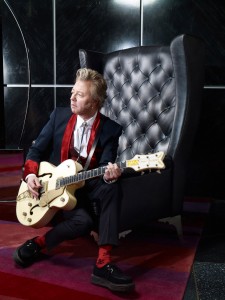
setzer-83779-225x300In a career spanning more than four decades, Brian Setzer has made an indelible mark on rockabilly and big-band music. With his latest album, he’s now conquered instrumental music as well.

By Chris Gill

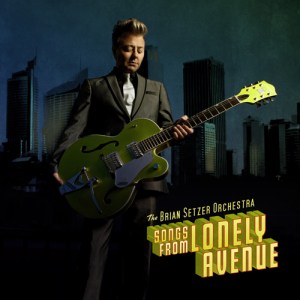
You won’t find many successful musicians forsaking Southern California’s balmy climes for Minneapolis’ frigid environs, but that’s just what Brian Setzer did. In 2005, the guitarist relocated to the city from Los Angeles, his home for two decades. The move apparently did nothing to slow him down. Since then, the former Stray Cats frontman has recorded several outstanding albums, including the rocking solo album 13 and his most recent studio effort with the Brian Setzer Orchestra, Songs from Lonely Avenue, a jazzy, sophisticated collection of self-penned material that many critics praised as some of the finest work in his 30-year career.

“Minneapolis is a good place to be,” says Setzer, relaxing among an impressive assortment of vintage and custom Gretsch guitars and classic amps scattered about his downtown loft. “It’s really nice up here, if you don’t mind the cold weather. The people are great, it’s not crowded, and there is no rush-hour traffic. You can drive 15 minutes and go fishing or enjoy any variety of outdoor activities. There’s also a really good music scene downtown.”

Although Setzer spent most of 2010 enjoying the comforts of home away from the road, he didn’t relax idly by the ol’ fishin’ hole. Instead, he recorded his first all-instrumental effort, Setzer Goes Instru-Mental, which is the album longtime fans of his guitar playing have waited to hear. While Setzer has offered a few tastes of his fierce guitar-playing skills on a handful of extended solos or a rare instrumental track on his albums with the Stray Cats or the Brian Setzer Orchestra, Setzer Goes Instru-Mental showcases his impressive talents and the breadth of his playing like never before. In the pantheon of great instrumental guitar albums, it deserves a prominent place alongside hillbilly jazz classics by Jimmy Bryant, Hank Garland, and Joe Maphis as well as discs by modern style-fusing virtuosos like Danny Gatton and the Hellecasters…

brian-setzer-sgi

“I didn’t start off wanting to do a purely instrumental record,” Setzer admits. “When I started writing songs for this record, I quickly completed six or seven songs with vocals. All of a sudden, I started fooling around with the melody chords that became the foundation for my version of ‘Blue Moon of Kentucky.’ I thought it sounded really cool. People don’t really play that style of chord melody any more. Before I knew it, I had the whole song rearranged and redone. I ended up abandoning the other path I was on and started going in an instrumental direction. Then the ideas started flying.”

Although the album features a few covers, like “Blue Moon of Kentucky,” the jazz standard “Cherokee,” and the quintessential Gene Vincent rockabilly classic “Be-Bop-A-Lula,” most of the songs are new original compositions. “Far Noir East” tips its wide-brim Borsalino to moody crime jazz, while “Earl’s Breakdown” pays tribute to bluegrass legend Earl Scruggs, with Setzer pickin’ and grinnin’ on a five-string banjo. “Intermission” has the smooth savoir-faire of a Jimmy Bryant barnburner, contrasting the gritty, reverb-drenched, surf-inspired “Go Go Godzilla” and “Hot Love.” The track “Pickpocket” showcases Setzer’s signature rockabilly-infused Travis picking at its finest, while his solo performance on “Hillbilly Jazz Meltdown” will likely earn him respect from a new following of guitar connoisseurs.

When told that several of the songs on the album feature performances that are reminiscent of classic instrumental tracks by Jimmy Bryant, Hank Garland, and Les Paul, Setzer admits, “I don’t really study other players, per se. It just comes out of me sounding the way it does. I’m Brian Setzer, but I am influenced by a wide variety of guitar players who make me who I am. Sometimes I think that playing so many different styles might hurt me a little bit; people generally want to listen to a musician or artist who does one thing straight down the middle. That just ain’t what I do. You could argue that it’s been to my advantage, and maybe that’s why I’ve been around for more than 30 years. I do it because I always like to try to do different things. I get bored doing the same thing. In this case, I realized that I had never made a record where it was just me playing guitar.

“All of the songs have a little taste of somebody else,” he elaborates. “The end of ‘Cherokee’ sounds a little like Les Paul, and ‘Be-Bop-A-Lula’ is my own version of that song, but if you’re a guitar player you just have to play Cliff Gallup’s solo. I didn’t nail it down perfectly note for note, but you have to get that same feel because it’s so classic and good.”

Speaking of classic and good, the guitars that Setzer used to record the album included several choice instruments from his collection that he’s rarely had the proper opportunity to record with before. “I finally got to use my 1963 D’Angelico Excel on ‘Cherokee,’” he explains. “That guitar is a god. It has a Rhythm Chief pickup on it, and I plugged it straight into a 1961 Fender Twin amp. The acoustic rhythm guitar is also the D’Angelico, but I unplugged it and recorded it acoustically with a mic. If you’re going to play an archtop, there’s nothing that compares to a D’Angelico. The D’Angelico is the Stradivarius of the modern age. It sounds like a piano. I’m lucky to have two D’Angelico guitars: the Excel and a New Yorker.”…

bs-13-cover

Setzer played another iconic jazz archtop on “Lonesome Road.” “I used a Stromberg Master 400 on that song,” he says. “Wow! What a guitar. It has a big, beautiful sound that is unlike anything else. It’s a whole different beast than the D’Angelico, but it sounds great as well. I really love old archtops. I’ve always wanted a Stromberg, and I finally found some guy in England who had one for sale. I couldn’t believe it when I found it. I traded one of my guitars with him and gave him some cash.”

However, for most of the album Setzer relied primarily on his trusty Gretsch guitars. “For the rockin’ stuff, I’ve never been able to beat that Gretsch tone,” he says. “I bought my first Gretsch 6120 when I was a kid. When I plugged it into my Bassman amp I went, ‘There it is!’ That was the sound I was looking for. I’ve tried to improve upon that sound, and I’ve even tried playing through other rigs. I once tried playing a Les Paul through a Marshall, for example. But I never could beat that sound. It works for me.”

To record Setzer Goes Instru-Mental, Setzer initially planned to use that same iconic 1959 Gretsch 6120, which he has played on records since the beginning of the Stray Cats, plugged into his 1962 Fender Bassman amp piggybacked on a matching 2×12 cabinet. But his signature rig started giving him trouble as soon as recording got underway.

“A lot of my vintage gear broke down on me while I was using it,” he says. “I played my ’59 Gretsch through the ’62 Bassman on the first song I recorded, but halfway through the song I realized that one of the speakers was blown. Luckily, we miked the speaker that was still good. After that, the Gretsch started to fall apart. First a few frets slid out, and then the Bigsby broke. I guess I play my guitars pretty hard. I just said the hell with it and grabbed my new signature model Gretsch or one of my Gretsch Hot Rod guitars instead and used them for the rest of the record.

“It worked out because it inspired me to try different things. My tone on ‘Far Noir East’ is probably the best guitar tone I’ve ever gotten. I played my signature 6120 through the ’61 Twin and a 1961 Fender Reverb unit. The sound that came out of that rig was just beautiful.”…

BSO_LONELYAVE_FINAL500

Setzer is an avid Gretsch fan who played a significant role in the company’s resurrection in the late Eighties and has helped the brand maintain and grow its popularity these last three decades. Although he’s collected a wide variety of vintage Gretsch guitars over the years, including several White Falcons, Silver Jets, and even a 1955 Roundup with a matching amp, he feels that the guitars Gretsch is making today are as good as they’ve ever been, if not better.

“Vintage Gretsch guitars need to be maintained and refurbished,” he says. “You can’t play a stock Gretsch from 1959. It probably won’t play in tune and the fretboard will probably be warped and pitted. You can get it refurbished to make it playable, but that takes away some of its value. The new Gretsch guitars are pretty much spot on. I’m glad we’ve got them playing right again. When Gretsch first came back in the late Eighties, they just weren’t doing them right. They lost their way and were making guitars with big, thick tops on them. I couldn’t get them to make the guitars the way people wanted, which is like the way they made them in the Fifties.”

Setzer credits FMIC (Fender Musical Instrument Corporation), which took control of the production, distribution, and marketing of Gretsch guitars in 2002, with taking the necessary steps to make the guitars the way Gretsch enthusiasts wanted them. As an example of Fender’s commitment, he tells the story of how Fender vice president Mike Lewis put a vintage Gretsch 6120 through a CAT scan machine to accurately replicate the distinctive trestle bracing used on that model during the late Fifties and early Sixties. “Mike wanted to do it right,” says Setzer. “He figured that a CAT scan was the best way to figure out how it was done.”

Setzer’s guitar collection features a handful of instruments that don’t fall into the Gretsch or jazz archtop category, including a 1964 Gibson Firebird V with a Cardinal Red custom color finish, a 1959 Guild Bluesbird, a 2003 Bigsby BY-50, and a 1956 Martin D-28. “That old red Firebird plays real good,” he says. “I have a lot of vintage guitars, but I don’t own any Flying Vs or ’59 Les Pauls. What I have is what I play. I’ve gotten rid of stuff that I don’t use. It doesn’t make any sense to me to keep a guitar in a closet and just look at it occasionally.”…

Rockabilly_Riot!,_All_Original_Album_Cover

Fans in Europe and Japan will have the opportunity to hear a few of Setzer’s new instrumental songs live when he brings his latest project, the Rockabilly Riot, on tour there this year. “The Rockabilly Riot is three bands in one that covers my whole career,” he explains. “It has two standup bass players, two drummers, piano, and me. We aren’t all on the stage at the same time until the end. I want to have two guys standing on their basses trading licks. I think that would be cool, and I don’t think that’s been done. I want to have a real rockabilly riot at the end.”

In the U.S., fans will have to wait until year’s end when Setzer will be reviving his annual holiday tour with the Brian Setzer Orchestra. Although Setzer once hinted that he was considering retiring his big band, after 18 years it’s still going strong. “I can’t kill the big band,” he says, laughing. “I don’t have any plans to record an album with them because it’s very expensive to record a big-band album. I have to be really confident about what I want to do with them before I enter the studio. The Christmas tour has become a standard, and people really missed it when I took a break last year, so I’m doing it again this year.”

Considering all the different musical avenues Setzer has cruised down these past few years, from recording faithful recreations of Sun Records rockabilly classics to reworking classical compositions with swing arrangements, it’s hard to predict which direction he’ll turn next. “I just stay true to myself,” he says. “Deep down I’m a rockabilly cat, but I jump in all these different directions, as cats will do. Looking back over the last 30 years, I’m very lucky. Not many people go that long. They burn out or just end being forgotten about. I’m very grateful.”

via From the Magazine: Brian Setzer « Guitar Aficionado.

Posted in Album, CD, Instrumental, Music, Rock | Tagged , , , , , , , , , , , , | Leave a comment

STRAY CATS: Hot Rods, Harleys and Hormones…

StrayCatsRockinBonesLogo

StrayCats_Pin-UpWith an everlasting eagerness to learn about, and listen to, those early ‘ringin’ rumbles’ of Rock ‘n’ Roll music as we know it, during the dawn of my early teenage years, was both a rapturous blast of discovery and a healthy part of growing up, believe it or not. However, to some it may have been wrongly judged as a somewhat ‘unhealthy’ part of the process – smothering yourself in all that music your parent(s) grew up with, playing all that ‘scratched, cracklin’ vinyl’ which sounded like you were cooking your weekend fry-up: “Do you also play your records on your mother’s old gramophone?!” – the question of ridicule which was typically met with ‘gigglin’ girlie’ laughter by those who were witness to this uneducated slur on a well-educated pleasure. It was such ‘slurs’ that were made by the uneducated who preferred the then-current day mainstream music of chart hits more than anything else, and therefore couldn’t really understand the importance of the nostalgic overtones in my preferred choice of ‘sanity’. What these so-called modern ‘hipsters’ didn’t quite get was the fact that most of their pop/rock idols of the day were influenced by this bygone era too. Nevertheless, I was proud to be a Rockabilly/Rock ‘n’ Roll ‘Revivalist’ – carrying that torch, flying that flag, and collecting that music: Bill Haley & His Comets, Elvis Presley, Carl Perkins, Little Richard, Jerry Lee Lewis, Gene Vincent, Eddie Cochran, Chuck BerryBuddy Holly, et al. The glorious singles and albums (and several cassettes) were alphabetically arranged in my vinyl storage cases.

In 1980 the emergence of ‘The Stray Cats’ – a trio of pioneering Rockabilly ‘Rebels’ – brought a welcome homage to the current rock revival scene in the UK and Europe. The Cats’ debut album and singles sat proudly amongst the established R ‘n’ R greats in my record collection, and I had become a part of a generation who were keen to discover further pop culture elements and influences with significant attention on American diners, jukeboxes, motorcycles, cars, Gretsch guitars and the obligatory bobby-soxer ‘chicks’ and James Dean worship – all deliciously wrapped up into a cultural festival of ‘cool’ for the 80’s! Even the popular US sitcom, “Happy Days” (then currently being screened across various regions of the UK) had already cashed in with a compilation of classic 50’s and 60’s hits from its story timeline entitled “Fonzie’s Favorites” (the concept was named for the show’s much-loved lead character, ‘Arthur “The Fonz” Fonzarelli’). Furthermore, the UK jumped on the nostalgia bandwagon by commissioning the revamp of the late ’50’s television favorite, Jack Good‘s “Oh Boy!” – the first British TV all music series. Shortly thereafter, this revamped format was continued with a new series entitled, “Let’s Rock”.

The correct timing of the place and cultural trends all combined to assist the rockabilly exploits of this ‘greaser’ trio having then-recently left the US in order to execute a worthwhile itinerary on UK shores. It may have felt like a decision made of the utmost premature nature for their developing legion of fans around Long Island, New York, especially having not released any form of wax ‘keepsakes’ so that they could purchase something to immediately remember them by. However, the band, consisting of Brian Setzer“strummin’ ‘n’ croonin'” (lead guitar & vocals), Lee Rocker“slappin’ ‘n’ howlin'” (Double-bass & vocals) and ‘Slim’ Jim Phantom“bangin’ n’ yellin'” (drums & vocals), embarked upon the dawn of this new era with unyielding aplomb. The time was ripe in Britain and it embraced the boys’ dedication in delivering their own interpretation of the early Sun Records sound intermingled with blues orientations whilst maintaining their own creative brilliance in songwriting and musicianship. Here was a hard-working band who vented all their passions firmly into something they lived and breathed and in the process developed their own individual nuances in production. They looked dangerous and played even more dangerously – it was raucous, riotous Rockabilly, or early Rock ‘n’ Roll, if you will. Setzer’s guitar solos added a flavour of Scotty Moore, Les Paul and Cliff Gallup with some aggressive textural flourishes sounding very much derived from a Jimmy Page-like influence. The chart sales and placings were equivocally good and bad for such an excellent output of material which eventually infused some Jazz rhythms with saxophone and keyboards, but still nurtured its rockabilly raucousness…

Stray Cats logos

Consequently, the band’s sound and image combined to display another major ingredient of appeal: post-Punk sensibilities. It’s there in the tattoos and the ear-rings – just two of the elements grabbing designs on the attitude. It’s also laced throughout their rockabilly sound – Brian’s growling vocal that intermittently duels with the growling riff of his guitar solo. The camaraderie of hollerin’ and screamin’. It’s a revolution all itself and one which was taking flight. These guys conveyed an image of an ‘hard shell’ exterior at the next available opportunity through their performance repertoire, but there’s a softer interior that’s very accessible – a defining landscape of innocent elements of an earlier time when rock was young(er). But, here was a band with an additional mix of ‘crudeness’ that created a further ambiguity about their intentions. If they had been formed at any earlier juncture in the 70’s and subsequently toured the UK, they most probably would have been defined under the category of Proto-punk – the same distinguished characteristic that Marc Bolan and T.Rex had been identified with leading up to Marc’s tragic and untimely death during the reign of the Punk rock revolution in 1977. Nevertheless, in late 1980 and early 1981 the rockabilly train began to rumble on ahead at full steam and with Dave Edmunds as the engine driver steering production everyone fell in love with the debut of the Stray Cats

‘ROCK THIS TOWN’:

It’s a bittersweet mystery that befalls the release of their follow-up album in late 1981: “Gonna Ball”. The rumours circulated that they were producing this next recording by themselves and were ready to test run a few compositions outwith their established formula and repertoire. However, rockabilly, r n’ b, blues rock – it was still at the heart, the whole core components hadn’t been stripped away – they were still ever-present. What is delivered in this 2nd album is a mix of inspired performances which also introduced their work within a couple of other genres which are not necessarily out of context with their own brand of music. This aspect of the album illustrates how the guys are intuitive enough to realise the diversity of their talents and the necessary development required with each new phase of musical presentation. It shouldn’t have come as too much of a ‘taxing’ surprise that the band were ready to introduce alternative styles into their repertoire:  “Wild Saxaphone“, at the close of Side 2 on their debut album, hinted at new musical prospects for the future. Furthermore, some of the styles in the follow-up work were to be developed in later years in order to assist each individual player’s glorious path of destiny. Incidentally, a selection of singles were also waxed from the ‘Gonna Ball’ album and yet to no avail. Is it any wonder they re-grouped, re-organised and re-located – back to their roots in New York…?!

The return home was a triumph and justice prevailed. At the start of the summer of 1982, EMI America released “Built For Speed” which was a compilation of several tracks from their first two UK album releases. This album hit the No.2 spot on Billboard’s Pop Album chart. Plus, the singles “Rock This Town” and “Stray Cat Strut” broke the Top 5 on Billboard and it goes without saying that the US had wholeheartedly welcomed their ‘sons of rockabilly’ back with open arms. The following here is an interview with the guys hosted by Dick Clark on ‘American Bandstand’ in late 1982. It’s interesting to note how they obviously still have some affection for British shores despite the abrupt lack of success over there with their follow-up album and singles. However, take note also that they were scheduled to go back to England in 1983 to record their next album (“Rant N’ Rave…”) with Dave Edmunds at the producing helm once again:

“Rant N’ Rave with the Stray Cats” was an album that maintained their 50’s rockabilly style and served as another worthwhile showcase, not only for a great ensemble trio, but as individual artists. It should be deemed as another classic of its genre, albeit an underrated one as it wasn’t as commercially successful as their US debut album and only achieved positions of 14 and 27 on Billboard’s album charts. The single, “(She’s) Sexy + 17” achieved a high of No.5. Success was still only moderate across the Atlantic but their ‘cult’ status was retained sporadically. This would prove to be the case throughout the Stray Cats’ tenure of musical productivity from 1980 – 84, 1986 – 93 and finally 2004 – 09. I still feel it’s a travesty that their work hasn’t been wholly recognised throughout the years, and in summary I can only cite the ever-changing commercial trends – on both sides of the Atlantic – to be the main sources of reason behind this matter. In complete contrast, the likes of The Rolling Stones, The Who and Led Zeppelin all championed the talent and musical output (both studio and live) of the Stray Cats for years especially during their first period of  creating ‘classic’ genre-defining albums. As you read on and peruse you will discover such defining testimony to the creative processes and outcomes of a truly great band…

‘DRINK THAT BOTTLE DOWN’:
The following depicts my listening odyssey of the first time I actually listened to the ‘B’ side of the Cats’ hit single, “Stray Cat Strut”. The title of the song is “Drink That Bottle Down” and it was co-written by all three members of the band. Furthermore it’s an astonishing live performance captured during their UK tour of early, 1981. The city of Newcastle-Upon-Tyne in the North East of England plays venue host here. Plus, as an extra bonus at the end of this article you’ll find another live performance of the song which is also worth a watch/listen because of its alternative delivery and presentation. Now, I’m almost certain that a studio version of this song was never committed to record; the spontaneous appeal of a live showcase for the song allowed for endless possibilities of execution. For the moment, here’s the performance that inspired a ‘teenage’ listening odyssey for myself and you can read that which precedes the video here. I hope you enjoy the reflections of my listening journey…

Drink That Bottle Down Stray Cats‘Stray Cat Strut’ single with a zoom-in on “D.T.B.D.” on back cover

“At the time no words could even attempt to describe the moment that followed when I first flipped over the ‘A’ side of ‘Stray Cat Strut’ to encounter the haunting rawness of “Drink That Bottle Down” – a live execution dripping in an earthy blues of inconsolable desperation. It’s all here and it was the finest piece of modern-day blues rock that seemed to filter from a primitive musicality of a bygone era. The spine shivered and the prickly hairs spiked to attention – it was chilling…but oh so frighteningly beautiful. From Brian’s weaving solo lead-in hook to the shock-surprise discovery of ‘bassman’ Lee delivering the raucous lead vocal (I hadn’t read the back of the single cover’s vocal credits at that point)…from the ever-reliable time-keeping ‘thud’ of Slim Jim’s drums to Brian’s heartfelt harmony-part on the chorus ‘line’ which soothingly descends upon Lee’s vocal like the slow pouring of a golden vintage. “Oh, play the blues, Brian!” – Lee’s bellowing encouragement is raging on approach to the first instrumental solo and Brian and the Gretsch consummate that growling passion. The showcase is now aflame and further ignited to the next level: the ambience succumbs to the piercing sound of her electrifying ‘lover’. This was soooo ‘dirty’. I felt as though I shouldn’t really have been listening. In a sense I was strangely relieved the first solo segued back into Lee’s vocal at the next appropriate segment. But, the ‘growl’ of the Gretsch was still biting, fighting – still frightening. It was very overwhelming…and now I feel so vulnerable to the point of these feelings having been ‘erotically’ charged by this…this…guitar ‘seduction’…it being so ‘beautifully’ belligerent…if I played it that way my teeth would be chipped, my lips bloodied, my…my passions f…fingering that fretboard – a musical ‘highway’ of dishonourable ‘delight’…Brian’s second solo is ablaze whilst the drums and cymbals became an intense thunder and lightning of erratic ‘heartbeats’ in tandem with a ‘filthy’ fury – an amplified inferno of furious musical combustion. Lee’s ‘cat’ screech is one of animal exhilaration as the lions roar their approval. The crashing sounds began to dissolve..my musical ‘hormones’ now primed…more…more…more…”

Now, press ‘Play’ below and read the above again:

Click on the cat logo to check out
the various releases of the
“Stray Cat Strut” 7″ single:

stray-cats-logo

– THE 3 ORIGINAL CLASSIC UK ALBUMS (1981 – 1983) –

‘STRAY CATS’ (1981):
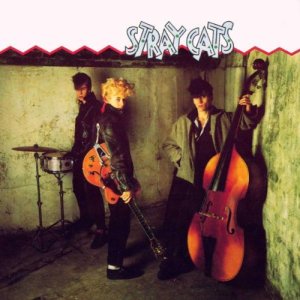
Released at the same time as new single, “Rock This Town” which achieved the same Top Ten status (No. 9) in early ’81 as “Runaway Boys” had in late 1980. The debut album here simply drops “The” from their title and is an all-out attack on the musical landscape the boys so artfully revel in and consequently deliver in a passionate force of nostalgia. The next single taken from the album – the anthemic blues of “Stray Cat Strut” – was released in April and just missed the Top Ten by one placing. The LP as a whole did them and Dave Edmunds (Co-Producer) proud hitting the No. 6 spot on the UK’s album chart. Sidenote: When ‘The Stray Cats’ resurgence began in the US in 1982 the previous UK singles of “Rock This Town” and “Stray Cat Strut” both went Top 10 and Top 5 respectively across Billboard’s Pop and Mainstream charts. “Stray Cats” is one of my most favourite Rockabilly/Rock ‘n’ Roll albums of all-time. It epitomises a great homage to 50’s culture and its influential elements. It is also a ‘modern voice’ for political controversies: “Storm The Embassy” – the first Rock ‘n’ Roll song I’ve heard intermingled with then-current ‘new wave’ undertones equipped with an expletive to boot! But everything what the Stray Cats wanted to be is displayed on this album: throbbing and frenetic double-bass patterns, catchy guitar hooks and breathtaking solos, squealin’ and howlin’ cries of protest and gratification taken to another level with some fine drum fills and rhythms. It’s all just too good as a whole to really single out individually, but the hit song, “Stray Cat Strut” is a finely-tuned masterclass in modern-day blues perfection…

Stray Cats

‘GONNA BALL’ (1981):
The follow-up to their debut album released later that same year is a great-sounding quality masterpiece which should be appreciated and enjoyed without the listener casting any unfair discrepancies. It’s maybe not as raw and frenetically paced as the previous classic, but the Rockabilly still rings true and the blues still cuts through every groove! However, if the boys appear more commercially polished and refined then it was probably a conscious effort to diversify with another genre or two in order to further expand the potentially unlimited appeal of their combined talents: Lee gets his own solo, Brian delivers an instrumental and a half while Slim Jim keeps on bangin’ away! It’s the next level up and it’s oh so good once you reach up there to embrace its ‘heights’! Very underestimated, therefore very underrated, consequently a lost classic – ‘Gonna Ball’ sings its own ‘song’ and just look at that beautiful cover! Not committing to highlight any individual performances simply because its all good and each track deserves its own acclaimed merit in adding to the whole concept of the production. You’re about to discover something that you knew they were capable of all along, and something that the British regret not embracing at the time due to the ambiguity of in-house ‘hearsay’. It should really be classed as the Stray Cats’ ‘Holy Grail’…

Stray Cats - Gonna Ball

‘RANT N’ RAVE WITH THE STRAY CATS’ (1983):
The band’s third album release in the UK but it’s the first one released on a global scale. Unfortunately, it was looking to be the end of the band’s immediate rockabilly reign in Britain and parts of Europe as the album did not fare very well at all probably due to an influx of ‘New Wave’ and novelty pop that was dominating the music scene at the time. However, ‘The Stray Cats’ had already begun to experience a career resurgence on their home patch in the States with a newfound chart reign. “Rant n’ Rave” soared into the Top 20 on Billboard, and whilst not hitting the Top 5 heights of the previous ‘Built For Speed’, the album’s 1st single “(She’s) Sexy + 17” managed to parallel the placing in the Billboard singles charts. The guitar solos with their pulsating rockabilly textures once again evoke images of 1950’s rock ‘n ‘roll movies and diners with a recurring high school drop-out or ‘I hate school’ theme. A ‘Harley’ sound effect starts up the ‘engine’ which segues into “Rebels Rule” – a nod to Eddie Cochran’s narrative in his ‘Summertime Blues’. A further use of the Sax and keyboards are prominent throughout the album even though a rawness returns to the groove. A radio tuner sound effect briefly ignites the Rockabilly boogie of “Something’s Wrong With My Radio”. “I Won’t Stand in Your Way”: the beautiful ‘soft one’ of the album and once again Brian delivers with the type of rock ‘n’ roll ballad that he excels in writing and arranging. Complete with doo-wops, and do-wahs, and a wonderful blues guitar that will tighten your heart strings. A Masterpiece of production with some great pickin’ solos overall on this wax…

Rant n Rave with The Stray Cats

‘THE RACE IS ON’ (1981):
During his producing tenure with the Stray Cats, Dave Edmunds stepped up to the microphone as lead vocalist with the trio backing him for his interpretation of the George Jones 60’s classic, ‘The Race Is On’. It was featured on Dave’s album, “Twangin'” and became a Top 40 hit single in the UK charts. Here’s a special interview with the guys who discuss their collaboration with Dave followed by the promo video of ‘The Race Is On’:

‘CROSS THAT BRIDGE’ (1981):
As an extra bonus in this article we’ve included a rare performance of the ultra rare ‘Cross That Bridge’ – the single ‘B’ side to ‘You Don’t Believe Me’. The song was actually included on the Japanese release of the ‘Gonna Ball’ album:

‘LUCKY CHARM (Ooh Wee Suzy)’ (1983):
As another extra bonus in this article we’ve included here the ‘B’ side to ‘Look At That Cadillac’ single taken from the ‘Rant N’ Rave…’ album. The song was also included on the Japanese version of the album:

‘DRINK THAT BOTTLE DOWN’ (1981) – ‘Rockpalast’:
Another version of the great ‘Drink That Bottle Down’. This is from the German television show called “Rockpalast”. Once again, it’s a fabulous ‘blues’ team effort from the band and it’s great to have access to such a rare and brilliant performance. Enjoy:

Click on the cat logo to check out
the theory behind the potential for a
3-album reissue with extra tracks:

stray-cats-logo

If you’re looking to put the albums back on your shelf, then each 1 has been released as part of a special 3-CD set available at the links below:

Stray Cats 3 album classics

AMAZON UK
AMAZON US

Cosmic Dwellings do not own the copyright to the image/likeness/music/videos of The Stray Cats. The written content and style in this not-for-profit article is owned by this blog website. All Rights Reserved. Copyright © 2014 Cosmic Dwellings.
Posted in Album, CD, Concert, Live, Music | Tagged , , , , , , , , , , , , , , , , , , , , , , , , , , , , , , , , , , , , , , , , , | 1 Comment

PINK FLOYD new album: Teaser clip released showcases ‘ambient instrumental music’ – News – Music – The Independent

Pink Floyd have heightened fans’ excitement for their first new album in 20 years by releasing a short trailer online. 

The legendary rock band will release The Endless River on 10 November, a collection of “mainly ambient and instrumental music” based on early Nineties sessions for their Division Bell album.

The mysterious 30-second teaser clip shows a turning sphere of coloured geometric shapes that come together to form a scientific-looking logo. Haunting atmospheric music without vocals provides the soundtrack.

David Gilmour, Nick Mason and multi-instrumentalist Richard Wright all feature on the album, dedicated to Wright, who died in 2008 aged 65.

A statement published on the band’s website reads: “The Endless River is a tribute to Rick Wright, whose keyboards are at the heart of the Pink Floyd sound.

“It is a mainly instrumental album with one song, ‘Louder Than Words’ (with new lyrics by Polly Samson), arranged across four sides and produced by David Gilmour, Phil Manzanera, Youth and Andy Jackson.”

Original bassist Roger Waters, who left in 1985, does not feature on The Endless River.

Last year, drummer Mason said that he does not believe a full band reunion will ever happen, despite being “ready to go” if it did.

Gilmour’s wife Polly Samson and former live backing singer Durga McBroom-Hudson were the first to reveal the upcoming project when they discussed it on social media. Details were officially confirmed by Pink Floyd’s record label in July.

Endless River pic

The album artwork for The Endless River was shared earlier this week.

Egyptian digital artist Ahmed Emad Elgin, aged just 18, has designed the “enigmatic” sleeve, after Pink Floyd’s long-time iconic designer Storm Thorgerson died in 2013.


Pink Floyd new album: Teaser clip released showcases ‘ambient instrumental music’ – News – Music – The Independent.

Posted in Album, CD, Instrumental, Music | Tagged , , , , , , , , , , , , , | Leave a comment

“THE WHO HITS 50!” Will Include a new Song, “Be Lucky” :: Music :: News :: Paste

The Who 50 Hits

by Paste Magazine

The 50th anniversary is always a big one for legendary classic rock groups, a big, round number sure to involve some sort of special release. The Who are of course no exception—the band will release Who Hits 50!, a two-CD, “definitive hits collection” on Oct. 27. Of special interest to Who fans, however, is the fact that the recording will also include the first new Who song in eight years, an upbeat rocker called “Be Lucky.”

The song was recorded this summer at British Grove and Yellowfish Studios, and features Who live players Zak Starkey (drums) and Pino Palladino (bass), with the keyboards being provided by ex Style Council and Dexys sideman Mick Talbot. In keeping with their ongoing support for Teenage Cancer charities, the band have donated their royalties from the song to Teen Cancer America, a charity founded in 2011 by Roger Daltrey and Pete Townshend.

If you’re curious exactly what tracks will appear on this “definitive” hits collection, the full list is below. “Be Lucky” will be included as the final track on the second disc.

Disc 1

“Zoot Suit” – (as The High Numbers), “I Can’t Explain”, “Anyway Anyhow Anywhere”, “My Generation”, “Substitute”, “The Kids Are Alright”,“I’m A Boy”, “Happy Jack”, “Boris The Spider”, “Pictures Of Lily”, “The Last Time”, “I Can See For Miles”, “Call Me Lightning”, “Dogs”, “Magic Bus”, “Pinball Wizard”, “I’m Free”, “The Seeker”, “Summertime Blues” (live), “See Me, Feel Me”, “Won’t Get Fooled Again” (single edit), “Let’s See Action”, “Bargain”, “Behind Blue Eyes”

Disc 2

“Baba O’ Riley”, “Join Together”, “Relay”, “5:15”, “Love Reign O’er Me”, “Postcard”, “Squeeze Box”, “Slip Kid”, “Who Are You”, “Trick Of The Light”, “You Better You Bet”, “Don’t Let The Coat”, “Athena”, “Eminence Front”, “It’s Hard”, “Real Good Looking Boy”, “It’s Not Enough”, “Be Lucky” (new song).

via The Who Hits 50! Will Include a new Song, “Be Lucky” :: Music :: News :: Paste.

Posted in Album, CD, Music, Rock | Tagged , , , , , , , , , , , , , , | Leave a comment

THE BEATLES Launch Mono Vinyl Box Set In Abbey Road Studios | MOJO

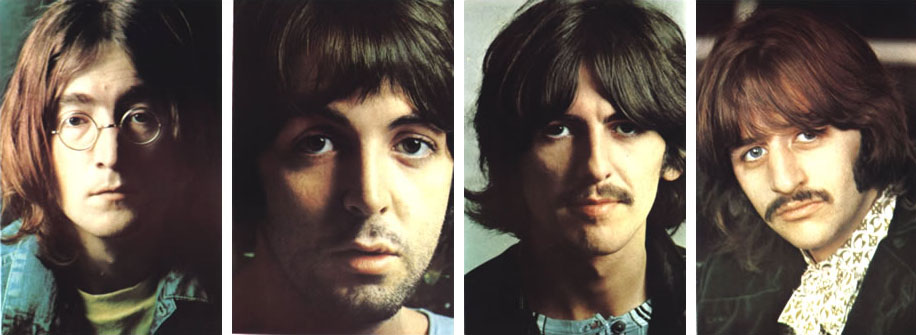
BeatlesWhiteAlbumPortraits

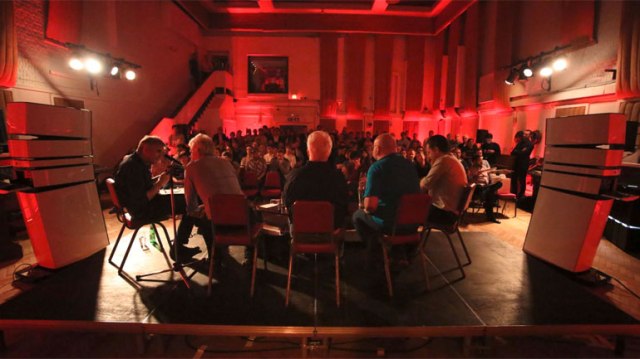
IT WAS A ONCE-IN-A-LIFETIME opportunity to hear The Beatles as they were intended in the hallowed space where they created their extraordinary music. To mark the launch of The Beatles In Mono vinyl remasters, Apple Records and MOJO hosted a special evening gathering at Abbey Road’s legendary Studio 2 to listen to tracks from the new versions and hear a panel of distinguished guests discuss how the group recorded and mixed their songs.

The doors of Studio 2, where The Beatles recorded the majority of their material, swung open at 5.30pm to welcome a specially invited audience of 100 or so Fabs fans, including several dozen MOJO readers selected from our recent online competition.

The event started with the master of ceremonies – storied music writer and broadcaster Mark Ellen – introducing the panel, comprising Beatles engineer Ken Scott; BBC radio producer and Beatle boffin Kevin Howlett; Sean Magee, the remastering and cutting engineer who worked on the new vinyls; and Toerag Studios producer and mono enthusiast Liam Watson.

After hearing the first selection from the new platters, You Can’t Do That – sounding punchy and powerful on £300,000 sound system (with NAIM amp, Focal speakers, KJ West One turntable, Ortofon cartridge) – discussion began about the merits of experiencing The Beatles in mono, Kevin Howlett pointing out that it was the primary format on which records were sold until 1968 and that The Beatles showed little interest in the stereo mixes of their albums until that time.

Panel-Abbey-Road

Abbey Road’s Studio 2 with esteemed panelists (from left) Mark Ellen, Kevin Howlett, Ken Scott, Sean Magee and Liam Watson. Photo by Simon Matthews.

Abbey Road’s Studio 2 with esteemed panelists (from left) Mark Ellen, Kevin Howlett, Ken Scott, Sean Magee and Liam Watson. Photo by Simon Matthews

Ken Scott revealed that the radically different stereo mix of White Album track Helter Skelter (it’s around a minute longer than the mono mix and ends with Ringo Starr’s cry of “I’ve got blisters on my figures!”) was inspired by Paul McCartney’s realisation that fans were becoming increasingly interested in comparing the two versions. “He told me, ‘If we make them different than we’ll sell twice as many records,’” laughed Scott.

He also explained that the jet engine sound effect on Back In The USSR is different on the two mixes because the tape used on the mono version became so worn out it began to wow and flutter.

After hearing Helter Skelter and the single version of Revolution at gloriously loud volume, Liam Watson selected the Ringo-sung Boys from The Beatles’ debut album Please Please Me to be cued up next. Howlett explained that the group didn’t bother to change the gender of the song’s title when they covered the (all-girls) Shirelles B-side.

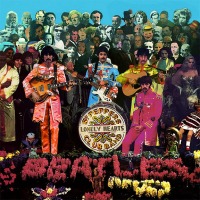
Then came the highlight of the evening: “It would be insane to be in this Sistine Chapel of a building and not hear A Day In The Life,” announced Mark Ellen, before the stirring piano chords and Lennon’s opening line, “I heard the news today, oh boy…” of the Sgt Pepper pocket symphony brought a hymnal, emotional ambience to the hushed room.

More fascinating talk followed, including Scott’s recollection of his first time in charge of a Beatles session, on a shelved version of Your Mother Should Know, when in the control room he “had to tell the biggest band in the world to shut the f**k up” because they were discussing something noisily while he was trying to concentrate.

studio-2-pic770

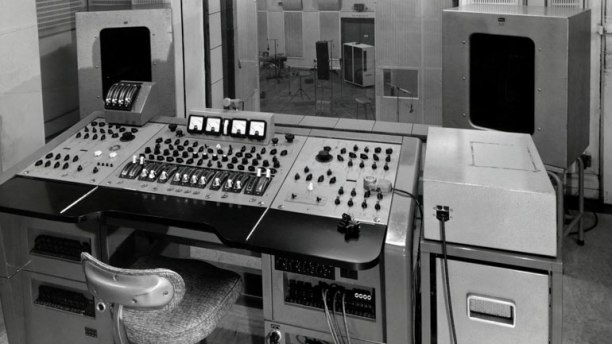
Abbey Road’s Studio 2 as it was then, after The Beatles had left the building…

The mono versions of I Am The Walrus and While My Guitar Gently Weeps spread more good cheer, as did Scott’s story that no one, including him, actually remembers Eric Clapton turning up to play the guitar part on the latter. After Love Me Do, a truly memorable evening drew to a close – the organisers graciously allowing the audience to photograph at their leisure the legendary room where The Beatles created their magic.

Read our feature and review of The Beatles In Mono box set in the latest issue of MOJO (251).

The Beatles In Mono Vinyl Box Set and its individual constituent albums are on sale from September 8, 2014.

via The Beatles Launch Mono Vinyl Box Set In Abbey Road Studios | MOJO.

Posted in Album, Blues, CD, Music, Rock | Tagged , , , , , , , , , , , , , , , , , | Leave a comment

THE BEATLES GET BACK TO MONO | The Beatles

THE BEATLES GET BACK TO MONO

THE BEATLES’ ORIGINAL MONO STUDIO ALBUMS REMASTERED AT ABBEY ROAD DIRECTLY FROM THE ANALOGUE MASTERS FOR VINYL RELEASE

180-Gram LPs Available September 8, Individually and in a Limited 14-LP Boxed Edition with Hardbound Book

London – June 12, 2014 – The Beatles in mono:  This is how most listeners first heard the group in the 1960s, when mono was the predominant audio format.  Up until 1968, each Beatles album was given a unique mono and stereo mix, but the group always regarded the mono as primary.  On September 8 (September 9 in North America), The Beatles’ nine U.K. albums, the American-compiled Magical Mystery Tour, and the Mono Masters collection of non-album tracks will be released in mono on 180-gram vinyl LPs with faithfully replicated artwork.  Newly mastered from the analogue master tapes, each album will be available both individually and within a lavish, limited 14-LP boxed edition, The Beatles In Mono, which also includes a 108-page hardbound book.

In an audiophile-minded undertaking, The Beatles’ acclaimed mono albums have been newly mastered for vinyl from quarter-inch master tapes at Abbey Road Studios by GRAMMY®-winning engineer Sean Magee and GRAMMY®-winning mastering supervisor Steve Berkowitz.  While The Beatles In Mono CD boxed set released in 2009 was created from digital remasters, for this new vinyl project, Magee and Berkowitz cut the records without using any digital technology.  Instead, they employed the same procedures used in the 1960s, guided by the original albums and by detailed transfer notes made by the original cutting engineers.

Working in the same room at Abbey Road where most of The Beatles’ albums were initially cut, the pair first dedicated weeks to concentrated listening, fastidiously comparing the master tapes with first pressings of the mono records made in the 1960s.  Using a rigorously tested Studer A80 machine to play back the precious tapes, the new vinyl was cut on a 1980s-era VMS80 lathe.

Manufactured for the world at Optimal Media in Germany, The Beatles’ albums are presented in their original glory, both sonically and in their packaging. The boxed collection’s exclusive 12-inch by 12-inch hardbound book features new essays and a detailed history of the mastering process by award-winning radio producer and author Kevin Howlett.  The book is illustrated with many rare studio photos of The Beatles, fascinating archive documents, and articles and advertisements sourced from 1960s publications.

The Beatles In Mono:  Available individually and collected in a limited 14-LP boxed edition, accompanied by an exclusive 108-page hardbound book.

Please Please Me
With The Beatles 
A Hard Day’s Night 
Beatles For Sale 
Help!
Rubber Soul
Revolver
Sgt. Pepper’s Lonely Hearts Club Band
Magical Mystery Tour
The Beatles (2-LP)
Mono Masters (3-LP)

ORDER THE BEATLES ON MONO AT THE OFFICIAL STORES OR AT YOUR LOCAL RETAILER

THE BEATLES GET BACK TO MONO

THE BEATLES GET BACK TO MONO

via THE BEATLES GET BACK TO MONO | The Beatles.

Posted in Album, Blues, Music, Pop, Rock | Tagged , , , , , , , , , , , , , , , , , | Leave a comment

BUDDY HOLLY’S guitar back in Bradford | Classic Pop Icons

A guitar that Buddy Holly played during his UK tour in 1958 has made a return to the Bradford Odeon (formerly Gaumont), before being taken to the Buddy Holly Center in Buddy’s hometown of Lubbock, Texas.

buddy_holly_guitar_bradford_odeon

Photo credit: Buddy Holly official Facebook page

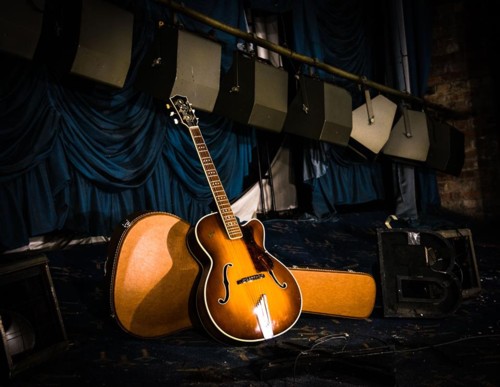
 The Hofner President guitar was used by Buddy mainly on the tour bus for rehearsing and songwriting, and was given to the tour’s compere, a young Dec O’Connor, at the end of the tour. Des sold the guitar to the Buddy Holly Educational Foundation (BHEF) in 2010.

Buddy Holly and the Crickets (Joe B. Mauldin on bass and Jerry Allison on drums) played two shows at the Bradford Gaumont on March 9th, 1958. Also on the bill were Ronnie Keene and his Orchestra, the Tanner Sisters, Garry Miller and Des O’Connor. The show was a hit with the young rock ‘n’ roll fans, but met with less enthusiasm by Peter Holdsworth of the Telegraph & Argus, who complained:

“Unless they had previously read the lyrics or heard them sung by an articulate vocalist, I would have defied anyone in the audience to tell me what 70 per cent of the words were which issued from the lips of this foot-stamping, knee-falling musician. Where on earth is show business heading?”

I don’t think Mr Holdsworth really understood the new music. Heaven knows what he would have made of Jerry Lee Lewis if Jerry’s planned June 1958 gig at the venue hadn’t been cancelled.

buddy_holly_uk_tour_programme

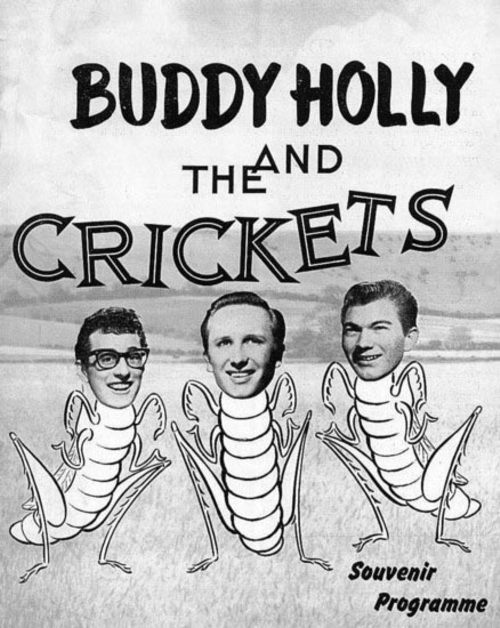
Souvenir programme for the Bradford show

Among the other stars who played the Bradford Gaumont over the years were Eddie Cochran, Gene Vincent, Cliff Richard, Tom Jones, The Beatles and The Rolling Stones.

Website: www.classicpopicons.com

Posted in Concert, Instrument, Live, Music, Rock | Tagged , , , , , , , , , , , , , , | Leave a comment

“FESTIVAL EXPRESS” – Review | worldfilm.about.com

Rail…Riots…Rock ‘n’ Roll –
And, Janis is on ‘it’…

Review by worldfilm.about.com

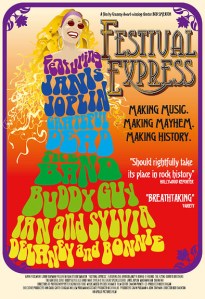
festival-express-webposterIn the Summer of 1970, a number of rock bands, including the Grateful Dead, Janis Joplin, the Band, and Buddy Guy, played a series of festivals across Canada. Instead of flying the musicians from show to show, the promoter rented a train that traveled from Toronto to Winniepeg. A film crew captured the historic ride, but the negative disappeared–until now, when director Bob Smeaton reassembled the lost footage and added contemporary interviews to complete the film. Unlike festivals like Woodstock, where musicians would arrive, play, and leave, the train ride offered them a unique opportunity to hang, jam, and party with each other. Crammed onboard the train for long overnight trips, rolling jam sessions evolved in every car. “The train was for many things,” the Dead’s Mickey Hart winks, “but not for sleeping.”

The footage in “Festival Express” bears witness to this: as the countryside chugs by outside, Garcia gets into a deep blues jam with Buddy Guy, somebody spikes the whiskey with acid, and in one of the film’s most fascinating scenes, a way-stoned Rick Danko sings with Janis while Jerry and Bob pick along. When the rolling party runs out of booze, the train pulls over in front of a liquor store in Saskatoon. Financially, the festival tour turned into a failure when protesters in Toronto, outraged by the high price of admission (fourteen dollars!), started to riot. Policemen got hurt, and in a natural display of their Sixties generosity, the Grateful Dead played in the park to calm the scene–for free.

But the film’s many privileged glimpses at some of rock history’s legendary icons are only a side show, and Smeaton never loses sight of the music. Mixed by Eddie Kramer (famous for his work with Jimi, Zeppelin, and Santana), “Festival Express” showcases the incindiary guitar work of Buddy Guy, the antics of Sha Na Na, and the country-rock of the Flying Burrito Brothers. The Band does “The Weight” and “I Shall Be Released,” and the Dead play “Don’t Ease Me In” and a beautiful afternoon “New Speedway Boogie.” The highlight of the film are two absolutely stunning performances by Janis Joplin: “Cry Baby” and “Tell Mama” are tight, intense, and so emotionally raw that it seems hardly surprising Joplin died only two months later.

Exuberant, outrageous, and seriously smokin’, “Festival Express” is an essential document of the heady days when, as Bob Weir puts it, “rock ‘n roll mattered.” It’s impossible to imagine a comparable trip–and movie — with today’s crop of ClearChannel performers. Garcia and Joplin appear as obsessively dedicated musicians who are as serious about their craft as they are about having a good time. The decision to retain the look of the original 16mm stock and to use montage and split screen effects truthful to the period turn “Festival Express” into a lost gem, an instant classic. The only complaint is the film’s brevity: I would gladly have sat through more than 90 minutes of this outstanding material.

Festival Express

FESTIVAL EXPRESS – OFFICIAL WEBSITE

Posted in Blues, Documentary, Film, Live, Music, Rock | Tagged , , , , , , , , , , , , , , , , , , , , , , , , , , , , , , , , , , , , , , , , | Leave a comment