T.REX’s First Eight Albums Being Assembled in Vinyl and CD Box Sets ~ VVN Music

T. Rex’ First Eight Albums Being Assembled in Vinyl and CD Box Sets ~ VVN Music.

http://music-news.com/

T Rex Vinyl Collection

With the current comeback of the vinyl format, fans of T.Rex are in for a treat this Christmas withe Demon Music release on November 3rd, 2014 of “T.Rex: The Vinyl Collection”, an 8-album box set featuring ‘T.Rex’, ‘Electric Warrior’, ‘The Slider’, ‘Tanx’, ‘Zinc Alloy & The Hidden Riders of Tomorrow’, ‘Bolan’s Zip Gun’, ‘Futuristic Dragon’ and ‘Dandy In The Underworld’. Whether intended to replace scratched and worn original vinyl editions, to frame some of the most iconic, respected record sleeves for display, or simply to be reacquainted with the work of one of rock’s best-loved, most enduring legends, the T.Rex Box Set Collection is both stylish and affordable.

With 2 vinyl versions of T.Rex: The Vinyl Collection, a collector’s limited edition of 500 coloured vinyl sets which will be available through D2C, Demon’s online outlet (http://www.myplaydirect.com/t-rex) and a black vinyl set available through Amazon, this release is a must for Bolan fans. With an suggested retail price of £129.99 ($212.00) for the vinyl sets this collection of titles will also make the perfect Christmas gift choice. A ten-CD set,T. Rex: The Albums Collection will be released on the same date.

Marc Bolan was the first superstar of the Seventies. Part hippie mystic, part vintage Hollywood flash, he was a new kind of pop phenomenon, inspiring hysteria and hero-worship of a kind not seen since Beatlemania a decade earlier. At the height of his fame, between 1971 and 1973, his records sold in their millions – his book of poetry was a best-seller, too – and he was the most visible and controversial figure in pop. Amongst T. Rex’s biggest hits, which included 4 No. 1s, were Ride A White Swan, Hot Love, Get It On, Jeepster, Telegram Sam, Metal Guru, Children Of The Revolution, Solid Gold Easy Action and 20th Century Boy.

Unusually for music that’s now 40 years old, the work of Marc Bolan and T. Rex, much of it recorded with legendary record producer Tony Visconti, kicks and sparkles just as much in the 21st century. In recent years, several of his best-known songs have been used in high-profile advertising campaigns.

While best known for his extraordinary run of singles (11 Top 10 hits between 1970 and 1977) Bolan also released some of the best-selling and today most critically rated albums of the era. The Slider, released at his peak in July 1972, was quintessential T. Rex and the prelude to Born To Boogie, the full-length feature film Bolan documentary shot by ex-Beatle Ringo Starr. Its predecessor, Electric Warrior, is rated more highly still. A raw, mesmerizing blend of primal rock’n’roll, hard rock attack, blissed-out balladry, topped with some of the most memorable lyrics ever to appear on record, Warrior is now regarded as one of a small handful of truly definitive rock albums.

The eight original titles featured in the box are as follows:

  • T. Rex (1971) – With Ride A White Swan the surprise hit of winter 1970, T.Rex was the transition album that saw Bolan successfully reach out beyond his old hippie audience (and ditch the group’s previous mouthful of a name, Tyrannosaurus Rex). Friend and photographer Pete Sanders took the stunning cover photo of Marc and percussionist sidekick Mickey Finn, both of whom wore make-up for the shoot to accentuate their androgynous beauty.
  • Electric Warrior (1971) – Not just the flagship T. Rex album, but a chart-topping rock classic that has grown in stature ever since its release, thanks to the mix of inspired song writing and raw, seemingly effortless performances. Features iconic, John Kosh-designed artwork based on a photograph by Kieron ‘Spud’ Murphy, and includes the hits Get It On and Jeepster.
  • The Slider (1972) – Released in summer ’72, when T. Rextasy/Bolanmania was evolving into the generation-defining Glam Rock movement, The Slider captures the definitive T. Rex sound at its commercial peak. Bolan insisted that Ringo Starr took the cover shot (in fact it was Tony Visconti); the songs contained within, including hits Telegram Sam and Metal Guru, have since proved no less timeless.
  • Tanx (1973) – Eager not to be trapped by his fame and spectacularly successful hit formula, Bolan introduced a range of new instruments including the Mellotron into the T. Rex sound for this rich, satisfying set. Includes Born To Boogie, a theme tune of sorts, and a sleeve that features Bolan suggestively astride a toy tank.
  • Zinc Alloy & The Hidden Riders Of Tomorrow (1974) – An extraordinary provocation album at the time, with Bolan taking an impassioned leap into the gutsy sound of US soul, Zinc Alloy is the surprise package in the T. Rex catalog and remains ripe for reappraisal. Includes Teenage Dream, Bolan’s extraordinary, self-willed farewell to pop stardom, and a striking cover photo that reflects his conversion to what he called “space-age superfunk”.
  • Bolan’s Zip-Gun (1975) – In exile both from Britain and his pop past, Bolan hung loose in Los Angeles, and freed himself up in the studio. The results weren’t greatly appreciated at the time, when soft-rock prevailed, but the years have been kind to this, the ‘The great lost Marc Bolan album’ thanks in part to Bolan’s own direct, contemporary sounding production. Includes Light Of Love and the lost classic Think Zinc.
  • Futuristic Dragon (1976) – The title was reminiscent of Bolan’s days as a late 60s underground cult hero, and so did the artwork, illustrated by David Bowie’s long-time pal George Underwood, who was responsible for the fantastical painting that appeared on the first Tyrannosaurus Rex cover back in 1968. Includes two of Bolan’s best-loved hits, New York City and Dreamy Lady.
  • Dandy In The Underworld (1977) – Back in London and energized by the punk rock sound then sweeping the capital, Bolan put together a new-look T. Rex for what would be his swansong release. Featuring a gutsier, R&B based sound, though with Bolan’s trademark lyricism still much in evidence, as well as the infectious revivalism of his 1976 hit, I Love To BoogieDandy returned Marc Bolan and T. Rex to the news columns. This re-emergence was cruelly curtailed when pop’s most distinctive, and in so many ways influential Superstar of the Seventies was killed in a car crash in Barnes, London, on September 16, 1977.
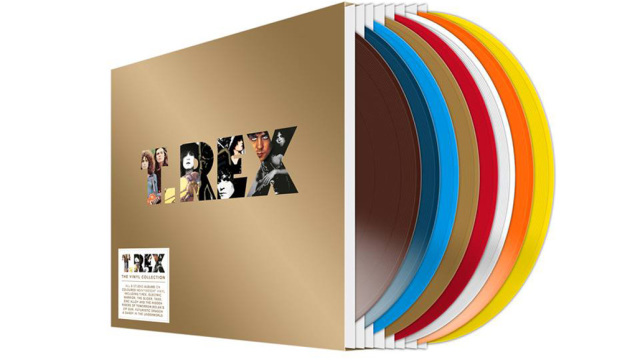
 T.Rex Coloured Vinyl

Posted in Album, Blues, CD, Music, Rock | Tagged , , , , , , , , , , , , , , , , , , , | Leave a comment

THE BOLAN CHILD…

Illustration: Norbert Cieslik

It’s ironic that BBC Radio 1 shares the same birthday with the late Marc Bolan: September 30th. However, Marc is the elder national institution by 20 years (b.1947), and he was just 20 years old in 1967 when he began to make appearances on the newly-born broadcasting frequency during his time with the bands of ‘John’s Children’ and ‘Tyrannosaurus Rex’, and then years later with the commercial rock and pop phenomenon known as ‘T.Rex’. Further irony played a part during this early period too when the BBC actually banned the ‘John’s Children’ song, ‘Desdemona’ (written by Bolan) due to a controversial theme underscored by a lyric. Nevertheless, the ‘natural born poet’ had plenty more words to choose from within his own ‘dictionary’ of the ‘creative self’ and certainly wasn’t deterred from continuing with his artform. Afterall, he had already released several 45rpm singles to his own name credit leading up to this period, albeit none of them successfully-acclaimed. However, by the dawn of his 21st birthday in 1968 things had changed considerably for Marc Bolan – both musically and poetically, and in his own dreamy landscape of melodious verse, the two themes were ‘soulmates’ channeled through one distinctive voice…

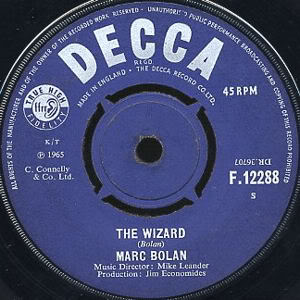
The Wizard

“The Wizard”: 1st Single

The former Mark Feld is a very difficult ‘enigma’ to decipher and label. Not that anybody should actually feel the need to ‘label’ him, but the ambiguity of this enigma alone serves as his genius. The fantasy mix of Tolkien and Lewis combined to stir his own myths which also led him eventually to his own best-selling “Warlock of Love”. The knowledge and inspiration of the early rockabilly of Presley, Cochran and Berry that poured forth onto his own musically instinctive palette along with the songwriting and folk-inspired anthems of Bob Dylan, set the premise for something he forever craved. And in the early years after a slight stumble with a makeshift ‘electric’ band (post-‘John’s Children’) he found the channel of reinvention through which to convey his new voice of acoustic whimsical ‘hippy theatre’: the psychedelic landscape of London’s underground music scene – the sights and sounds of a continuous avantgarde development – pre-‘Woodstock’ and with an indirect cultural nexus but very much of the same musically-inspired generation …

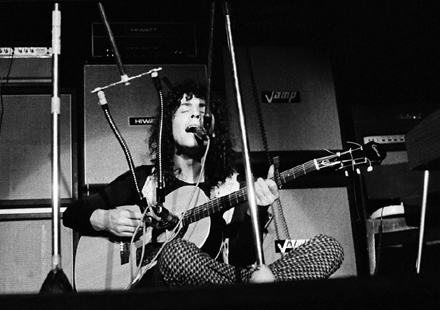
bolantyranno_23_4401

Photo: Jorgen Angel Photography

Marc Bolan became the epitome of a youth that held a desire to contribute his own verse of text to the world in both musical and poetical terms, which happened as a consequence of ‘learning a living’ as a sharp-looking London ‘Mod’ about town; he eventually preferred to be ‘earning a living’ by tapping into the creative forces and influences that lay dormant for a while during his early teen period. Furthermore, his mind became a ‘sponge’ of society’s events and surroundings, and through its culture he reinvented himself, and his music, several times through the years. He discovered that life didn’t necessarily have any barriers and if any were to be met, then they were defined as mere obstacles he could walk around.

The aim of this Bolan Birthday tribute is to present a selection of great musical highlights and perspectives – some quite rare, and ones which will offer an insight into the outcomes of his musical arsenal. Marc was a creative genius who is adored by generations and moreso the one he ushered in during the ‘Glam Rock’ era of the early 1970’s: “T.Rextasy”! Personally, I always felt the use of the ‘glam’ phrase somewhat undermined the significance of Marc’s musical achievements in the rock genre; the media had declared the phrase as the musical image of the times – albeit one that Marc’s name would be forever connected in a pioneering-sense of association. Nevertheless, he was technically paying homage to the ‘big bang’ of music from an earlier time – it was, afterall, still Rock ‘n’ Roll as we know it! However, before we arrive at the “glam” seventies, lets experience a taste of the earlier psychedelic-acoustic Marc Bolan along with percussionist Steve Peregrin Took – the duo known as ‘Tyrannosaurus Rex’ with their very first album in 1968: “My people were fair and had sky in their hair…But now they’re content to wear stars on their brows”

TRex_1st_album_cover

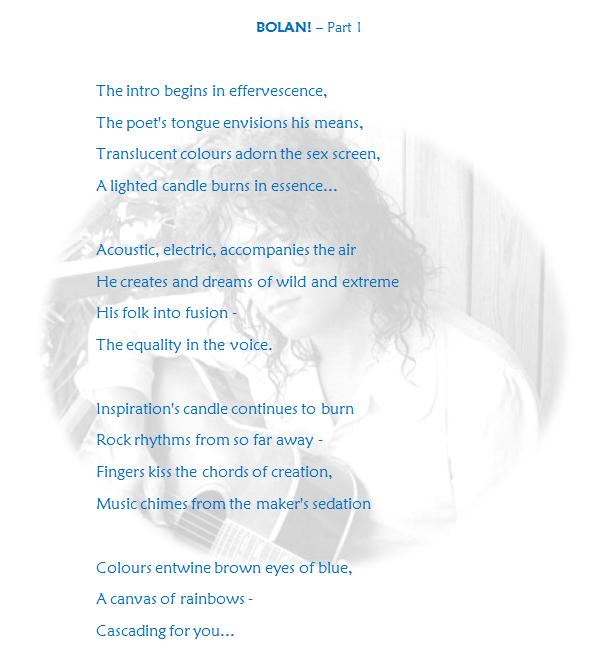
The following is a poem which was influenced by the idea of Marc undertaking the creative process of one of his early psychedelic-folk compositions which was about to experience a radical change in movement. The formatting of the text represents a whimsical free-flowing style in lighter contrast to the style of the ‘heavier’ electric compositions of T.Rex. This is “BOLAN!”Part I:

Bolan! I

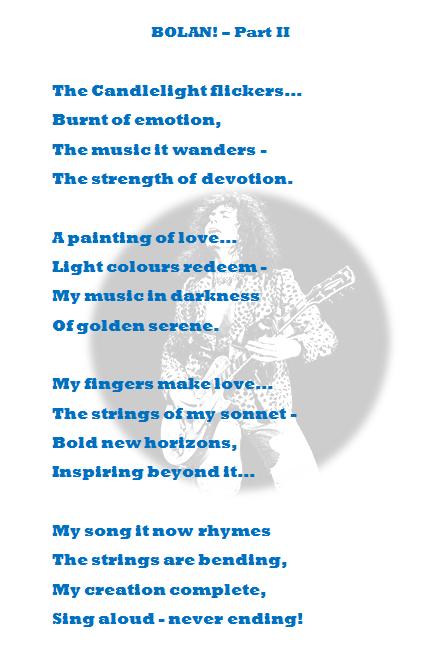
Here is the follow-up which depicts the beginning of ‘T.Rextasy’ and the switch to electric for Marc and the band’s attack on the commercial pop market. This poem was crafted as a deliberate rhyme moreso than the first poem in order to reflect the more commercial appeal of T.Rex’s major transitional period. The text is formatted in bold to represent the prominent outcome of this switch in style. This is “BOLAN!”Part II:

Bolan! II

The name change from ‘Tyrannosaurus Rex’ to the simplified ‘T.Rex’ in 1970 became the first part of the transition into electric rock ‘n’ roll. Having introduced new percussionist Mickey Finn into the creative realm on the “A Beard of Stars” album, Marc was on the look out to expand the duo format of the band and consequently the overall sound. This was soon achieved and the transition was complete: the hit singles were soon in abundance beginning with ‘Ride A White Swan’ and classic critically-acclaimed albums such as ‘T.Rex’ (1970), ‘Electric Warrior’ (1971) and ‘The Slider’ (1972) reinforced Marc’s musical vision and development which aided the god-like appraisal he was being given, not only by his fans, but by the more regal figures in Rock ‘n’ Roll music. One such figure was Ringo Starr, and this such praise culminated in the birth of “Born To Boogie”

‘TELEGRAM SAM’
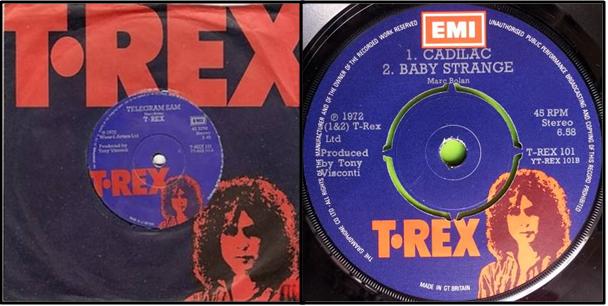
Just prior to filming “Born To Boogie” in early 1972, T.Rex achieved their 3rd UK No.1 in the form of “Telegram Sam” – a very popular favourite amongst the ‘Bolanmania’ elite with its lyrical illustrations of pop culture elements and expressions including a reference to Bolan’s very own ‘corkscrew hair’. It’s a great song, but considerably underrated, with its infusion of Beatles-like string bursts combined with an emphasis on an uptempo blues texture. The hit single was the first to be released on Marc’s new ‘T.Rex Wax Co.’ label and maintained his policy of giving the fans and record-buying public value for their money with the inclusion of 2 tracks on the ‘B’ side of the single. In this case it was then-unreleased song, ‘Cadilac’ (spelt with one ‘l’ in the middle) and ‘Baby Strange’ from ‘The Slider’ LP…

Telegram Sam T-Rex“Top of the Pops” performance, 1971:

‘JEEPSTER’: EVOLUTION
The following features two individual videos of two startling live performances of the same song. Each one holds its own merit and are both spectacular interpretations. The earliest one is when T.Rex staged two sell-out concerts at the Empire Pool, Wembley on March 18th, 1972 and both were filmed for the “Born To Boogie” documentary. Presented here is “Jeepster” from the evening show and also included in the concert film. It’s a fine performance combining Marc’s masterful guitar skills and showmanship as he stokes a hot fire of adulation, lick after lick, and his expressions tell a story in their own right…

The following live version of ‘Jeepster’ is really something to behold! This is over a year later in the US, and considering that he never thoroughly established himself across the Atlantic, the audience are totally in awe of the delivery of his performance. What we see here is a further expansion of T.Rex which also includes Gloria Jones – Marc’s future partner and the mother of his son, Rolan. This is the height of the ‘Glam’ era and Marc is excessively kitted-out, but somehow the ‘spectacle’ all appears to shine appropriately; his guitar work is ‘bleeding’ with added panache and skillful control – it’s a wonderful performance which truly deserves the ovation:

‘LIFE’S A GAS’: DUET
“It was like being jealous of your best girlfriend,” Cilla Black later recalled. “He had everything – the hair, the eyes, the makeup, the glam. The worrying thing was you did kind of fancy him – being this feminine-looking guy. But then you had the music as well, both things together, and the combination was unbelievable.” (Source: The Guardian)
In January, 1973 T.Rex appeared on the BBC’s “Cilla Black show” and after performing the song “Mad Donna” from the ‘Tanx’ album, Marc picked up his acoustic guitar for a seated duet with his host(ess). It’s another iconic moment in the life and career of Marc Bolan and it’s also one of those rare unlikely collaborations that shouldn’t really have worked, but it’s quite obvious that both stars have a mutual respect for each other. It’s both fantastic and fascinating especially when you put into context Cilla’s statement above with her expressions on screen. Enjoy this stripped-down and inspired reading of ‘Life’s A Gas’ – the ‘B’ side of ‘Jeepster’…

‘BUICK MACKANE’: LIVE
Originally from ‘The Slider’ album but performed live here on the German TV show ‘Musikladen’. It’s a heavy delivery ignited with sensual overtones to the max. A performance that is driven by Marc’s command of the throbbing rhythm, thrashing lead and intricate solos; the band’s prowess as a tight unit is undeniable. This is great viewing – a totally awe-inspiring execution…

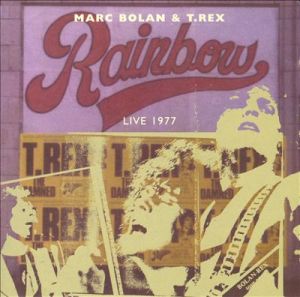
After pulling through the traumas of further excesses encountered whilst trying to push T.Rex to the wider audience regions of America,  including the break-up of his marriage, the mid-70’s became an intense period of reflection and reevaluation for Marc Bolan. Considerable changes began to take place during the creation of several soul-inspired pieces of music with partner, Gloria Jones in collaborative support. Then, with the birth of their son in September, 1975 his outlook was further transformed and his creative inspiration began to flourish once again in view of the pop market and a newfound family lifestyle. The live appearances took on a more back to basics structure but maintaining an inventiveness for new sounds and direction. It was through this outlook and approach that Marc began to champion the expressive sound of the Punk rock movement – or ‘New Wave’ sound as he mainly referred to it. In 1977 he was back touring and in keeping with current musical trends of the time he ensured that ‘The Damned’ were in support. Here for your listening pleasure is a live concert showcase at the Rainbow Theatre, London in March, ’77 with some interesting extras…

Live 1977

“MARC”: FOREVER
The makings of a successful career resurgence was definitely in place by the summer of ’77 when Marc was presented with the opportunity to host his very own television series named after him. The series would include the then-current lineup of T.Rex along with female dance troupe, ‘Heart-Throb’ as regular guests.  By this time Marc was referred to as the ‘Godfather of Punk’ and his guests included several of the bands who were part of the Punk ‘revolution’: The Jam, Generation X, and The Boomtown Rats. The show also gave T.Rex the chance to specially re-record some of their greatest hits of which Marc’s performances revelled in the ‘campiness’ of the moment which made for a very entertaining 25-minute format. The final episode also featured him reunited with his old musical buddy, David Bowie“MARC” was broadcast in a midweek afternoon teatime slot and is very sadly the final piece of the musical legacy of Marc Bolan. The 4th episode of the 6-episode series was broadcast just two days before his tragic death occurred near Barnes Common in the early morning of September 16th, 1977. The following is the finale of that 4th episode and a live vocal rendering of the title song to his then-recent hit album, “Dandy In The Underworld”…RIP Marc…

"MARC" TV Show - 1977

“MARC” TV Show – 1977

Cosmic Dwellings do not own the copyright to the image/likeness/music/videos of Marc Bolan and T.Rex. The written content and style in this not-for-profit article is owned by this blog website. All Rights Reserved. Copyright © 2014 Cosmic Dwellings.
Posted in Album, Concert, Documentary, Folk, Music, Pop, Rock, Television | Tagged , , , , , , , , , , , , , , , , , , , , , , , , , , , , , , , , , , , , , , | Leave a comment

JIMI HENDRIX: ‘The Cry Of Love’ & ‘Rainbow Bridge’ To Be Reissued On CD & LP September 16 | The Official Jimi Hendrix Site

Experience Hendrix and Legacy Recordings To Reissue The Cry Of Love and Rainbow Bridge – Two Classic Out-Of-Print Jimi Hendrix Albums Out This Month on CD and LP

The Cry Of Love

This month Experience Hendrix, LLC, in conjunction with Legacy Recordings, the catalog division of Sony Music Entertainment, will reissue two critically revered Jimi Hendrix albums on CD, vinyl and digital. The Cry Of Love and Rainbow Bridge, his first and second posthumous studio releases respectively, will be reintroduced with original album art and track orders. Both albums have been remastered by Bernie Grundman from the original analog masters. The Cry Of Love was last issued on CD in 1992, while Rainbow Bridge has never before seen an official CD release. The Cry Of Love may be pre-ordered on CD and LP; Rainbow Bridge may be pre-ordered on CD and LP – at Amazon. CDs of both titles will be out September 16 as will the vinyl version of The Cry of Love. Vinyl release of Rainbow Bridge follows on October 14.

Originally released in 1971, The Cry Of Love was compiled and mixed by Hendrix’s longtime engineer Eddie Kramer and Experience drummer Mitch Mitchell. The bulk of these tracks were recorded between December 1969 and the summer of 1970 at Electric Lady Studios in New York, and were intended to be part of an ambitious double LP tentatively titled First Rays of the New Rising Sun. Commercially, The Cry Of Love was a huge success, reaching #3 in the U.S. and #2 in the UK, and spawned favorites such as “Angel,” “Freedom,” and “Ezy Ryder.” While Mitch Mitchell and bassist Billy Cox comprised the rhythm section on the lion’s share of the tracks, Buddy Miles played drums on “Ezy Ryder” and Noel Redding played bass on “My Friend” (recorded in 1968, before his departure from the Jimi Hendrix Experience). The Cry Of Love also includes the participation of notable guest musicians including Steve Winwood, Chris Wood and Buzzy Linhart among others. VH1 recently declared The Cry Of Love the greatest posthumous classic rock record of all time.

Rainbow Bridge was also compiled and mixed by Eddie Kramer and Mitch Mitchell in 1971, with the help of Electric Lady Studios engineer John Jansen. Most of the tracks were recorded in 1969 and 1970, during the same sessions that spawned The Cry Of Love. Rainbow Bridge is often misconstrued as being an entirely live album, being that the film of the same name features excerpts of a live Jimi Hendrix performance in Maui. However, Hendrix had no role in the creation of the rambling, unfocused 1971 film which was directed by Chuck Wein. The film was not a Hendrix project in any way but instead an independent vision of his manager Michael Jeffery. After Hendrix’s death in September 1970, Jeffery scrapped Hendrix’s original vision of a double studio album titled First Rays Of The New Rising Sun and called for Kramer, Mitchell and Jansen to compile two posthumous albums—including one that would serve as a soundtrack for the Rainbow Bridge film.

Mitchell, Kramer and Jansen drew upon Hendrix’s rich trove of studio recordings that the guitarist had been developing at Electric Lady Studios. Songs such as “Dolly Dagger” and “Room Full Of Mirrors” were bright examples of Hendrix’s new creative direction. Other standouts on the album included a studio rendition of “Star Spangled Banner” as well as the majestic “Hey Baby (New Rising Sun).” The one live track on the album, an extraordinary rendition of Hendrix’s original blues composition “Hear My Train A Comin’” is taken from a performance at Berkeley Community Theatre in May of 1970, and not in the film at all. Buddy Miles and Noel Redding both appear on one track each, and the Ronettes provide backing vocals on “Earth Blues.”

Beginning in the late 1990s, the tracks on The Cry Of Love and Rainbow Bridge were reassembled into various compilations, including First Rays of the New Rising Sun, South Saturn Delta, and The Jimi Hendrix Experience box set. Now, fans of all ages will be able to enjoy songs such as “Straight Ahead,” “Nightbird Flying,” and “Hey Baby (New Rising Sun)” as they were experienced when they first became available 43 years ago.

JimiHendrix.com

LegacyRecordings.com

The Cry Of Love track list:

1) Freedom
2) Drifting
3) Ezy Ryder
4) Night Bird Flying
5) My Friend
6) Straight Ahead
7) Astro Man
8) Angel
9) In From the Storm
10) Belly Button Window

Rainbow Bridge track list:

1) Dolly Dagger
2) Earth Blues
3) Pali Gap
4) Room Full of Mirrors
5) Star Spangled Banner (studio version)
6) Look Over Yonder
7) Hear My Train A Comin’ (live)
8) Hey Baby (New Rising Sun)

via ‘The Cry Of Love’ & ‘Rainbow Bridge’ To Be Reissued On CD & LP September 16 | The Official Jimi Hendrix Site.

Posted in Album, Blues, CD, Live, mp3, Music, Rock | Tagged , , , , , , , , , , , , , , , , , , , , , , , , , , , , , , | Leave a comment

Led Zeppelin: Breaking down Communication – Part I…

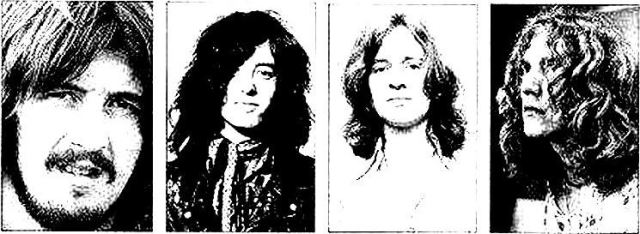
LedZep bw

Retrospectively, we always appear to relate certain shades of sixties pop culture to a type of ‘monochrome’ reflection. Having knowledge of the development of photographic and televisual images during this period can only slightly began to mix a little colour into these ‘colourless saturations’ of musings. It’s all relative to the time period and there’s a certainty you’ll hear somebody mention how things appeared to have had a gray or ‘dirty’ look about them back then; maybe the somebody stating this will be a ‘product’ of that time too! It would seem that the farther back we ‘travel’ through history the more ‘monochromatic’ the encompassing world will appear. No matter, Music has always remained one of the more colourful mediums of communication, especially in terms of conveying an artist’s expressions of life through sound – leaving a potentially resounding impression on the ‘landscape’ of the listening individual.

In late summer 1968, whilst billed as the ‘New Yardbirds’, the members of Led Zeppelin embarked upon a Scandinavian tour – their first concerts played live together as a rock ensemble – which became the blueprint for the subsequent recording sessions of their very first groundbreaking album, “Led Zeppelin” (‘Led Zep I’) released in January and March of 1969 in the US and UK, respectively. During this early defining period of influential musicianship, their powerful Blues interpretations communicated ‘louder’ than any developing media-driven resource available at that time. Zeppelin’s European television appearances conveyed a dark and relatively sinister presentation: the ‘monochrome’ universe was still prominent. Alternatively, their appearances may have seemed less-threatening in the natural colourful setting of the studio, and would have assisted the understanding of the narrative of their impassioned performances. Led Zeppelin’s aura depicted a landscape of colourful overtones and instrumentation; the true picture ambiguously disguised through a medium of black and white images. An early Japanese promo for their debut album, also featuring a lip-synched video performance to one of its tracks, combines the innocent humour of advertising with an element of the dark imagery of the time (surprisingly, Mr. Plant is hardly featured in the zoom of the camera’s path here – did they think his performance was too ‘sinister’ for their promo??):

Led Zeppelin’s ‘palette’ was screaming to be seen, and understood. When one contemplates the band’s early touring schedule before this period it is easy to conclude that a series of UK college and university campus one-nighters, along with a small Christmas bash at the Fishmongers Arms in London, were the more regular fixtures on their gig map. However, a mammoth transition occurred on Boxing Day of 1968 when the band embarked upon a fixture of another kind: supporting ‘Vanilla Fudge’ at the Auditorium Arena in Denver, Colorado. And so began further communication with their audiences as Led Zeppelin’s ‘palette’ began to apply its textures to a much larger canvas. In February, 1969 after the success of the American tour and the subsequent release of their debut album, the band continued to tour both on their home soil and in Europe, and a special documentary entitled “Supershow” was filmed just outside London which allowed the natural colours of a filmed Led Zeppelin ‘bleed’ forth onto the screen of “Dazed and Confused”. The darker undertones of their previously broadcast productions were silenced and the natural passions of their in-performance camaraderie became a visionary truth:

When one attempts to think of those late sixties productions that communicate the psychedelic colours of the day, such musical diversity springs to mind in the form of The Beatles’ animated “Yellow Submarine” and the Monterey Pop Festival. Ironically, the former here were reverting to a more subtle approach in the design of their album covers at the time of Led Zeppelin being the ‘New Yardbirds’: the desolate plainness of the “White Album” (aka ‘The Beatles’) and its accompanying black and white photographs which adorned its insides was in stark contrast to their previous “Sgt. Pepper” and “Magical Mystery Tour” landmarks. Irony also staked a claim in the subsequent release of Led Zeppelin’s debut: the darkly-themed illustration by George Hardie which depicts the Hindenburg – shattered and ‘seeping’ in gloriously doomed black and white with only minimal tones reflecting possibilities of other symbolic themes – both phallic and artistic. It’s only when the product herein is unzipped and unleashed that the full range of anthemic ‘colours’ pour their expressive tones onto the listening experience. For the art of communication is a powerful concept all its own – black and white, and colour!

*Don’t miss “Breaking down Communication” – Part II…but, for the moment enjoy the classic “Led Zeppelin I”:

LED ZEPPELIN I

[spotify https://play.spotify.com/album/3ycjBixZf7S3WpC5WZhhUK]

Cosmic Dwellings do not own the copyright to the image/likeness/music/videos of Led Zeppelin. The written content and style in this not-for-profit article is owned by this blog website. All Rights Reserved. Copyright © 2014 Cosmic Dwellings.


Posted in Album, Blues, Concert, Live, Music, Rock, Television | Tagged , , , , , , , , , , , , , , , , , , , , , , , , , , , , , , , , , , , , , , , , , , , , , , , , , , , , , , , , , , , | Leave a comment

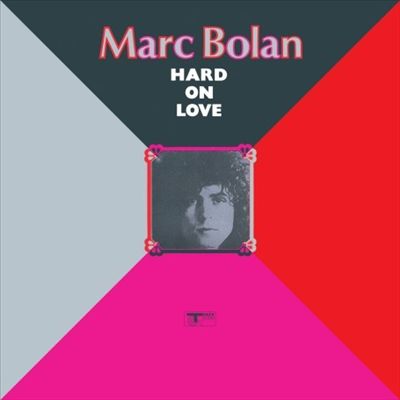
MARC BOLAN – Hard On Love | Songs, Reviews, Credits, Awards | AllMusic

Marc Bolan -

‘Cosmic Dwellings’ welcomes the chance to share alternative reviews of some of the ‘retro’ rock that we ‘crave’, therefore we thought we’d give a little promo to this review of a Marc Bolan rarity…

“Hard On Love” – Marc Bolan

Review by Dave Thompson  [-]

This is the original, and impossibly rare, version of the album eventually released as Beginning Of Doves in 1974, and in a multitude of guises since that time. Initially scheduled to appear in 1972, at the height of T. Rex-tacy, it was slapped down with an immediate injunction by Marc Bolan himself, for fear of flooding the market with archive product — six other albums were reissued that year, all recycling his pre-fame material . By 1974, even his current output had slowed to a trickle. Comprising 20 demos recorded by Bolan on either side of his time with John’s Children in 1967, it is a fascinating document. The earliest material, 11 tracks produced by then-manager Simon Napier Bell during 1966, is frequently described as being heavily indebted to Donovan. In fact, the only real parallel is that both were solo singer/guitarists, operating in what might loosely be termed the folk idiom, with a dodgy taste in headwear, and one could as accurately compare it to early Motown, on the basis that “Black and White Incident” lifts its opening bars from “You Really Got a Hold on Me.” Even this early, Bolan‘s approach was utterly unique, a full-bodied but erratically quavering voice spinning odd legends and anecdotes out over the sparsest acoustic backing. Donovan would never have dared sound so bizarre.

The addition of Steve Peregrin Took‘s bongos and harmonies in early 1968 did much to flesh out that early sound, without ever disturbing its innate peculiarity. Nine further tracks represent Tyrannosaurus Rex‘s first-ever demos, including raw prototypes for a handful which the duo would revisit later in their career — the Chuck Berry-ish “Mustang Ford,” the sleek “Cat Black,” and, incredibly, “One Inch Rock,” a song better associated with the defiantly electric rendition included on 1970’s T. Rex album. Several of the tracks here were also utilized by the Bolan-era John’s Children, and it is indeed entertaining to compare Bolan‘s original vision of “Hippy Gumbo,” “Sara Crazy Child,” and “Hot Rod Momma” with the high-energy electric soup which was that band’s specialty. John’s Children, meanwhile, make one uncredited appearance on the album, with a 50-second fragment of “Sally Was an Angel,” grafted onto the end of an almost equally brief Tyrannosaurus Rex demo of the same song. (Add Elvis Presley to the role call of formative influences — “Sally”‘s chorus is a direct steal from “Heartbreak Hotel.”) ThoughHard On Love remains much sought after in its original form, the subsequent proliferation of the material has done a great deal to devalue its contents. Aside from innumerable reissues for the songs themselves, much of the album was also subjected to a 1981 revamp, Napier Bell recruiting sundry well-meaning sessionmen to add modern accompaniment to Bolan‘s original performances for theYou Scare Me To Death album. Don’t let such misadventures put you off. Whatever title the album is available under, the formative years of a rock legend have rarely been so clearly documented. Or turned out to be so enjoyable.

Posted in Album, CD, mp3, Music | Tagged , , , , , , , , , , , , , , , , , | Leave a comment

‘JUNGLE’ GOLD

From EP Boulevard

The sub-heading of ‘Recorded Live’ could be a considerable misnomer on the original cover of Elvis Aaron Presley’s final complete studio release during his lifetime: From Elvis Presley Boulevard, Memphis, Tennessee. Therefore, one could be excused for deeming the album in itself a live concert recording from one of his eleven tours of 1976. However, the said ‘live’ culprit can easily be forgiven when taking into consideration that this is how the leading artists and bands of the day used to record in the studio: sung live with a live backing band. Remember those days? (tongue placed firmly in cheek here)…they were the times of pure creative unison between musicians and recording engineers alike – sheer magic in most cases. Elvis was the forerunning artist from the rock ‘n’ roll era to spearhead such a painstaking process of craftsmanship within the setting of a recording studio – take after take, night after night until “the sound on the tape matched the sound in his head”…or the sound in his heart as the case may be when referring to the songs on the ‘E.P. Boulevard’ album. When released Stateside in May, 1976 the album received a somewhat lukewarm reception from both critics and some of the fanbase; under the circumstances, on first listen, that could be quite understandable taking into consideration the diverse mix of songs that highlighted the previous RCA release: Elvis Today (1975). It has taken a number of years stretching out into decades that finally the Elvis fandom and some critics alike have taken ‘From Elvis Presley Boulevard’ to their hearts of constructive criticism and therefore can now appreciate the album for what it is. For, it is the final complete studio LP of the greatest entertainer the world has ever known between 1954 and the present day…

Upon first listen of the album back in 1983 via a cassette copy, I absolutely adored it – it was beautiful. I subsequently bought the vinyl version and then the eventual CD – it still is beautiful. I can confirm that it probably is Elvis’ most underrated album of work ever released both during and after his lifetime. There are ten songs on the original album (5 well-known and 5 not so well-known) and the majority of which are ballad-orientated. Apparently, legend has it that the songs chosen to record very much expressed the way he was feeling at the time, therefore most of the output has been categorized under the headings of ‘despairing’, ‘lonely’, ‘lost’ and downright ‘sad’. The production had also been criticized for being “overblown” with unneccessary string and horn arrangements along with the obvious “mediocre” material tag. However, the primary positive issue of the recording has stood the test of time: the voice. Elvis sounds immaculate, and his voice is not only a masterclass of golden ‘operatic’ eloquence, but is a personal statement of how songs such as these should be enacted within the confines of a recording studio; the ‘studio’ being one known as the “Jungle Room” or quite simply labelled, “The Den” – his favourite place to hang out in his beloved Graceland mansion which, incidentally, is where this underrated mini-masterpiece was recorded, hence the title of the album.  The recording sessions took place between February 2 – 7, 1976 and featured the majority of musicians from Elvis’ live concert band including lead guitarist, James Burton and backing vocalists J.D. Sumner & The Stamps Quartet along with Myrna Smith and soprano, Kathy Westmoreland.

And so, to the songs in question: the album commences with Elvis’ dramatically rousing version of Timi Yuro’s ‘Hurt’ – written by J. Craine and A. Jacobs. It is a powerhouse performance becoming a staple of Elvis’ live shows at the time, and the only song of which he frequently asked his audience if they’d like to hear it again: “YYeeessss!!!” was the reply and the master would comply. A couple of concert versions of the song sees him singing it lying on his back in front of 20,000 fans – such is the unique take on vocal and charismatic power. ‘Never Again’ is an exquisite ballad written by Billy Edd-Wheeler and Jerry Chestnut with the backing vocalists beautifully complimenting Elvis’ mastery of the lead phrasing. ‘Blue Eyes Crying In The Rain’ is an uptempo ballad with gospel undertones that highly benefit the production. The song was written by Fred Rose, and is referred to as the final song that Elvis performed, accompanying himself at the piano, on the morning of that fateful August 16, 1977. Some more great vocal accompaniment in this album version that assists The King through to the final fading notes. ‘Danny Boy’ is the most historical song of the collection and is most definitely one of the highlights. The song was written by Frederic E. Weatherly and it was known that the song had been a favourite of EP’s since before rock ‘n’ roll fame and fortune struck its chord.  Elvis’ version is haunting and it is also a classic; thankfully the horns and strings were not even contemplated for this one, as the sparse arrangement of piano and minimal backing works to great affect. ‘The Last Farewell’ was a popular song of the time and a big hit for singer, Roger Whittaker co-written with R.A. Webster. Apparently, Elvis liked the lyrics and its descriptive references to England of another time that solidified its position as one of the first songs on the list to be recorded. This is a nice performance by Elvis and the band and was later released as a UK single in 1984. ‘For The Heart’ written by Dennis Linde – the songwriter who had previously handed Elvis a big ‘hunk’ of success with the 1972 platter, ‘Burning Love’ – is a very good honky-tonk arrangement of a countrified classic. Elvis’ backing vocalists shine with almost gospel-like accompaniment which adds to this songs depiction as the album’s only ‘foot-tapper’. ‘Bitter They Are, Harder They Fall’  is a power ballad in its own right and one that is well at home on the album. The song was written by Larry Gatlin, and Elvis’ phrasing hits the spot and his vocal reaches the heights beautifully to become an underrated favourite of many a fan. ‘Solitaire’ is another classic of its time which was co-written by Neil Sedaka and Justin Cody. Sedaka himself, along with other famous names, hitting the charts with his rendition. Elvis keeps it solemn but raises the energy for the chorus in a song that depicts a man’s losing stakes in the gamble of love. ‘Love Coming Down’ is another Jerry Chestnut penned ballad which has Elvis’ vocal almost breaking on some of the phrasing with a fabulous bridge which begins: ‘Can’t you see how everything I’ve learned would just be wasted – if you leave me…’  – a favourite of the album. ‘I’ll Never Fall In Love Again’ is the closing song, and what a finale! Co-written by Jimmy Currie and Lonnie Donegan, the song went on to become a big hit for Elvis’ showbiz pal, Tom Jones and consequently became a staple of Jones’ stage show.  Although Elvis’ version is somewhat shorter than the well-known hit, it most certainly doesn’t lack anything in terms of vocality and power as EP thoroughly pours himself into the performance – the high notes that he reaches for at the end are astonishing and the song rounds off the album in a big crescendo-like manner, leaving one breathless for more!

              “What goes around, comes around…” – one of the more eerie clichés of our time. In the year 2000 a special CD was released on the ‘Follow That Dream’ (FTD) Elvis collector’s label, entitled ‘Elvis Presley. The Jungle Room Sessions.’ The title in itself was revelatory, but expectations were considerably watered-down when perusing the song titles on the cover, especially for those fans and critics who hadn’t found any reason to praise the original ‘E.P. Boulevard’ album back in 1976. However, the CD played host to a number of unreleased out-takes, alternate takes and undubbed takes throughout the process of Elvis recording the songs in the ‘Jungle Room’ at Graceland and with that knowledge the bar was slightly raised in the ‘expectations’ department. From the very first takes of ‘Bitter They Are, Harder They Fall’ – the first song on the CD – it would appear that the sessions, which formed the basis of Elvis’ final recordings, were indeed a revelation to match the title of the CD! Oh, how wrong a percentage of the generation had previously been! Here are the songs as Elvis recorded them – before all the so-called “overblown” arrangements had been ‘crafted’ for the final product back in ’76; furthermore, the knowledge has now be reinforced that Elvis was in the best of form, and spirits, throughout the whole 6-day process. Yes, certainly the songs were some of the most downbeat that he had ever recorded, but maybe it was the case that he had wanted to record most of these songs for a while at that time, and the time was then ripe enough. ‘The Jungle Room Sessions’ is one of the most posthumously-celebrated musical projects attached to the legend of Elvis Presley; furthermore, it strips away the ‘myths’ that have dogged these  sessions for so long and presents us with the truth behind those sessions: the voice.

When I first read the inscribed message on the back cover of the original ‘E.P. Boulevard’ album I felt a tinge of sadness due to the fact that not many people took to the words: “Dear Friends, Thank You for your loyalty. I sincerely hope that you like my new RCA Album – my best wishes, Elvis Presley.” Nowadays, I no longer feel that same sadness when reading that beloved message.  I have often considered ‘From Elvis Presley Boulevard’ as a kind of concept album and how it would fare in the hands of some of today’s most talented opera singers and the type of arrangements  that would be crafted to make it work as a form of stage tribute. This, I find to be an interesting concept, and maybe one day further justice will be given to this underrated mini-masterpiece with its revelatory counterpart: ‘The Jungle Room Sessions’. Now, here’s my very special tribute to the original album with each verse of the following poem depicting – in album running order – an aspect of each song:

The song about Hurt
Because of the lies
The breaking of a heart
That wasn’t disguised.

To hope it was never,
So, Never Again
A question of where
And when – to the end.

The twilight had broken
The blue eyes did cry
The parting of a kiss
The touch did not lie.

The snow-covered valleys
So clean and white
The sound of the pipes
In the distance of light.

A mist that did rise
From the dales afar
The battle of guns
The sound of war.

The dreams about you
Tick like a clock
A weather so dull
It rolled to the rock.

Tears that were bitter
Falling like rain
I ran to the platform
Still falling, in pain.

Gambling with the cards
The dice cutting loose
The loneliness of one
The head in the noose.

Romance in the air
The learning began
The descent from above
The plea of the man.

Casting of the feelings
Pride followed suit
Broken hearts, crying
The love now, so mute.

Jungle Room vinyl

Update:
‘From Elvis Presley Boulevard, Memphis, Tennessee’ has since been released in the ‘classic albums’ 2-CD format by the FTD Label and features lots more great revelatory outtakes and alternate versions from the sessions:

FTD_FromElvisPresleyBoulevardMemphisTennessee

 PLUS:
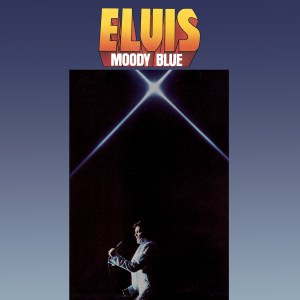
‘Moody Blue’ now available in FTD’s ‘classic album’ 2-CD format! Originally released just before Elvis’ passing, the album featured the additional songs recorded at Graceland in February and October, 1976. The upgraded release by the FTD Label also features further great outtakes and alternate versions of some of the songs also featured on ‘The Jungle Room Sessions’. As an extra added bonus in this article, here’s the original album:

Cosmic Dwellings do not own the copyright to the image/likeness/music/videos of Elvis Presley. The written content and style in this not-for-profit article is owned by this blog website. All Rights Reserved. Copyright © 2012, 2014 Cosmic Dwellings.
Posted in Album, CD, mp3, Music | Tagged , , , , , , , , , , , , , , , , , , , , , , , , , , | Leave a comment