Really cool little find on the ‘WordPress’ network! It was posted earlier this year to commemorate the anniversary of Elvis’ 80th Birthday, and it’s an homage to his ‘Big D Jamboree’ appearance on September 3rd, 1955…
Today is Elvis Presley’s birthday — a perfect time to present a nostalgic look back at the early days of his fame, before he broke nationally and when it was still pretty easy to get a ticket to see him. Here are a few tidbits from his appearance on Sept. 3, 1955 at the legendary Big D Jamboree (held at the legendary Sportatorium). Happy Birthday, E!
Big D Jamboree program, Sept. 3, 1955 (click for larger image)
*
That night’s schedule — E’s all over it (click for larger image)
*
Typos like this wouldn’t be a problem soon (click for larger image)
***
Photo of Elvis and the two clippings from the Big D Jamboree program to that night’s show, Sept. 3, 1955.
Cool ad from The Dallas Morning News, Sept. 3, 1955.
A Conversation With Greil Marcus: ‘Mystery Train’ Keeps Rolling at 40. “These artists just keep reverberating,” says Marcus of figures that populate landmark 1975 work
“That’s part of what rock & roll is … hearing something once that will haunt you the rest of your life,” says Greil Marcus. Adoc-photos/Corbis
Ever since Greil Marcus published Mystery Train in 1975, it’s been hailed as the greatest book ever written about rock & roll. The world was a different place 40 years ago — Elvis Presley was alive; Robert Johnson was just another forgotten dead bluesman; there were barely any rock tomes for competition. But Mystery Train is still the best and funniest book ever written about America or its music. Marcus takes a few key artists — Presley, Johnson, Sly Stone, Randy Newman, the Band — as a map to the country, making the whole story sound like a crazed adventure anyone can join by reading.
The idea, as Marcus wrote in 1975: “To deal with rock & roll not as youth culture, or counterculture, but simply as American culture.” The book takes in history, politics, philosophy, literature, cars, movies, sex, death, dread, connecting folk heroes from Superfly to Abe Lincoln to Little Richard to Moby Dick. Mystery Train is like reading Queequeg’s tattoos — the whole country’s secrets seem to be in here somewhere.
Generation of fans have gotten their minds blown by it, as I did at a tender age — it was like a “mystery train to your brain,” as Sonic Youth sang. Over the years, one of the strangest things is how much music it’s inspired, from Nick Cave to Wilco to Bruce Springsteen — the Clash echoed it all over their classic London Calling. And since the saga never ends — Elvis, Robert Johnson and crew keep showing up all over our culture — the book keeps growing, as Marcus updates the ever-expanding “Notes and Discographies” section to catch up with the story so far. (The 2015 anniversary edition is definitive, though hardcore fans also prize the 1997 and 1982 versions).
Marcus’ work has kept that same restless spirit — his “Treasure Island” discography in the anthology Stranded; the Lester Bangs collection he edited, Psychotic Reactions and Carburetor Dung; the 2014 History of Rock & Roll in Ten Songs; the wildly ambitious 1989 Lipstick Traces, using the Sex Pistols as the departure point for “A Secret History of the 20th Century.” Not to mention his 1970 Rolling Stone roasting of Bob Dylan’s Self-Portrait, with the immortal opening line: “What is this shit?”
Marcus, 70, has two superb new books this fall — Three Songs, Three Singers, Three Nations, a study of three folk performances, and an anthology of his “Real Life Rock” columns since 1986. In person he’s a virtuoso argument-starter, whether going off about True Detective Season 2 (he loved it) or obscene Elvis bootlegs. He recently spent a Friday afternoon in NYC discussing the long strange story of Mystery Train, including Dylan, Lana Del Rey, the Clash, Barack Obama singing Robert Johnson, Pauline Kael, the car radio and why he loved the Great Gatsby movie.
After 40 years, every edition of Mystery Train is still a brand-new book. I’m just so lucky that every seven or eight years, they’ve always let me do a new edition, and I get to play around with the back section, which originally was around 25 pages, and now it’s longer than the actual text of the book.
There’s always more to all these stories. There’s always more. Robert Johnson — his presence in the culture gets bigger and bigger, as he becomes more of a focus of fascination. Not just because Barack Obama is there in the White House singing “Sweet Home Chicago” — and that’s a big part of it; it’s wonderful — but there’s also things like the brewery that made Hellhound on My Ale.
Then there was this thing on Alabama Public Radio where some folklorists tracked down the daughter of Robert Johnson’s legendary guitar teacher in Mississippi. He was always referred to in the literature as “Ike Zinnerman” or “Zinnman,” all these different names. But they’re interviewing his daughter, and she knows what the family name is. It’s “Zimmerman.” I think if Bob Dylan knew that, he would have connected himself to Robert Johnson’s teacher — “that’s my third cousin on my father’s side” or something.
Ike Zimmerman was a preacher in Compton, California. He was considered the devil because he had an ability to teach people to play guitar. But she stressed that mainly the people he taught were women. All those kinds of stories, they make it fun to keep up. These artists just keep reverberating. Whenever I finish a new edition, I start a new file.
The stories go on, even for careers that ended soon after the book came out. Elvis, Sly Stone and the Band were still active artists when you wrote it. The second edition came out after Elvis died, and I was asked to put the whole Elvis chapter in the past tense, and I said no. The reason was that Elvis’ presence was so powerful, I felt he’s always in the present tense. When you listen to anything that says Elvis Presley to you, whoever you are, whether it’s “Long Black Limousine” or “Jailhouse Rock” or “Milkcow Blues Boogie” or “Any Day Now” — I could go on forever — but the physical presence is so strong that death walks away. He’s right there. Every one of his greatest performances is in a way unfinished, because the emotion in them is so rich and so strained, in the best way, trying so hard to say what you mean emotionally, though you can never say everything, so as you listen, you add to that, you’re engaged, you’re taking part in the dialogue. So that will always be the present tense.
“When you listen to anything that says Elvis Presley to you … the physical presence is so strong that death walks away.” —Greil Marcus
That’s why I expand the “Notes and Discographies” sections but not the original chapters. Those chapters are complete in themselves, for better or worse. They are a moment in time. They can’t be extended. They’re what I could say at the time, to honor these people and give them their due. Everything else is a footnote.
When I read it as a teenager in the Eighties, so much of the music was unfindable. I’d copy out lists of rare songs I hoped I’d get to hear some day. Now most of it’s accessible to anyone, a click away. Even the stuff that you shouldn’t be able to find. There’s an obscene Elvis outtake of “Stranger in My Hometown” from 1970. Elvis is singing and suddenly it becomes completely autobiographical, and he explodes — he says “I’m gonna start driving my motherfucking truck again. All them cocksuckers stopped being friendly, but you can’t keep a hard prick down.” He just goes off, yet it’s completely musical, not just breaking down and screaming. You can dig that up on YouTube now.
When I wrote that book, to hear all that rockabilly, I had to go to record collectors’ apartments and sit there for hours and hours while they played me obscure stuff I would never be able to hear in any other way, people I’d never heard of, Alvin Wayne and stuff like that. That’s how I had to learn. I had to go to people who had the records. There weren’t any reissue albums. There wasn’t any YouTube. Now I can be taking a walk with somebody and telling them about Geeshie Wiley’s “Last Kind Words Blues” and describing how special it is, then pull my phone out of my pocket and play them the song while we’re walking. And I’ve done that. I think it’s great. Now you can say to somebody, “You’ve got to hear this. So go hear it.” And they can.
I don’t believe that because you had to search so hard and long for records, they meant so much more. I don’t really think that’s true. Lester Bangs once said, and I quoted it in the introduction to his book, “My most memorable childhood fantasy was to have a mansion with catacombs underneath containing, alphabetized in endless winding dimly-lit musty rows, every album ever released.” That was his dream. And well, that dream has been realized, and we all live in that wonderful castle.
Yet it’s weird how there’s always more of it. Mystery Train made me spend years looking for the bootleg Dylan song “She’s Your Lover Now.” But he’s just released all these versions he’s had sitting in the vault. Everything I might talk about in Mystery Train is now something everybody can hear. But there’s still the music that isn’t heard by anyone. That’s still kept with the formula for Coca-Cola and the original seven-hour version of Greed — all that stuff is in the same vault. There’s an infinity more of that stuff. It makes you realize how little the bootleggers got.
I remember going to see Garth Hudson up in Bearsville when I was writing my book about the Basement Tapes. About a hundred tracks had come out on bootlegs, and he said, “They’ve got it all.” Whether Garth was forgetful or not telling the truth, whatever, it wasn’t true — there were another 30-some performances no one had ever heard. I believed him: “Okay, this is all there is.” Nope. It’s never all there is. There’s always more.
The Sixth Edition of ‘Mystery Train’ is out now.
The Stranded discography is like that — a map of rock & roll history with all these crazy old records that make you wonder “Can this possibly be real?” Like Joyce Harris’ “No Way Out.” I first heard about that song from Mike Goodwin, a writing partner of mine. He was a DJ at his college station, and this was a record that was just in the studio. He put it on, was overwhelmed, taped it, and years later played it for me. We were stunned and we argued for years — who is
this? Where is it from? I guessed New Orleans. It turns out Joyce Harris was from New Orleans, but she recorded it in Austin.
For years I searched for a record I heard once. It was New Year’s Eve; I was probably 17. Friends of mine and I had driven up to San Francisco for New Years Eve in North Beach. We had a great time; we’re driving back down the Peninsula to Menlo Park on Skyline, which is this two-lane mountain highway. It’s completely lonely; there aren’t any lights — it’s two or three in the morning. And this voice comes on the radio and seems to be coming from far away. “When I’m thirsty, some sparkling wine will do real fine, indeed. But right now, baby, it’s some of your loving I need.” It was so spooky. I had no idea what this was. I wrote about it in my first book, Rock and Roll Will Stand, in 1969 — I talked about it as something I heard once, would never hear again, would never know what it was. That’s part of what rock & roll is, part of what the radio is — hearing something once that will haunt you the rest of your life. A couple years after the book was published, somebody sent me the 45 so I could hear it.
Who was it? It was Johnny Nash. And it was produced by Phil Spector. In 1960 or 1961.
As a critic, you’ve always been militantly anti-nostalgia. When I’m struck by things, I want to hear more and find out more. I remember when Lana Del Rey was on SNL, this supposedly disastrous performance. She’s doing this pretentious torch song, and I thought, I don’t know what she’s doing, but it’s really moving me. Then I open up newspapers and I see how people are so disgusted by it, and I’m thinking, huh? Because I didn’t hear that. I listened to the first album, which didn’t sting me the same way, but then there’s her great song “Young and Beautiful” in The Great Gatsby, another thing that’s supposed to be a travesty. A movie I just love. I’ve seen it three times. I saw it in Paris, I saw it on an airplane, I saw it back in Berkeley.
Seriously? I’d see it again any time. “Young and Beautiful” has the pathos that she’s capable of, the sense of woundedness that’s all over her new album, which I think is her best. She’s hated by all sorts of writers who will celebrate Taylor Swift or Justin Timberlake, but they’re offended that Lana Del Rey is not this person’s real name.
Is it surprising that a book like Mystery Train still resonates with people? My own kids, I’m not sure if they ever read the book or read all of it, but they both devoured Lipstick Traces. That book had a real impact on them, partly because it fucking dominated their childhood. For nine years, while they’re little, I’m writing this book, so it was a great oppression. But Lipstick Traces meant a lot to them. It’s still shocking to me to encounter people who stumble on Mystery Train and it stays with them. My ideal reader is somebody who trips over a copy of my book on the sidewalk, then they pick it up and read as they walk. Somebody who comes in knowing nothing, caring nothing, but responds to the story. That’s what seems to have happened. It’s a book that trusts the reader and doesn’t explain everything. It moves fast.
Was it written fast? No. It took two years. Two years of doing nothing else. Two years of miserable, horrible, self-loathing, “how can I kill myself so I can get out of finishing this book without having to shame myself before my publisher and say I can’t do it?” I was a complete hermit. I wrote most of the book in a room I rented in a house apart from the house we lived in. I would go there every day and sit and try to write. I decided I’ll never do that again — I’ll never write a book again where I don’t write other things, go to movies, breathe.
“I don’t believe that because you had to search so hard and long for records, they meant so much more.” —Greil Marcus
It doesn’t read like a book that was agonized over. I know. It reads like it’s by somebody full of enthusiasm. When it was finished, I thought, this is a pessimistic dark book, a book about the failure of the American idea and some few people who’ve kept that idea alive in their music. But I only know one or two people who ever read it that way. If you read the Band chapter, the Randy Newman or Sly Stone chapter, it’s all about failures and disillusion. It’s about people running into walls they can’t climb over or burrow under. Newman’s songs are about failure and defeat and not having enough imagination to live outside of narrow borders. So I thought it was a very dark book. Then there was a review that said I’m like a cheerleader, waving my pom-poms, “rock & roll will never die” and stuff like that. I thought, if I’m a cheerleader, I’m like Ishamel walking in a funeral procession. That’s really more how I felt about it.
You’re blunt when these artists make bad records. I learned that from [his friend the film critic] Pauline Kael. When you celebrate somebody’s bad work, on the terms that define their good work, how can that artist have anything but contempt for an audience that can’t tell the good from the bad? And doesn’t care? When she hated a Robert Altman movie, it was good news because you knew it meant his next movie would be great.
That’s life; that’s humanity. People fuck up and get bad ideas and lose their inspiration. That happens. All those years in the Seventies and Eighties when Bob Dylan felt dead inside and made records he thought were dishonest. But you keep working. You keep hoeing that row, planting the seeds year after year, to see if someday the radishes will come up. That takes a certain kind of fortitude.
Reading the book in the 1980s, one of the surprises was finding out where the Clash picked up so many of their ideas for London Calling. Even the title “Train in Vain.” Well, maybe. I know Mick Jones read Mystery Train — he told me. “Train in Vain” comes from [Robert Johnson’s] “Love in Vain,” which is all about a train. And it’s all about a break-up, something that isn’t gonna work.
There’s a typo that’s in every edition. It’s on p. 300 of the new one, where Randy Newman’s “Yellow Man” gets called “Yellow Moon.” Kind of a personal touch. And that’s always in there? Maybe I’ll be able to correct it. Or maybe I’ll leave it in just for fun.
Your new book explores so many of the same questions about music and cultural identity. The book is just coming out — Three Songs, Three Singers, Three Nations. It’s about three commonplace songs that seem authorless, as if they’re handed-down folk songs. One is “Ballad of Hollis Brown” by Bob Dylan, from 1964. “I Wish I Was a Mole in the Ground” by Bascom Lamar Lunsford, from 1928. And “Last Kind Words Blues” by Geeshie Wiley, from 1930, which now after John Jeremiah Sullivan’s New York Times article is more well known than ever.
It’s remarkable how a song like that can have a new life. Or have its first life in a lot of ways. That’s part of the wonderful drama of the story.
Primer is The A.V. Club’s ongoing series of beginners’ guides to pop culture’s most notable subjects: filmmakers, music styles, literary genres, and whatever else interests us—and hopefully you. This installment: Steve Martin, whose influence spans decades and mediums.
Steve Martin 101
Steve Martin has been a part of pop culture for so long, and a force in so many mediums, that the best way into his career is to start small. Consider the absolute minimum for entertainment: a performer onstage. Here, the performer speaks calmly— even dully—about an art exhibition touring the country. While his costume is ludicrous, an excessively clichéd take on ancient garb, his tone is so serious that it’s conceivable he actually is some kind of expert, perhaps one coerced into dressing up. When he announces a song about the exhibition, it’s almost plausible that the music will be respectful, even scholarly, toward Egyptian pharaoh King Tut. That is, until he begins to dance:
If you were to condense the genius of Steve Martin down to one moment, you could do worse than “King Tut,” which contains elements that appear throughout his career, cutting across his acting, writing, and stand-up. There’s the sudden juxtaposition between utter seriousness and total goofiness, the lack of self-awareness, and material that works both ironically and sincerely.
When Steve Martin started out in comedy, he found the standard structure of performers reciting monologues based on their life or persona frustrating, and he approached his dissatisfaction philosophically. “What bothered me about this formula,” he wrote in Born Standing Up, a memoir of his early career,
was the nature of the laugh it inspired, a vocal acknowledgment that a joke had been told, like automatic applause at the end of a song… What if there were no punch lines? What if there were no indicators? What if I created tension and never released it? What if I headed for a climax, but all I delivered was an anticlimax? What would the audience do with all that tension?
The result was an act founded on surrealism and non sequiturs, bits that zagged where every other comic had zigged. Martin counted on the audience knowing entertainment conventions; the joke was how those conventions were being subverted. “My act, having begun three years earlier as a conventional attempt to enter regular show business, was becoming a parody of comedy,” he wrote of his creative evolution. “I was an entertainer who was playing an entertainer, a not so good one.” That led to famous bits like this one with balloon animals:
Or this one, where he wows the crowd with “magic”:
His comedy was dubbed “anti-humor” for the way he toyed with traditional forms of jokes and entertainment; Martin would play similar games in his movies and theater work. It can be difficult to appreciate how revolutionary this was at the time, given how his sophisticated relationship toward entertainment has since taken hold in pop culture. While conceptual comedy has largely vanished from major stages, you can see Martin’s influence in almost every notable comedy of the past 30 years. If Louis CK doesn’t owe him a debt, Louie does.
Martin found kindred spirits at both The Muppet Show, which also sent up showbiz conventions, and at the then-new Saturday Night Live, which was experimenting with its own form of comedic deconstruction. His appearances there were the meeting of two comedy zeitgeists. In addition to “King Tut”—a single that would go on to sell more than a million copies—SNL was where a number of catchphrases and other creations would be popularized, most notably his half of the Festrunk brothers with Dan Aykroyd, two “wild and crazy guys” from Czechoslovakia:
Over the coming decades, Martin would go onto host SNL 15 times, a record second only to Alec Baldwin’s. He was the fastest inductee to the “Five Timers Club,” doing it in under two years.
In addition to his legendary concert performances, Martin released two Grammy-winning comedy albums—1977’s Let’s Get Smalland 1978’sA Wild And Crazy Guy. But because of the visual and physical elements to his stand-up, these—while still very funny—may not be the best representation of his act. That’s found in his first starring movie role in 1979, which used some of his signature stand-up gags and is one of the most influential film comedies of the modern era.
The Jerk flouts cinematic standards, chucking a complex story or characters in favor of gags that ranged from wildly lowbrow to incredibly intellectual. The title itself is a nod to Dostoyevsky’s The Idiot to tell the story of Navin R. Johnson, the “poor black child” Martin plays. He and director Carl Reiner threw in slapstick and wordplay, sexual farce and social satire, absurdist detours—cat juggling!—and bits that dip into surrealism. There’s an “anything goes” mentality that many have tried to replicate, only a few successfully:
After what’s essentially an anti-comedy, Martin made an anti-musical with 1981’s Pennies From Heaven. While the film flopped (though it has since been embraced as a forgotten classic), it may be the best example of why Martin has stayed relevant for decades. Just when he could have been typecast, he turned in a dark and nuanced performance in a work of deep and serious ambition. Pennies explores the space between reality and fantasy, using the structure of Depression-era musicals to illustrate how much was omitted by the glamour of Astaire and Rogers. It’s a film of unattained dreams and broken hearts, where music serves as an ineffective salve over the tragedy of life. It’s one of the most challenging musicals ever made, because it’s one of the few to really analyze what musicals mean, why we need them, and their limitations.
The film’s key inspiration is to have characters leap into beautifully choreographed dance sequences when things get rough. While the actors do their own hoofing, vocals are blatantly dubbed in, and the lip-syncing reinforces how these fantasies fail to solve anything. In the clip below, Martin has just been turned down for a loan:
Martin then returned to straight comedy, reuniting with Jerk director Carl Reiner for a pair of spoofs: Dead Men Don’t Wear Plaidand The Man With Two Brains. The first is an inspired take on 1940s private eye films, starring Martin as a too-cool gumshoe out to solve the mystery of a murdered cheesemaker. The underrated comedy offers an uproariously deadpan take on hard-boiled dialogue (“Carlotta was the kind of place where they spell trouble T-R-U-B-I-L, and if you try to correct them, they kill you”) and the genre’s most popular archetypes.
As a genre, parody neatly fit into Martin’s career-long tweaking of formula, but fun as those elements are, the film’s biggest pleasure are tactile. The black-and-white cinematography and studio style not only lovingly recreate the era in question (legendary costume designer Edith Head was hired for an extra touch of verisimilitude), but do it so well that the jokes are funnier. The 1982 film counts Humphrey Bogart, Ingrid Bergman, Cary Grant, Bette Davis, James Cagney, and Lana Turner as co-stars, through the film’s unique conceit of having Martin interact with footage from old movies. This works surprisingly well, though the laughs arise from how Martin’s dialogue is obviously stretched to meet his co-stars’ responses:
In Brains, a 1983 riff on mad-scientist films, Martin played his first “egotistical asshole,” as he would later describe a favorite type of role in Judd Apatow’s Sick In The Head. Martin’s rarely better than when he’s convinced of his own greatness, and a doctor so genius he performs two brain surgeries at once fits that mode perfectly. Brains is coarser than the average Martin comedy, though there’s a romance between him and a disembodied brain that’s almost touching, under the circumstances.
His fourth collaboration with Reiner, 1984’sAll Of Me, is perhaps the only entry in the body-switch subgenre that achieves greatness. The premise is high-concept—Martin’s uptight lawyer is forced to share his body with the soul of Lily Tomlin’s miserable millionaire—but who cares when the execution is this hilarious? Martin has always been a peerless physical comedian, and the battle over his body gives him one of the best showcases for those skills:
But beyond these moments, All Of Me works on narrative and emotional levels as Martin’s and Tomlin’s characters grow to care for each other. It’s slapstick with a heart.
Martin moved from that certified classic to another one with fervent admirers, though how much viewers enjoy it may depend on the age they first encountered it: 1986’s ¡Three Amigos!The film is a goofy take on The Magnificent Seven as a town under siege by bandits (led by the “infamous El Guapo”) seeks the help of powerful protectors. The heroes are a trio of clueless silent movie-era action stars (Martin, Chevy Chase, and Martin Short) unaware the bullets are real this time. The humor here is by no means sophisticated, but it’s so endearing and goofy that its charms are hard to ignore:
The affectionate friendships at the heart of Amigos hinted at Martin’s underlying warmth and empathy, something that became explicit in his next roles. In 1987, he made a pair of comedies more memorable for their emotions than their laughs. First, Martin penned Roxanne, a modern take on Cyrano De Bergerac in which he plays a big-hearted small-town fire chief who fears he will never find love because of his abnormally large nose. There are some funny bits as he helps an inarticulate hunk seduce the town beauty by ghost-writing love letters, but the appeal of the film is in the dignity and wounded pride Martin brings to the role. In Roxanne’smost famous moment, he counters a drunk’s stupid insult with 20 better ones against himself, a scene that plays like a thesis statement for Martin’s career, showcasing how humor—even bad humor—can be used as both a shield and a weapon:
Even more affecting was John Hughes’ transcendent Planes, Trains & Automobiles. While ostensibly a road comedy, with Martin’s uptight executive going home for Thanksgiving with the annoyingly gregarious John Candy as a traveling partner, the 1987 film packs so much pathos between the pillows—er, laughs—that at times it plays like a drama, and a fairly dark one at that. Low-key films like this one rarely get the acknowledgment they deserve, but Planes is damn-near perfect.
Dirty Rotten Scoundrels marked a return to pure comedy in 1988, with Martin’s small-time grifter pitted against Michael Caine’s erudite con man in a wager to take someone for $50,000. As he did with Candy, Martin has terrific chemistry with Caine, as their opposing styles crackle nicely against each other. Where Caine mines humor from his subtly ridiculous take on the aristocracy, Martin scores just as much by going broad:
Martin was back in regular-guy mode in Ron Howard’s underrated Parenthood, a Robert Altman-lite look at family dynamics. The 1989 film tracks a large cast, but Martin is the nucleus, an average guy struggling to find a balance between work and home, between protecting his kids and coddling them. It’s not a showy performance, but it is a deeply felt one, and while the film has moments of unwieldy drama, the sections with him glow. When, stressed by various obligations, he complains that “my whole life is ‘has to,’” he completely sells a quietly devastating moment.
Martin’s best roles were ones he wrote himself, and it’s difficult to imagine 1991’s L.A. Story, a lovely ode to romance, performance, and magic, coming from anyone but him. While the film is a featherweight comedy about talking road signs and Californian solipsism, at its core is a sincere examination of whether constant pleasure is the same as long-term happiness. That film marks Martin’s last great starring role to date. Since then, his film career has featured a lot of broad comedies and some interesting turns into drama. While there are some high points,L.A. Story feels like a swan song. Martin’s next great work was in an entirely different medium.
Picasso At The Lapin Agile, first produced in 1993, is a quintessential Steve Martin work—perhaps the quintessential one, given how it fuses his humanism and playfulness with structure. The play imagines a meeting between Picasso and Einstein—along with Elvis as an unnamed “visitor”—just as the pair are set to debut world-changing works. While it has some amusing post-modernist elements (there’s confusion when Einstein enters the stage third, contrasting the “cast in order of appearance” page, which lists him fourth) and a lot of funny lines, what really makes it sing is Martin’s consideration of the creative process across different fields.
Martin’s Born Standing Up is one of the great celebrity memoirs, as essential as Bob Dylan’s Chronicles and far more clear-eyed. He writes that he’s so removed from the person he was when he did stand-up that the 2007 book is more biography than autobiography. The tale of someone achieving success at the expense of happiness is a familiar one, but Martin makes his own version heartbreaking, illustrating how everything he had and loved became warped by fame. Not only does Born provide an engaging account of his life—including his complicated relationship with his father— but it’s an invaluable look at his own creative evolution. Anyone in an artistic field will find something in it that speaks to them.
Intermediate Work
The first decade of Martin’s film career didn’t always produce greatness, but it tended to have a level of ambition that’s rare in today’s comedies. Amid his brilliant work with Carl Reiner, Martin also starred in 1984’s The Lonely Guy, a film that’s mostly notable as one of the first times he attempted to tackle a serious theme though a comedic lens. While never getting too deep into pathos, the film—directed by Love Story’s Arthur Hiller—is sincere about the gravity of its central theme, using comedy to explore loneliness, not mock the lonely. The jokes are too suffused with melancholy to be truly gut-busting, and while the filmisn’t one of Martin’s best by any metric, it’s appealing and sweet, and sympathetic about the naked need that exists at the core of relationships (romantic and platonic).
One of his most underseen roles is in Lawrence Kasdan’s Grand Canyon, a sprawling social-issue drama from 1991 that could depressingly be remade today with little adjustment. The title refers to chasms in American society, especially ones of race and class, delving into issues of white and male privilege, police action in black communities, and violence in the media. Martin plays a hotshot producer of action movies who briefly questions what he’s putting out into the world after experiencing an act of violence himself. In a film that’s generally optimistic, he’s the cynical counterpoint. One can imagine a much slimier actor really making a mark in the role, but the counterintuitive casting serves its own purpose: If someone as genial as Steve Martin is corrupted in this way, then the problem is societal, not personal.
Leap Of Faith, an ambitious but ultimately unsuccessful 1992 drama about religion, features Martin’s most intriguing performance. He plays a evangelist who bilks the clueless faithful out of donations—easily one of his most complex characters, and he tackles it with gusto, bringing undeniable charisma to the sermons and hinting at the moral compromises he’s required to make. Leap’s first two acts are terrific, up until a twist that could have taken the film to greatness had it kept its nerve (this is a case of ambiguity being a cop out). It’s worth seeing for Martin, though, who reveals the darkness behind his performer’s facade. It’s surprising more directors haven’t played him against type like this, and also a shame:
Martin would get darker in David Mamet’s The Spanish Prisoner, the only time he’s played an unambiguous villain in a drama. The 1997 film is an enjoyably twisty mystery (the title refers to an old con game) that stars Campbell Scott as a man who invents “The Process” and stands to make untold millions for a company. Worried about his cut, he unwisely confides in Martin’s Jimmy Dell, a new friend he believes he can trust. While Martin is obviously not a bruiser (the actor—not the character—seems uncomfortable holding a gun at one point), it’s fun to see how neatly he lays his trap. As with Grand Canyon, the against-type casting pays off: Scott can be forgiven for getting duped by the imminently likable Steve Martin.
These ominous notes would be retested in 2001’s Novocaine, a modern noir that’s fun before it sputters out dramatically. Martin’s mild-mannered dentist finds himself woefully out of depth when he’s seduced into giving a false prescription to femme fatale Helena Bonham Carter, a decision that leads to criminal activity. He makes a good noir hero—smart, sympathetic, weak-willed—but writer/director David Atkins belly-flops on the plotting, making his “surprise” villain boringly stereotypical even before the thuddingly obvious “here’s what we did and why” speech. Dead Men Don’t Wear Plaid was better constructed.
Though it fails to reach the highs of his earlier work, the last Steve Martin comedy that really feels like a Steve Martin comedy is the 1999 film Bowfinger, set in the bottom rungs of the film industry. Martin—who wrote the script while frequent partner Frank Oz directed—stars as a wannabe director who believes his accountant’s ludicrous script is a sure-fire hit. Desperate to catapult himself into the big-league, he decides to surreptitiously film paranoid A-lister Kit Ramsey (Eddie Murphy, the last time he was truly funny), who he has cast without the actor’s knowledge.
Martin had been in Hollywood for 20 years by the time Bowfinger was made, and his cockeyed views toward the industry are readily apparent, most notably with “MindHead,” a wicked take on Scientology. It isn’t his funniest film, but the shots at celebrity culture land, and it makes a nice companion to his other looks at creative types. A career that had started by mocking “so bad it’s good” entertainment was now sincerely honoring the people with the drive to make it:
Advanced and Miscellaneous
As one might expect of an actor of Martin’s longevity and variety, he’s appeared in dozens of titles, including some that amount to blink-and-you’ll-miss-him cameos. Two years after his appearance on The Muppet Show, he played “Insolent Waiter” in The Muppet Movie. Decades after that, became part of another zany universe for kids, appearing as “Mr. Chairman” in Joe Dante’s Looney Toons: Back In Action. No supporting gig, however, compares to Dr. Orin Scrivello in the musical adaptation of The Little Shop Of Horrors. Scrivello is an outrageous character—an abusive boyfriend patterned on a poor man’s Elvis—and Martin gets a laugh with every line and choice of body language. The film as a whole is excellent, with a bunch of terrific numbers, but “Dentist!” is in a league of its own:
Martin’s one-scene performances include dramatic turns in And The Band Played On, Joe Gould’s Secret, and an introduction in Disney’s Fantasia 2000. (Visitors to Disneyland, where Martin had his first job growing up, can also see him in video introductions there.) In “Trash Of The Titans,” the 200th episode of The Simpsons, he voiced Ray Patterson, Springfield’s Sanitation Commissioner and perhaps the city’s sole competent civil servant. Not all of those roles were good enough to overcome the shock of recognition, but he was used well as the title character of 30 Rock’s season-three episode “Gavin Volure,” playing an ex-titan of industry under house arrest.
In 2000, Martin added another artistic form to his repertoire with Shopgirl, an affecting novella about a young woman’s struggle to find happiness. Much of the book deals with her tentative relationship with Ray Porter, a wealthy older man who cares for her but is unwilling to end his lifelong bachelorhood. Fans who know Martin as the nut behind “Happy Feet” will be surprised by the book, not just for its decidedly non-comedic premise and tone, but also for the nuance and tenderness Martin conveys in his prose. His depiction of the title character—especially her clinical depression—is profoundly sympathetic, and he shows remarkable self-awareness in Porter, a character with heavy autobiographical undertones. (This would be even more pronounced when Martin played him in Anand Tucker’s 2005 adaptation of the book—a fine film that adds little to what was written.):
Shopgirl avoids simple answers and searches for deeper truths. Martin’s follow-up novel, 2003’s The Pleasure Of My Company, recycled some of its themes to diminished results, but his third, 2010’s An Object Of Beauty, is fantastic. Not only does it offer a compelling look at the New York art world and a wonderfully complex heroine, but his exploration of what makes art valuable is just as insightful as his other looks at creativity.
Since 2009, Martin has released four musical albums, his first of any type since 1981’s half-stand-up, half-music release, The Steve Martin Brothers. The recent quartet—The Crow: New Songs For The 5-String Banjo, Rare Bird Alert, Love Has Come For You, and So Familiar—all highlight his love for bluegrass music, and are less essential for Martin fans who aren’t fans of the genre. While the songs often have goofy elements—including a new version of “King Tut” on Rare Bird—music is one medium where Martin has shown limited interest in deconstructing established traditions:
Demerits
One of Martin’s most famous roles is the exasperated George Banks in 1991’s Father Of The Bride and its sequel; it’s also his most overrated, a pale imitation of his similar work in Parenthood. Both Father films revolve around a happy and successful man unraveling into mid-life crises when faced with signs of aging (his daughter’s wedding in the first film, becoming a grandfather—and a father again—in the sequel). The theme is a potent one, and there’s real warmth in the depiction of his marriage to Diane Keaton, but for every poignant moment there’s a mood killer like Martin Short’s over-the-top wedding planner. The big comedic moments clash with the underlying heart, and it doesn’t help that the big comedic moments aren’t terribly funny. There’s also something off-putting about a movie that paints its protagonist as unreasonable for not wanting to drop $1,200 on a wedding cake.
Among his most interesting failures are My Blue Heaven and Mixed Nuts, both written by Nora Ephron. The former is a 1990 comedy about a mobster in witness protection, and it’s the rare Martin film that’s actually hindered by his participation. While the script is too messy to work under any circumstance, Martin’s spectacularly ill-conceived performance cripples it outright. Not only does his character’s shock of hair and tacky clothing immediately out him as someone who could never go incognito, but his incessant mugging and terrible eye-talian accent are hard to get past. Ephron took inspiration from Goodfellas, which her husband co-wrote, and it’s the rare comic take on a story that’s less funny than the dramatic version:
Nuts is a 1994 Christmas film set in a suicide prevention center, the kind of premise that could lead to black-comedy gold but isn’t funny or edgy here. Along with Leap Of Faith, it’s an interesting attempt to probe despair beneath Martin’s genial exterior, but it’s too tidy and needs more momentum to work on a screwball level.
Other titles aren’t so much objectionable as forgettable: Two Pink Panthers, two Cheaper By The Dozens, a redo of Neil Simon’s The Out-Of-Towners, and remake of Sgt. Bilko. Even films with great co-stars—Goldie Hawn in Housesitter, Tina Fey in Baby Mama, Alec Baldwin and Meryl Streep in It’s Complicated—make little impression.
The biggest impression a recent Martin film has made, unfortunately, is 2003’s Bringing Down The House, an unfunny comedy that digs offensively into racial humor. Martin’s best performances are rigorously disciplined; here, cast in his basic exasperation mode, he mugs with little conviction or interest while the script offers stereotype after stereotype. It’s awful.
The Essentials
1. The Jerk (1979)
Martin’s first major movie is not only one of his best, but one of the funniest and most influential comedies ever to come out of Hollywood. While a lot of the jokes are beyond dumb, the intellect needed to devise gags of this sublime inanity is abundantly clear. A good way to tell whether someone has a sense of humor is to quote, “He hates these cans!” and gauge their reaction.
2. Born Standing Up (2007)
Self-awareness is not a trait associated with many celebrities, but Martin’s honest memoir is startlingly forthright about not just what he did onstage and why, but how he felt about his eventual success. Beyond the insights, his gifts as a writer of simple and heartfelt prose are on full display.
3.Planes, Trains & Automobiles (1987)
A masterpiece of balanced tones and comedic escalation. Rare is the movie that can make audiences weep with laughter, then make them weep out of empathy a minute later. Martin—a consummate nice-guy actor—was never a part of a nicer movie.
4.Let’s Get Small (1977)/A Wild And Crazy Guy (1978)
Even if conceptual stand-up was still a major force in comedy, it’d be hard to imagine anyone topping these legendary works, which on their own would be enough to assure Martin’s place in cultural history.
5. Picasso At The Lapin Agile (1993)
Martin’s lovely play is an ode to all types of creative processes, in awe of the ability of geniuses to see new truths and express them in forms of beauty. It’s well worth reading even if you can’t see a revival; if there’s a single work that sums up Martin’s worldview in all its warmth and complexity, this is it.
A fascinating source of access for a Woodstock anniversary is Deep Jams Radio’s“24 hours of Peace and Music” event. The featured music below is from the Woodstock performers’ setlists which also includes the various sources in the listings. It’s a fascinating document of what is available for this very special groundbreaking counterculture event of the 1960’s…
Join us here on Deep Jams Radio as we
celebrate the 46th anniversary of Woodstock –
3 days of Peace and Music
Starting Saturday Aug. 15th 2015 at 9am Eastern / 6am Pacific until Sunday Aug 16th –
DeepJams.net Radio will be playing the entire Woodstock 1969 Festival,
including stage announcements – straight through in its entirety!
1. Pre-Show Announcements (Sources: Soundtrack LP, Box Set, Director’s Cut, B&W Video, Diary Video) John Morris; Chip Monck and Others
2. John Morris/Richie Havens Intro (Sources: Film Outtake, B&W Video) John Morris
RICHIE HAVENS:
3. High Flyin’ Bird (Source: Film Outtake) Richie Havens
4. Unknown song (Source: B&W Video) Richie Havens
5. I Can’t Make It Anymore (Source: Film Outtake) Richie Havens
6. With A Little Help From My Friends (Source: Film Outtake) Richie Havens
7. Strawberry Fields Forever/Hey Jude (Source: Film Outtake) Richie Havens
8. Handsome Johnny (Source: Box Set) Richie Havens
9. Freedom (Source: Box Set) Richie Havens
10. Stage Announcements: Doctor Request, There Goes Marilyn!, (Source: Director’s Cut) Stage Announcement
11. Stage Announcements: John Morris Free Festival Speech (Sources: Director’s Cut, Soundtrack LP, B&W Video) John Morris
SWEETWATER:
2. Motherless Child (Source: Audience Tape) Sweetwater
3. Look Out (Source: Woodstock 40 Years On: Back to Yasgur’s Farm) Sweetwater
4. For Pete’s Sake (Source: B&W Video) Sweetwater
5. Day Song (Source: B&W Video) Sweetwater
6. What’s Wrong (Source: Cycles CD, B&W Video) Sweetwater
7. My Crystal Spider (Source: Film Outtake) Sweetwater
8. Two Worlds (Source: Woodstock 40 Years On: Back to Yasgur’s Farm) Sweetwater
9. Band Introduction (Source: Film Outtake) Sweetwater
10. Why Oh Why (Source: Film Outtake) Sweetwater
BERT SOMMER:
11. Jennifer (Source: Woodstock 40 Years On: Back to Yasgur’s Farm) Bert Sommer
12. And When It’s Over (Source: Woodstock 40 Years On: Back to Yasgur’s Farm) Bert Sommer
13. America (Source: bertsommer.com MP3) Bert Sommer
14. Smile (Source: Woodstock 40 Years On: Back to Yasgur’s Farm) Bert Sommer
15. There Goes Marilyn! (Source: Woodstock 40 Years On: Back to Yasgur’s Farm) John Morris
TIM HARDIN:
16. Hang On To A Dream (Source: Woodstock 40 Years On: Back to Yasgur’s Farm) Tim Hardin
17. If I Were A Carpenter/John Morris Outro (Source: Box Set, Diary Video) Tim Hardin
18. Simple Song Of Freedom (Source: Woodstock 40 Years On: Back to Yasgur’s Farm) Tim Hardin
1. Flat Blue Acid (Source: Woodstock 40 Years On: Back to Yasgur’s Farm) John Morris
RAVI SHANKAR:
2. Raga Puriya-Dhanashri/Gat In Sawarital (Source: At Woodstock Festival CD) Ravi Shankar
3. Tabla Solo In Jhaptal (Source: At Woodstock Festival CD) Ravi Shankar
4. Raga Manj Kmahaj: Alap Jor/Dhun In Kaharwa Tal/Medium & Fast Gat In Teental (Source: At Woodstock Festival CD) Ravi Shankar
MELANIE:
5. Momma Momma (Source: Woodstock 40 Years On: Back to Yasgur’s Farm) Melanie
6. Beautiful People/John Morris Outro (Source: Woodstock 40 Years On: Back to Yasgur’s Farm) Melanie
7. Birthday Of The Sun (Source: Woodstock 40 Years On: Back to Yasgur’s Farm) Melanie
ARLO GUTHRIE:
8. John Morris Intro/Coming Into Los Angeles/Lotta Freaks Rap (Source: Box Set, Diary Video, Director’s Cut) Arlo Guthrie
9. Wheel Of Fortune (Source: Woodstock 40 Years On: Back to Yasgur’s Farm) Arlo Guthrie
10. Walking Down The Line (Source: Box Set) Arlo Guthrie
11. Every Hand In The Land (Source: Woodstock 40 Years On: Back to Yasgur’s Farm) Arlo Guthrie
12. Amazing Grace (Source: Film Outtake) Arlo Guthrie
1. All You Funny People (Source: Woodstock 40 Years On: Back to Yasgur’s Farm) John Morris
JOAN BAEZ: 2. John Morris/Joan Baez Intro-Joe Hill (Source: Woodstock Diary, Director’s Cut, Box Set) Joan Baez
3. Sweet Sir Galahad (Source: Box Set) Joan Baez
4. Hickory Wind (Source: Woodstock 40 Years On: Back to Yasgur’s Farm) Joan Baez
5. Drug Store Truck Driving Man (Source: Box Set) Joan Baez with Jeffrey Shurtleff
6. Warm And Tender Love (Source: Blessed Are Remastered CD) Joan Baez
7. Swing Low Sweet Chariot (Source: Director’s Cut) Joan Baez
8. We Shall Overcome (Source: Lost Performances Video) Joan Baez
9. End Of Friday Announcement (Source: Director’s Cut) John Morris
10. Hugh Romney Rap: The First Free City In The World! (Source: Director’s Cut, Audience Tape)
11. Let’s Make It Work! (Tom Law Yoga Classes) (Source: Audience tape, Director’s Cut) Tom Law
12. They Are With Us! (US Army Rap) (Source: Director’s Cut)
13. George Broke His Arm (Source: Director’s Cut)
14. Thanks Abbie (Source: Diary Video) John Morris
15. Bring Scully His Asthma Pills (Source: Woodstock 40 Years On: Back to Yasgur’s Farm) John Morris
16. Insulin & Quill Intro (Source: Woodstock 40 Years On: Back to Yasgur’s Farm) John Morris
17. They Live The Life (Source: Woodstock 40 Years On: Back to Yasgur’s Farm) Quill
18. That’s How I Eat (BBY) (Source: Woodstock 40 Years On: Back to Yasgur’s Farm) Quill
19. Waitin’ For You (Source: Diary Video, Audience Tape) Quill
20. I Understand Your Wife Is Having A Baby (Source: Woodstock 40 Years On: Back to Yasgur’s Farm) Chip Monck
21. Chip Monck/Country Joe Intro (Source: Film Outtake Country Joe McDonald) Country Joe McDonald
COUNTRY JOE MCDONALD:
22. Janis (Source: Film Outtake) Country Joe McDonald
23. Donovan’s Reef (Source: Woodstock 40 Years On: Back to Yasgur’s Farm) Country Joe McDonald
24. Rockin’ All Around The World (Source: Film Outtake) Country Joe McDonald
25. Flyin’ High All Over The World (Source: Film Outtake) Country Joe McDonald
26. Seen A Rocket (Source: Film Outtake) Country Joe McDonald
27. I-Feel-Like-I’m-Fixin’-To-Die Rag (Source: Woodstock 40 Years On: Back to Yasgur’s Farm) Country Joe McDonald
SANTANA:
1. Chip Monck Intro/Waiting (Source: Sanata 35th Anniversary CD) Santana
2. Evil Ways (Source: The Woodstock Experience CD) Santana
3. You Just Don’t Care (Source: The Woodstock Experience CD) Santana
4. Savor (Source: The Woodstock Experience CD) Santana
5. Jingo (Source: The Woodstock Experience CD) Santana
6. Persuasion (Source: The Woodstock Experience CD) Santana
7. Soul Sacrifice (Source: The Woodstock Experience CD) Santana
8. Fried Neck Bones And Some Home Fries (Source: The Woodstock Experience CD) Santana
9. Stage Announcements Buried Under Dialogue (Source: B&W Video) Stage Announcement
10. Your Wife Is Having A Baby (Source: Director’s Cut) Stage Announcement
JOHN B. SEBASTIAN: 11. Chip Monck – John Sebastian Intro/How Have You Been (Source: Faithful Virtue Box) John B. Sebastian
12. Rainbows All Over Your Blues (Source: Faithful Virtue Box) John B. Sebastian
13. I Had A Dream (Source: Faithful Virtue Box) John B. Sebastian
14. Darlin’ Be Home Soon – Chip Monck/John B. Sebastian Intro (Source: Faithful Virtue Box) John B. Sebastian
15. Younger Generation (Source: Faithful Virtue Box) John B. Sebastian
16. Cousin Al Is Sick (Source: Audience Tape) Stage Announcement
THE INCREDIBLE STRING BAND:
1. Invocation (Source: B&W Video) Incredible String Band
2. The Letter (Source: Woodstock 40 Years On: Back to Yasgur’s Farm) Incredible String Band
3. This Moment (Source: Film Outtake) Incredible String Band
4. When You Find Out Who You Are/Chip Monck Outro (Source: Woodstock 40 Years On: Back to Yasgur’s Farm) Incredible String Band
5. She Is Lost (Source: Woodstock 40 Years On: Back to Yasgur’s Farm) Chip Monck
6. We’re In Pretty Good Shape (Source: Woodstock 40 Years On: Back to Yasgur’s Farm) Chip Monck
CANNED HEAT: 7. Chip Monck Intro/I’m Her Man (Source: Lost Performances Video, Audience Tape) Canned Heat
8. Going Up The Country (Source: Director’s Cut, Soundtrack LP) Canned Heat
9. A Change Is Gonna Come/Leaving This Town (Source: Audience Tape, Lost Performances Video, Box Set, Film Outtake) Canned Heat
10. Roll My Baby (actual title unknown) (Source: Audience Tape) Canned Heat
11. Woodstock Boogie (Source: Woodstock 40 Years On: Back to Yasgur’s Farm) Canned Heat
12. On The Road Again (Source: Audience Tape) Canned Heat
1. The Brown Acid (Source: Woodstock 40 Years On: Back to Yasgur’s Farm) Chip Monck
2. Chip Monck Intro (Source: Woodstock Two) Mountain
MOUNTAIN:
3. Blood Of The Sun (Source: Woodstock Two) Mountain
4. Stormy Monday (Source: Soundboard Tape) Mountain
5. Theme From An Imaginary Western (Source: Soundboard Tape) Mountain
6. Long Red (Source: Soundboard Tape) Mountain
7. Who Am I But You And The Sun (For Yasgur’s Farm) (Source: Soundboard Tape) Mountain 8. Beside The Sea (Source: Soundboard Tape) Mountain
9. Waiting To Take You Away (Source: Soundboard Tape) Mountain
10. Dreams Of Milk And Honey (Source: B&W Video) Mountain
11. Guitar Solo (Source: Unknown/Film Outtake?) Mountain
12. Southbound Train (Source: Film Outtake) Mountain
1. Stage Problems Announcement (Source: B&W Video) Stage Announcement
2. Green Acid (Source: Woodstock 40 Years On: Back to Yasgur’s Farm) Chip Monck
3. Green Acid (Source: Woodstock 40 Years On: Back to Yasgur’s Farm) Jerry Garcia & Country Joe McDonald
GRATEFUL DEAD:
4. Ken Babbs/Chip Monck Intro-St. Stephen (Source: Soundboard Tape/Gap in St. Stephen filled by alternate Soundboard Tape) Grateful Dead
5. Mama Tried (Source: Soundboard Tape) Grateful Dead
6. Equipment Failure And Stage Raps (Source: Soundboard Tape) Grateful Dead
7. Dark Star (Source: Soundboard Tape) Grateful Dead
8. High Time (Source: Soundboard Tape) Grateful Dead
JANIS JOPLIN:
1. Chip Monck Intro/Raise Your Hand (Source: Soundboard Tape) Janis Joplin
2. As Good As You’ve Been To This World (Source: Soundboard Tape) Janis Joplin
3. To Love Somebody (Source: Soundboard Tape) Janis Joplin
4. Summertime (Source: Soundboard Tape) Janis Joplin
5. Try (Just A Little Bit Harder) (Source: Soundboard Tape) Janis Joplin
6. Kosmic Blues (Source: Soundboard Tape) Janis Joplin
7. Can’t Turn You Loose (Source: Soundboard Tape) Janis Joplin
8. Work Me Lord/Chip Monck Intro (Source: Soundboard Tape) Janis Joplin
9. Piece Of My Heart (Source: Soundboard Tape) Janis Joplin
10. Ball and Chain (Source: Soundboard Tape) Janis Joplin
SLY & THE FAMILY STONE:
1. Chip Monck Intro/M’Lady (Source: Soundboard Tape From “Down On the Farm” CD) Sly & the Family Stone
2. Sing A Simple Song (Source: Soundboard Tape From “Down On the Farm” CD) Sly & the Family Stone
3. You Can Make It If You Try (Source: Soundboard Tape From “Down On the Farm” CD) Sly & the Family Stone
4. Everyday People/Dance To The Music (Source: Soundboard Tape From “Down On the Farm” CD) Sly & the Family Stone
5. Music Lover (Source: Soundboard Tape From “Down On the Farm” CD) Sly & the Family Stone
6. I Want To Take You Higher (Source: Soundboard Tape From “Down On the Farm” CD) Sly & the Family Stone
7. Love City (NOTE: Edited out mistaken repeat from CD) (Source: Soundboard Tape From “Down On the Farm” CD) Sly & the Family Stone
8. Stand (Source: Soundboard Tape From “Down On the Farm” CD) Sly & the Family Stone
1. ‘The Politics Of The Situation’ (Source: Woodstock 40 Years On: Back to Yasgur’s Farm) Abbie Hoffman
THE WHO:
2. Chip Monck Intro/Heaven And Hell (Source: Soundboard Tape) The Who
3. I Can’t Explain (Source: Soundboard Tape) The Who
4. It’s a Boy (Source: Soundboard Tape) The Who
5. 1921 (Source: Soundboard Tape) The Who
6. Amazing Journey (Source: Soundboard Tape) The Who
7. Sparks (Source: Soundboard Tape) The Who
8. Eyesight To The Blind (Source: Soundboard Tape) The Who
9. Christmas (Source: Soundboard Tape) The Who
10. Acid Queen (Source: Soundboard Tape) The Who
11. Pinball Wizard (Source: Soundboard Tape) The Who
12. Abbie Hoffman Incident (Source: Soundboard Tape) The Who
13. Do You Think It’s Alright? (Source: Soundboard Tape) The Who
14. Fiddle About (Source: Soundboard Tape) The Who
15. There’s A Doctor I’ve Found (Source: Soundboard Tape) The Who
16. Go To The Mirror Boy (Source: Soundboard Tape) The Who
17. Smash The Mirror (Source: Soundboard Tape) The Who
18. I’m Free (Source: Soundboard Tape) The Who
19. Tommy’s Holiday Camp (Source: Soundboard Tape) The Who
20. We’re Not Gonna Take It (Source: Soundboard Tape) The Who
21. See Me Feel Me (Source: Soundboard Tape) The Who
22. Summertime Blues (Source: Soundboard Tape) The Who
23. Shakin’ All Over/Chip Monck Intro/Pete Townshend Intro (Source: Soundboard Tape) The Who
24. My Generation-Naked Eye/Chip Monck Outro (Source: Soundboard Tape, Soundtrack LP) The Who
1. Doctor Request/Intro (Source Diary Video) Chip Monck
JEFFERSON AIRPLANE:
2. Introduction (Source: The Woodstock Experience) Jefferson Airplane
3. The Other Side of this Life (Source: The Woodstock Experience) Jefferson Airplane
4. Somebody to Love (Source: The Woodstock Experience) Jefferson Airplane
5. 3/5 of A Mile in 10 Seconds (Source: The Woodstock Experience) Jefferson Airplane
6. Won’t You Try / Saturday Afternoon (Source: The Woodstock Experience) Jefferson Airplane
7. Eskimo Blue Day (Source: The Woodstock Experience) Jefferson Airplane
8. Plastic Fantastic Lover (Source: The Woodstock Experience) Jefferson Airplane
9. Wooden Ships (Source: The Woodstock Experience) Jefferson Airplane
JEFFERSON AIRPLANE:
1. Uncle Sam Blues (Source: The Woodstock Experience) Jefferson Airplane
2. Volunteers (Source: The Woodstock Experience) Jefferson Airplane
3. The Ballad of You Me Pooneil (Source: The Woodstock Experience) Jefferson Airplane
4. Come Back Baby (Source: The Woodstock Experience) Jefferson Airplane
5. White Rabbit (Source: The Woodstock Experience) Jefferson Airplane
6. The House at Pooneil Corners (Source: The Woodstock Experience) Jefferson Airplane
7. Breakfast Time (Source: Director’s Cut ) Wavy Gravy
8. Muskrat Reads The Times (Source: Soundtrack LP) Muskrat
9. ‘It Just Keeps Goin’ (Source: Woodstock 40 Years On: Back to Yasgur’s Farm) John Morris
10. Max Yasgur Speaks (Source: Woodstock 40 Years On: Back to Yasgur’s Farm) Max Yasgur
JOE COCKER:
1. Let’s Go Get Stoned (Source: Woodstock 40 Years On: Back to Yasgur’s Farm) Joe Cocker
2. With A Little Help From My Friends (Source: Woodstock 40 Years On: Back to Yasgur’s Farm) Joe Cocker
3. John Morris Intro (Source: Diary Video, Box Set, Film Outtake) Joe Cocker
4. Something’s Coming On (Source: Acetate) Joe Cocker
5. Feelin’ Alright (Source: Woodstock 40 Years On: Back to Yasgur’s Farm) Joe Cocker
6. Dear Landlord (Source: Audience Tape) Joe Cocker
7. I Shall Be Released (Source: Woodstock Diary CD) Joe Cocker
8. Let’s Go Get Stoned (Source: Box Set, Film Outtake) Joe Cocker
9. With A Little Help From My Friends (Source: Box Set) Joe Cocker
10. No Rain! (Source: Director’s Cut, Diary Video, Soundtrack LP) Stage Announcement
11. Stage Announcements/Crowd Rain Chant (Source: Director’s Cut) Stage Announcement
12. Let The Sunshine In (Source: Woodstock two LP) Stage Announcement
COUNTRY JOE & THE FISH:
1. Chip Monck Intro/Rock And Soul Music (Source: Box Set) Country Joe & the Fish
2. (Thing Called) Love (Source: Diary Video) Country Joe & the Fish
3. Not So Sweet Martha Lorraine (Source: Woodstock 40 Years On: Back to Yasgur’s Farm) Country Joe & the Fish
4. Summer Dresses (Source: Woodstock 40 Years On: Back to Yasgur’s Farm) Country Joe & the Fish
5. Silver And Gold (Source: Woodstock 40 Years On: Back to Yasgur’s Farm) Country Joe & the Fish
6. Chip Monck Intro/Love Machine (Source: The Life And Times Of CD) Country Joe & the Fish
7. Rock & Soul Music (Reprise) (Source: Woodstock 40 Years On: Back to Yasgur’s Farm) Country Joe & the Fish
8. Fish Cheer/I-Feel-Like-I’m-Fixing-To-Die-Rag (Source: The Life And Times Of CD) Country Joe & the Fish
TEN YEARS AFTER:
9. I’m Going Home (Source: Directors Cut, Soundboard Tape) Ten Years After
THE BAND:
1. Chip Monck Intro/Chest Fever (Source: Soundboard Tape) The Band
2. Baby Don’t You Do It (Source: Soundboard Tape) The Band
3. Tears Of Rage (Source: Soundboard Tape) The Band
4. We Can Talk (Source: Soundboard Tape) The Band
5. Long Black Veil (Source: Soundboard Tape) The Band
6. Don’t Ya Tell Henry (Source: Soundboard Tape) The Band
7. Ain’t No More Cane (Source: Soundboard Tape) The Band
8. This Wheel’s On Fire (Source: Soundboard Tape) The Band
9. I Shall Be Released (Source: Soundboard Tape) The Band
10. The Weight (Source: Soundboard Tape) The Band
11. Lovin’ You (Is Sweeter Than Ever) (Source: Soundboard Tape) The Band
JOHNNY WINTER:
1. Chip Monch Intro/Mama, Talk To Your Daughter (Source: The Woodstock Experience) Johnny Winter
2. Leland Mississippi Blues (Source: The Woodstock Experience) Johnny Winter
3. Mean Town Blues (Source: The Woodstock Experience) Johnny Winter
4. You Done Lost Your Good Thing Now (Source: The Woodstock Experience) Johnny Winter
5. I Can’t Stand It (With Edgar Winter) (Source: The Woodstock Experience) Johnny Winter
6. Tobacco Road (With Edgar Winter) (Source: The Woodstock Experience) Johnny Winter
7. Tell The Truth (With Edgar Winter) (Source: The Woodstock Experience) Johnny Winter
8. Johnny B. Goode (Source: The Woodstock Experience) Johnny Winter
BLOOD, SWEAT & TEARS:
1. Chip Monck Intro/More And More (Source: Film Outtake) Blood Sweat & Tears
2. Something’s Coming On/More Than You’ll Ever Know (Source: Film Outtake) Blood Sweat & Tears
3. Spinning Wheel (Source: Film Outtake) Blood Sweat & Tears
4. You’ve Made Me So Very Happy (Source: Woodstock 40 Years On: Back to Yasgur’s Farm) Blood Sweat & Tears
CROSBY, STILLS & NASH:
5. Suite Judy Blue Eyes (Source: Box Set) Crosby Stills & Nash
6. Blackbird (Source: Film Outtake) Crosby Stills & Nash
7. Helplessly Hoping (Source: Film Outtake) Crosby Stills & Nash
8. Guinnevere (Source: Woodstock 40 Years On: Back to Yasgur’s Farm) Crosby Stills & Nash
9. Marrakesh Express (Source: Woodstock 40 Years On: Back to Yasgur’s Farm) Crosby Stills & Nash CROSBY, STILLS, NASH & YOUNG:
10. 4 + 20 (Source: Box Set) Crosby Stills Nash & Young
11. Mr Soul (Source: Film Outtake) Crosby Stills Nash & Young
12. Long Time Gone (Source: Film Outtake) Crosby Stills Nash & Young
13. Sea Of Madness (Source: Woodstock 40 Years On: Back to Yasgur’s Farm) Crosby Stills Nash & Young
14. Wooden Ships (Source: Soundtrack LP) Crosby Stills Nash & Young
15. Find The Cost Of Freedom (Source: Box Set) Crosby Stills Nash & Young
PAUL BUTTERFIELD BLUES BAND: 1. No Amount Of Loving (Source: Woodstock 40 Years On: Back to Yasgur’s Farm) The Butterfield Blues Band
2. All In A Day (Source: Blackstead Tapes MP3) Paul Butterfield Blues Band
3. All My Love Comin’ Through To You (Source: Film Outtake) Paul Butterfield Blues Band
4. Drifting Blues (Source: Film Outtake) Paul Butterfield Blues Band
5. Love March (Source: Box Set) Paul Butterfield Blues Band
6. Everything’s Gonna Be Alright (Source: Woodstock 40 Years On: Back to Yasgur’s Farm) The Butterfield Blues Band
SHA-NA-NA:
7. Get A Job (Source: Woodstock 40 Years On: Back to Yasgur’s Farm) Sha Na Na
8. Teen Angel (Source: Film Outtake) Sha Na Na
9. Wipe Out (Source: Film Outtake) Sha Na Na
10. Who Wrote The Book Of Love (Source: Film Outtake) Sha Na Na
11. Duke Of Earl (Source: Film Outtake) Sha Na Na
12. At The Hop/Na Na Theme (Source: Soundtrack LP, Box Set) Sha Na Na
JIMI HENDRIX:
1. Chip Monck Thanks The Audience (Source: Jimi Hendrix live At Woodstock DVD) Chip Monck
2. Chip Monck Intro/Introduction (Source: Soundboard Tape, 2 CD Hendrix At Woodstock) Jimi Hendrix
3. Message To The Universe (Source: Audience Tape) Jimi Hendrix
4. Getting My Heart Back Together Again (Source: Soundboard Tape) Jimi Hendrix
5. Spanish Castle Magic (Source: Soundboard Tape) Jimi Hendrix
6. Red House (Source: Soundboard Tape) Jimi Hendrix
7. Master Mind (Source: Soundboard Tape) Jimi Hendrix
8. Here Comes Your Lover Man (Source: Soundboard Tape) Jimi Hendrix
9. Foxy Lady (Source: Soundboard Tape) Jimi Hendrix
10. Jam Back At The House (Source: Soundboard Tape) Jimi Hendrix
During the course of any reasonable discussion about the history of modern music, there are always going to be a few names that pop up again and again—Bob Dylan, The Beatles, Robert Johnson and Elvis Presley spring to mind.
But more than any of these other artists, Presley was the one who basically ignited rock ‘n’ roll’s feral heart and made it into a viable commodity, both in terms of its commercial strength and critical relevance. His wildly impulsive swagger and homespun good looks meant that girls would flock to this music, but even more than his larger-than-life personality, it was the combination of this media persona and the music itself that cemented his role as one of the founding fathers of rock music.
The road to the recording studio led him from his birthplace of Tupelo, Mississippi, to the big city of Memphis and a meeting with Sun Records founder Sam Phillips in his studio. Presley would later relate that his intention was simply to record a two-song acetate as a gift for his mother—there are those, however, who have argued that, given Phillips notoriety, it was far more likely that he chose this particular recording studio in hopes of getting discovered and having his music picked up by Phillips for his own label.
Invariably, Phillips did see something in the young singer and brought in guitarist Winfield “Scotty” Moore and upright bass player Bill Black to work on some material to be released. Initially, this session was unfruitful, but they continued playing late into the evening until at one point Presley grabbed his guitar and started playing Arthur Crudup‘s “That’s All Right,” a blues song that found the singer jumping around and generally acting goofy.
“That’s All Right” became his first single and helped bring him to the attention of promoter and manager Bob Neal, who would go on to introduce Presley and his band to Colonel Tom Parker, who would figure prominently in Presley’s mythology. It was around this time that the jerky leg movements that he would become known for began working their way into his live shows. Born from an inherent nervousness and Presley’s own reaction to the music, these rhythmic gyrations would help solidify his standing as one of music’s earliest sex symbols. After a lengthy bout of touring and promotion—which included the acquisition of drummer D.J. Fontana—several large record companies developed an interest in backing the singer, with RCA Records winning rights to distribute his songs. They would even go back and reissue his Sun Records material under their own label.
In 1956, Presley entered the studio and began his first recordings for RCA, many of which would find their way onto his debut record released later that year. Mixing elements of rockabilly, proto-rock and roll ‘n’ blues, Presley managed to straddle these genres without much effort—especially for someone so young. These sessions produced dozens of songs, notably including “Heartbreak Hotel” (this song did not make the cut for his debut album and was released as a standalone single at the time). With the addition of pianist Floyd Cramer, guitarist Chet Atkins and a handful of background singers, including Gordon Stoker of The Jordanaires, the record’s roster read like a who’s who of studio musicians.
These songs sparked the imaginations of an entire country, and not just because they were all rocking stompers. Many of these songs were low-key ballads or covers that didn’t necessarily display Presley’s manic live energy—though they did convey that something new and unique was happening in these particular vinyl grooves and radio airwaves. His cover of the Carl Perkins classic, “Blue Suede Shoes,” opens the record with a fiery bounce, heralding Presley as someone who could hit the marks of his peers while also elevating the material to new and undreamed-of heights. Other tracks such as “I’m Counting On You” and “Just Because” showcased his range, if not his rock ‘n’ roll chops. But these interludes were necessary to prove that he wasn’t a one-trick pony and could hold his own in any given genre.
This album was released to capitalize on the success of “Heartbreak Hotel” and consisted of songs that the record label thought were less likely to be strong singles. The given practice at the time was to release stronger songs as singles and fill albums with weaker tracks. As it turns out, though, these songs created the greatest and most comprehensive perspective on Presley at the time and gave fans the ability to see him as a wholly complete artist and not merely some disembodied voice coming through their speakers. Based on the success of this record, RCA made the curious, but not entirely unpredictable, move to release all the songs here as singles. Although that might seem like overkill and could have saturated a market already well-versed in Presley’s sound, fans couldn’t get enough—and the first steady footing of his legacy was established.
Presley would go on to become an American institution, an artist who was recognized in almost every household and would have his visage adorn everything from truckloads of memorabilia to postage stamps. His reputation would only grow and expand, eventually changing based on his own musical development. But whatever you think of his later material, the songs that comprised his debut record were some of his best and most expressive recordings. They are a testament to his abilities to include his audience in each track rather than exclude them. These songs needed the active participation of their listeners to reach their full potential, and people gladly did their part. Presley became an icon, one of the greatest examples of classic rock ‘n’ roll, and it all started with a handful of songs and a young man from Mississippi singing his heart out.
Joshua Pickard covers local and national music, film and other aspects of pop culture. You can contact him on Facebook, Twitter or by email. The opinions expressed in this column belong solely to the author, notNooga.com or its employees.
There were a lot of things that made Heartstand out among the giants of 1970s hard rock. With a unique style that braided metal, rock and folk together in a wiry framework with tough romantic vocals, they sounded sleek and fresh compared to many of their contemporaries, plenty of whom were already starting to date themselves as punk and new wave exploded later in the decade. But one thing in particular, even more than the universal appeal of classic rock staples such as “Barracuda,”“Crazy on You” and “Magic Man,” gave Heart’s 2013 induction into the Rock and Roll Hall of Fame its most unassailable justification. It had less to do with commercial success, critical acclaim, or even the music itself than with who was playing it.
Before Heart came along, the hard rock pantheon—Led Zeppelin and Black Sabbath, Deep Purple and AC/DC, Aerosmith and Pink Floyd—had plenty of gods, but hardly a goddess to be found. Ann Wilson, a strong and sultry singer, and sister Nancy Wilson, whose go-for-baroque acoustic finger picking rang with steely confidence and fiery power, resoundingly broke through that gender barrier.
The raw power and capability projected by the sisters is still apparent in videos of performances from their very early days. Taking over Canada before quickly storming the United States, Heart went on to sell over 30 million albums around the world and earn four Grammy nominations, with a four-decade lifespan on the Billboard Top 10 charts. But their biggest legacy is inspiring a legion of women to pick up guitars and take on assertive front roles in rock bands themselves. It’s no coincidence that Heart’s U.S. base of operations is the Pacific Northwest, which would spawn the Riot Grrrl vanguard of female-fronted punk bands such as Bikini Kill in the ‘90s.
What was arguably the world’s first feminist rock band was founded, funnily enough, by a bunch of guys, though only with the arrival of the Wilson sisters did it become something more than one of many hard rock bands toiling in obscurity. Its early years featured heavy personnel turnover, with bassist Steve Fossen and guitarists Roger and Mike Fisher being the most important formative members, and a branding evolution from The Army to White Heart to Hocus Pocus to simply Heart, a name the band really wore on its sleeve after the Wilsons joined in the early ‘70s.
Think of it: Two sisters joining a hard rock band and getting romantically involved with its two brothers—Ann with Mike, who became the sound engineer to make room for the superior guitarist, Nancy with Roger—and all of them moving to Canada, where, as the story goes, Mike had fled to avoid the Vietnam War draft. Could anything but drama, spectacular peaks and sloughs, have ensued? Heart made a hard-earned return to the Top 10 charts in 2010 with the back-to-basics album Red Velvet Car, but a bumpy road led there, including an early ‘80s commercial slump familiar to many hard rock bands, a triumphant comeback as AOR hit-makers and an extended period of limbo in the ‘90s.
***
Building its following in Vancouver, now joined by keyboardist Howard Leese and drummer Michael DeRosier, Heart signed to the Canadian label Mushroom and released its debut album, Dreamboat Annie, in 1975. Not only was it a smash in Canada, the record went platinum in the U.S. on the strength of what would remain two of the band’s most famous singles: the progressive folk-rock of “Crazy on You” and the dancey blues of “Magic Man.” Capitalizing on that success by moving to the larger Portrait label, Heart sold over a million copies of second album Little Queen, which came out in the wake of a legal battle with Mushroom, who had released Heart’s unfinished Magazine LP in a huff. A court ordered Mushroom to let Heart remix and add new vocals to the record, and it was re-released in 1978, eventually going platinum and spawning the canonical single titled, with superb irony, “Heartless.”
Little Queen was powered by the lacerating hit “Barracuda,” whose invective was supposedly directed at a reporter who made an innuendo about a Rolling Stone ad showing the Wilson sisters bare-shouldered above a suggestive caption, “It was only our first time!” It was neither the first nor the last time the Wilson sisters would grapple with the balance between being empowered by their looks and gender and being confined by them. The lyrics churn with a perhaps-newfound awareness of and contempt for the pressures on women to be submissive in male-dominated arenas: “You’re lying so low in the weeds / I bet you’re gonna ambush me / You’d have me down on my knees / Now wouldn’t you, Barracuda?”
At the end of the ‘70s, Heart was on top of the world. Dog and Butterfly went double platinum and scored a very contemporary hit with the disco-and funk-inflected “Straight On.” But as the decade turned, the two romances at the core of the band flickered out, causing Roger Fisher’s ouster from Heart (taking his distinctive guitar work with him), with his brother soon to follow. 1980’s Bebe le Strange became the band’s third Top 10 album, and single “Tell it Like it Is” was their best-charting to date, but the album only went gold and began a period of decline and confusion.
Greatest Hits/Live was all fans had to tide them over for the next two years, until Heart broke with established producer Mike Flicker for Private Audition. Failing to even go gold with the album, Heart fired Derosier and Fossen and recruited Denny Carmassi and Mark Andes for 1983’s Passionworks, another commercial disappointment. With Heart’s creative core so shaken up and the marketplace shifting away from hard rock, it seemed that Heart was about to fade into obscurity. But a power ballad from Private Audition, “Perfect Stranger,” and Ann Wilson’s duet with Mike Reno of Loverboy—the Footloose-soundtrack pop ballad “Almost Paradise”—portended a new direction for the next leg of their career.
***
Aptly, it was with 1985’s self-titled record on Capitol that Heart successfully redefined itself, embracing the big and in-your-face emotional sound of ‘80s pop. With five rafter-shaking hits in “What About Love,” “Never,” “Nothin’ at All,” “If Looks Could Kill” and “These Dreams,” the album reached number one on the Billboardcharts and sold five million copies. The band’s folk origins continued to steal away behind a shiny arena-ready sound on 1987’s Bad Animals, which spawned several more radio hits and pushed Heart’s chart success into the UK for the first time. This superlative run came to a close with 1990’s Brigade, the band’s sixth multiplatinum LP, which led into a period of significant change in the ‘90s.
Perhaps missing their roots, the Wilson sisters formed an acoustic group called The Lovemongers with Sue Ennis and Frank Cox, which intermittently drew off their focus from Heart through the ‘90s. Heart returned in 1993 with the modestly performing Desire Walks On, which saw more action on the Adult Contemporary and Mainstream Rock charts than the Hot 100. In other words, while Heart was still popular, they were popular in a fading and nostalgic way. In the mid-‘90s, Nancy Wilson took a break from music to focus on her family while Ann toured with her own band, before the sisters came back together in 1997 for Lovemongers album Whirlygig.
The Wilson sisters were active in all kinds of music and film projects during this slow period for Heart—Nancy had married film director and music geek Cameron Crowe—but the dormant band roared back to life in 2002 with a new lineup to tour and, after a couple years, release their first studio album in over a decade, Jupiter’s Darling, which found them refocusing on their early hard rock sound without ignoring what they had learned about pop production. But it was 2010’s Red Velvet Car that really felt like the old Heart and became the group’s first Top 10 album in two decades.
Though classic in sound, Red Velvet Car felt contemporary in inspiration, especially with a hit single called “WTF.” Followed in 2012 by the respectable Fanatic, the band’s 12th Top 25 album, Red Velvet Car put Heart back on track to remain relevant for a fifth decade. That’s a rare accomplishment for people of any gender in any field, let alone two women in the masculine—but, thanks in large part to the Wilson sisters’ fearless example, much less than it once was—world of rock music.
“Long before theStray Cats, Matchbox, Polecats, Jets and all the now well known Rockabilly bands, there was Shakin’ Stevens and The Sunsets. Their music was Rockabilly.” – Paul Barrett, 1981.
The late 60’s and early 70’s Rock ‘n’ Roll Revival occurred at a time when Woodstock was happening, and Elvis had already made a television and stage comeback, and The Beatles were in the process of producing the music for their final two albums. Legendary 50’s rockers like Bill Haley & His Comets and Gene Vincent were enjoying a career resurgence across the touring circuit. The Teddy Boys and the Greasers were out in fashioned-force spearheading such revival campaigns, and an effective air of nostalgia bathed in the live atmosphere of British rock giants such as The Who and Led Zeppelin – both including in their sets some mighty fine executions of Rock ‘n’ Roll and Blues classics combined from yesteryear. The Rolling Stones, post-Altamont Free Concert, had also given an opportunity to a hard-working ‘Oldies’ Rock band from Wales to support them on their next tour. This ‘support’ band was a flaming ball of energy, not only in the focused passion of its lead singer’s performances, but also within the band as a whole force of guitar posturing and piano ‘banging’ – sometimes the lead singer might take time out from dancin’ and struttin’ to assist with such machismo techniques that looked like they were honed directly from the entertainment circuit of 1950’s Holiday camps. However, entertainment was a prominent mainstay of this band’s stage act especially when it came to them delivering their much-loved fascination with any musical force or composition that was born out of that bygone era. Shakin’ Stevens and The Sunsets were a great ‘covers’ band and delivered the music with an authentic take on phrasing, instrumentation and raucous execution…
Born in Ely, Cardiff, South Wales in 1948, Michael Barratt was heavily influenced by a local band named ‘The Backbeats’ who had been formed in the late 1950’s and were fronted by Robert Llewellyn (‘Rockin’ Louie’). Barratt’s musical endeavours took him to performing with a band consisting of some of his former school friends calling themselves ‘The Olympics’ and subsequently became known as ‘The Cossacks’ and eventually ‘The Denims’. Thereafter, Michael Barratt formed a new band called ‘The Rebels’. In 1968, apparently at the request of manager, Paul “Legs” Barrett (no relation to him) he adopted the new stage name of ‘Shakin’ Stevens’ whilst fronting his new band, ‘The Sunsets’who originated from South Glamorgan. However, in contrast to that, during a segment filmed for BBC1’s The One Show in 2016, Mr. Stevens states that his name change occurred due to a school days’ pal spontaneously shouting out the name whilst holding a cricket bat like a guitar during a game in the street! Nevertheless, Shakin’ Stevens’ new backing band, ‘The Sunsets’ had evolved from members of ‘The Backbeats’ and through the years went through several lineup changes. A very amusing and informative read about The Sunsets’ early years written by the band’s original bass player, Steve Prior can be found at the following book link entitled: “A Shakey Start”. Furthermore, an early consistent incarnation of the band featured Carl Petersen (guitar), Steve Percy (bass), Rockin’ Louie (drums), Paul Dolan (Saxophone) and Trevor Hawkins (piano). The band began to tour between Cardiff and London and following the gig supporting The Rolling Stones at the Saville Theatre, Radio 1 DJ John Peel offered them the opportunity to record several tracks for his Dandelion label. But, at the band’s request, the recording project was kept unreleased and put to rest almost immediately. Later in 1970, local singer-songwriter, guitarist and producer, Dave Edmunds of ‘Love Sculpture’liked what he heard and saw of Shakin’ Stevens and The Sunsets and offered them a recording session at Rockfield Studios in Monmouth and the prospect of a record deal with Parlophone. During the sessions, controversies surrounding the recording and production of the first album arose: Producer Edmunds remembering Rockin’ Louie from his ‘Backbeats’ days insisted that the drummer perform lead vocal on some of the tracks (much to the chagrin of Shakin’ Stevens) including a song that was to become the band’s first single, “Spirit of Woodstock” and its ‘B’ side, “Down On The Farm”. Another song recorded at the sessions was Smiley Lewis’“I Hear You Knocking”, but it was Dave Edmunds’ decision to record his own version of the song, which became a big hit single for him, that consequently kept The Sunsets’ version tucked away on their first album, the title of which was called “A Legend”:
1970: “A Legend” – UK album cover
1970: “A Legend” – UK album back cover
“A LEGEND” album – Side 1: Cast Iron Arm, Leroy, Flying Saucers, Please Mr. Mayor, Lights Out, I’ll Try, Down Yonder We Go Balling, Hawkins Mood. Side 2: Down On The Farm, Lonesome Train, I Believe What You Say, The Train Kept A Rollin’, Spirit of Woodstock, I Hear You Knocking, Thirty Days, Schooldays.
Perhaps the titling of the album was somewhat premature in reference to future Pop-Rock sensation, Shakin’ Stevens (or ‘Shaky’ has he came to be known), therefore maybe the title was down to Dave Edmunds’ realisation that The Sunsets were born from the ‘legend’ of ‘The Backbeats’ in the 1950’s and Rockin’ Louie was prime evidence of this along with the band being a major influence on a very young Michael Barratt. Nevertheless, the album didn’t fare too well in the record-buying market albeit both sides of the single culled from it did receive considerable air-time.
As the band dusted themselves off following a further debacle concerning a breach of contract with the release of Dave Edmunds’ ‘I Hear You Knocking’ which resulted in them being struck off the Parlophone register of recording artists, it was back to the business of live performance. Furthermore, the live circuit brought with it a lineup change as the entertaining stage antics of George Chick replaced Steve Percy on bass guitar and Mike ‘Ace’ Skudder replaced Trevor Hawkins on piano. After recording a version of Fats Domino’s“All By Myself” for a compilation album entitled “Battle of the Bands”, the producer of the session, Donny Marchand, was in a position to get the band a contract with CBS Records and the next recording session was underway by the summer of 1971…
Halfway through the recordings of the second album, guitarist Carl Petersen left the band and guitar supremo, Mickey Gee took up the position of completing the ‘licks’ and solos for the rest of the album. “I’m No J.D.” was released in October, 1971 and considerably outsold their debut album. Unfortunately, the CBS Records label cut all ties with the band shortly after the second album’s release…
“I’M NO J.D.” album – Side 1: That Is Rock And Roll, Right String Baby, I Fell Apart, Super Star, Sea Cruise, Little Queenie. Side 2: Come Along With Me, Rock ‘n’ Roll Singer, I’m Not A Juvenile Delinquent, Honey Don’t, Girl Please Stay, Sea Of Heartbreak.
Despite guitarist Mickey Gee playing a few gigs after the release of “I’m No J.D.”, his first tenure with Shakin’ Stevens was somewhat short-lived as Willie Blackmore took over for the recording of the band’s third album, “Rockin’ and Shakin'” in 1972. Subsequently, this album failed to sell, but fortunately didn’t prevent the band from receiving recognition as a popular live act which in turn garnered them the “Top British Rock And Roll Group (Of The Old School)” in the New Musical Express Poll that same year…
“ROCKIN’ AND SHAKIN’” album – Side 1: Roll Over Beethoven, White Lightning, One Night With You, Hi Heel Sneakers, Tallahassie Lassie, Yakety Yak. Side 2: Maybelline, Hearts Made Of Stone, Good Rockin’ Tonight, At The Hop, Walk On The Water, Rip It Up (Saturday Night Rock).
By 1973, Ian Lawrence had become the new guitar player and Tony Britnall the new Sax player, and the band had been thrown a lifeline by a Dutch production company called Tulip who had booked them for several European tours. Furthermore, Dureco became the band’s new recording label and their first releases included a re-recording of their first single, “Spirit of Woodstock”. In 1974 the album, “Shakin’ Stevens & Sunsets”was released and the band were riding high on their successful reputation in the Netherlands and across Europe via concert and television exposure…
“SHAKIN’ STEVENS & SUNSETS” album – Side 1: The Spirit Of Woodstock, It Came Out Of The Sky, Blue Moon Of Kentucky, Big River Boogie, Me And Bobby McGee, Tallahassee Lassie, Honey Honey. Side 2: That’s Rock ‘n’ Roll, Buzz Buzz Buzz, Don’t Jive Me No More, Train Kept A Rollin’, Return Of The Superstar, Holy Moley, Riot In Cell Block Number Nine.
In early ’74, Mike Lloyd Jones and Malcolm Priest had replaced Ian Lawrence and George Chick on lead guitar and bass guitar, respectively. Also, Sax player, Tony Britnall had left the band. Soon after, Shaky recorded a version of Ricky Nelson’s“Lonesome Town” backed by Dureco musicians (albeit credited as ‘The Sunsets’) and this became a successful hit single in the Dutch Top 20. In 1975, the band’s manager, Paul Barrett outlined an idea for a Concept album which presented an exploration of the gangsters of the 1930’s in relation to the ‘outlaw’ music recorded by Rock ‘n’ Roll artists and bands of the 1950’s. “Manhattan Melodrama” was the title of the album and was taken from the film of the same name which John Dillinger had watched before his demise. The record was not very successful and was also met with both the band and manager’s disapproval of the way the production as a whole had been marketed by the Dureco label…
“MANHATTAN MELODRAMA” album – Side 1: Manhattan Melodrama, Alan Freed, California Cowboy, Lady Lizard, Punk, Outlaw Man. Side 2: I Told You So, Longer Stronger Love, Like A Teenager, Holy Roller, No Other Baby, Get Back John.
In 1976, the band switched to the Dynamite label who produced the tracks for the “Frantic” EP. Subsequently, their recording of “Jungle Rock” was released as a single in the UK. The band’s Dutch releases at this time came in the form of several vinyl formats: the 7″ single “You Mostest Girl”, the EP “Sexy Ways” and the 10″ album, “Come on Memphis”. Later that year, the band were offered a recording session with Track Records and this heralded the return of Ian Lawrence playing steel guitar and George Chick (replacing Mal Priest on bass). Thereafter, in 1977, Track Records made the decision to promote Shakin’ Stevens as a solo artist which brought forth the eventual disbanding of The Sunsets as a group. However, new horizons lay ahead for both solo artist and band…
“COME ON MEMPHIS” 10″ Mini-album – Side 1: Honey Hush, My Buckets Got A Hole In It, Evil Hearted Ada, Wine Wine Wine, Blue Swingin’ Mama, Oakie Boogie. Side 2: Reet Petite, Baby Blue, Rock Around With Ollie Vee, You Mostest Girl, Sexy Ways, Rockabilly Earthquake.
SHAKIN’ STEVENS & THE SUNSETS SINGLE RELEASES:
Non-Album Single. 1972.
Netherlands Album Single. 1972. “I’m No J.D.” Album.
Album Single. 1973. “Shakin’ Stevens & Sunsets” Album.
Netherlands Re-recorded Album Single. 1973. “Shakin’ Stevens & Sunsets” Album.
Germany Album Single. 1974. “Shakin’ Stevens & Sunsets” Album.
Netherlands Non-Album Single. 1974.
Non-Album Single. 1976.
Netherlands Album Single. 1976. “Come On Memphis” Album.
NETHERLANDS EXTENDED PLAYS RELEASED IN 1975 AND 1976 RESPECTIVELY:
Side A: Ready Teddy, Tear It Up, Monkey’s Uncle. Side B: Frantic, My Baby Died.
Side A: Sexy Ways, Evil Hearted Ada. Side B: Blue Swingin’ Mama, Rock Around With Ollie Vee.
Early 1980’s reissues by MFP, Hallmark and Pickwick of first 3 albums + C.J.S. Records reissue of “Manhattan Melodrama”:
* COMING SOON TO ‘COSMIC DWELLINGS’ – “SHAKY: AS LONG AS THERE’S A MOON ABOVE” *
Given the way history is often written you may well be surprised to hear that The Who’s first major festival performance was not at The Monterey Pop Festival in 1967, but two years earlier, in August 1965 when they co-headlined the Friday night at The Fifth National Jazz and Blues Festival at Richmond with the Yardbirds. The following year on the last weekend of July they headlined the Saturday night of the same festival that had by then moved to Windsor racecourse in the west of London. Of course neither festival was made into a film so their playing there is confined to a line on a tatty old handbill.
In March 1967 The Who made their first ever U.S. concert appearance at Murray The K’s Music in Fifth Dimension in New York City. Three months later, and the day after appearing at Christ’s College’s Summer Ball in Cambridge the band flew to Detroit and appeared in Ann Arbor, Michigan the day after on 14 June at a small club. Then following a gig in Arlington, Illinois they played Friday night and Saturday night at The Fillmore in San Francisco. On Sunday the band flew south to Monterey in California for an appearance at one of the first, and certainly the best, festivals of the Summer of Love.
“The first thing I felt when I got there was it was fantastically big,” said Pete Townshend. It was in fact a 7,000-seater open-air amphitheatre. Jimi Hendrix was also on the bill for Sunday evening and neither The Who nor Jimi wanted to have to follow the other. John Phillips of The Mamas and the Papas flipping a coin resolved it all. Pete won and the Who went on first. Their 30 minute set culminated in Pete destroying his Stratocaster and attacking his amps while Keith Moon wrecked his drum kit as their six song set climaxed with ‘My Generation’.
The following year The Who toured North America twice and played a number of outdoor shows during their second two-month stint from June through to the end of August. It was 1969 before they played another major festival and this one was in the UK at Plumpton Racecourse where they headlined the National Jazz and Blues Festival on Saturday night, 9 August.
Three nights later they were in Massachusetts to play the Tanglewood Music Shed, the traditional summer home of the Boston Symphony Orchestra. Here they were second on the bill to Jefferson Airplane, with B.B. King also appearing. Five days later they were at Woodstock for a performance that helped to elevate the band to even greater status than they had been enjoying for the previous year or so.
Yet it is an appearance that nearly didn’t happen. The organisers of Woodstock were having serious logistical problems with the shear size of the audience and they were in turn struggling to make the money side of things work. The Who’s road manager John Wolff had the job of dealing with the organisers, tackling them about the delicate subject of the band’s fee. He was offered a check, but this was not going to satisfy the band. For a long while no one from the organisers would talk to Wolff, when it was almost time to go on the organisers tried the old, “Well, you’ll have to go on.” There was no budging Wolff, or the Who, so eventually a helicopter had to be dispatched so that the money could be brought from the bank, having first picked up the bank’s manager, because the vault was on a time lock. The Who got the remainder of their $11,200, having already been paid a deposit, and the public that were still awake, got a great show.
The Who played at 5 am on Sunday morning and some of the 70 minute set was featured in the subsequent movie of the generation defining festival. As the Who’s set was reaching it’s climax the sun was coming up, it was 6.05am on Sunday morning, not the ideal time for any band to perform at their best, but despite that, they were magnificent. Roger Daltrey in particular was in fine voice, which must have been hard having been waiting for so long to even get on stage. The Who’s set was typical of their live performances at the time, featuring a scaled down version of Tommy along with some old hits and rock ‘n’ roll numbers – Eddie Cochran’s ‘Summertime Blues’ and Johnny Kidd and the Pirates’ ‘Shakin’ All Over’.
Less than two weeks after Woodstock, The Who were at the 1969 Isle of Wight Festival where they headlined the Saturday night, Dylan was the headliner on Sunday. It was another towering performance on Saturday night, according to The International Times, “But The WHO got it on – and got it on good. Entwistle in skeleton suit Townshend in his usual white boiler suit, & a power & drive that virtually every other band lacked. By the time they came on, the press bar had shut, most of the alcoholic hacks had split back to their hotels, and the press arena was full of leaping freaks. Tommy was resurrected, but there was a lot of life left in the corpse. Daltrey was magnificent; the band played superbly, and for the first time the audience responded to the music. F**king incredible!
It was earlier in 1970 that the Who recorded their seminal Live at Leeds album that did so much to codify their position as one of the greatest live bands of the last 50 years. Over the coming decade their performances at gigs and outdoor gigs in the UK and North America were, for fans and converts, so very memorable. Among them was their appearance at the Oval Cricket Ground in the summer of 1971, The Summer of ’74 festival at Charlton Athletic’s football ground, The Valley in South London. Two years later they returned to The Valley for another gig that for a long while was billed as the “World Record Loudest Concert.”
With The Who on their 50th anniversary tour it is entirely appropriate that like The Rolling Stones in 2012 they should headline Glastonbury. Like the Stones they have also headlined in Hyde Park at The British Summer Time Festival.
Last evening’s show in London was another triumphal festival appearance. As the Telegraph’s Patrick Sawer says in today’s paper, “Only the most jaded would have failed to feel a thrill as the opening chords of ‘I Can’t Explain’ rang out… ‘The Seeker’, ‘Who Are You?’, ‘The Kids Are Alright’, ‘Pictures of Lily’, ‘I Can See For Miles’; Pete Townshend and Roger Daltrey delivered them with the energy and enthusiasm of performers half their age.” The 70,000 crowd was treated to a climax of ‘My Generation’ and ‘Won’t Get Fooled Again’.
The thing is they never have fooled us and we can’t wait for Sunday and their Glastonbury performance.
Previously unreleased live tracks of some of Hendrix’s best… in the RAW! Be they clichés or universally accepted facts, there are a few things that most every music fan knows about the late, great Jimi Hendrix. One is that Hendrix was among the greatest and certainly most innovative guitarists of all time, doing things with his upside-down axe that few artists had even thought of, much less accomplished. Another of these facts everyone knows is that The Jimi Hendrix Experience has released exponentially more music since the time of the guitarist’s death than they did while he was still strumming and singing.
The fact that Hendrix was taken from us far too early has always left the question of what he could have accomplished and released had he survived. This same fact, coupled with the evidence that Hendrix had not yet peaked (and, thus, had never “experienced” a career downturn or the musical tide turning against him), has left fans hungry for more Hendrix for the past four decades… in whatever form that “more Hendrix” might take.
Luckily, unreleased material continues to be discovered that outshines the myriad repackagings of Hendrix’s best known songs into mix after mix after mix of “Greatest Hits” releases. Thus the 2013 release of The Jimi Hendrix Experience’s Miami Pop Festival live album has been greeted by the public with a big “Yes please.”
How significant can this release be, considering the fact that it consists entirely of songs that have been released? The truth is, this release is very significant. For one thing, these recordings were made at the huge May 1968 Miami Pop Festival and were never made available in any form until this live album (released 45 years after the show). How huge was the Miami Pop Festival (the first so-named show of 1968)? The concert (only a month from inception to stage) attracted thousands of fans and sported a roster that included Chuck Berry, John Lee Hooker, Steppenwolf and Frank Zappa in addition to the headlining role for the Jimi Hendrix Experience. In addition, the first ever live recordings of “Tax Free” and “Hear My Train A Comin’” were captured at this show, both showcasing Hendrix’s experimental and jamming side. This performance also serves as the bridge between Hendrix’s amazing Monterey Pop Festival performance and his closing of the infinitely well-known Woodstock.
Of course the main attraction to any previously unavailable Hendrix tracks is the fact that Mister Jimi was such a virtuoso and experimenter that he never played the same song the same way twice, a fact especially evident in live performances. Sure, fans have heard each of these songs multiple times, but never performed quite this way and because of this, each track becomes immediately addictive.
The first track, containing only the concert’s “Introduction”, hardly lends itself to a promising album, however. This barely audible audio snippet is rife with tape hiss and indiscernible words and stage sounds. However, as the opening chords to “Hey Joe” thunder out from the stage (and your speakers 45 years later), the audio difficulties are overshadowed by the drums of Mitch Mitchell and the bass of Noel Redding… and especially the guitar of Jimi Hendrix himself. While the rhythm section has to undeniably be great to back such a performer, the dynamism and showy magnetism of Hendrix easily outshines the Experience’s other two capable members to the point that they are often, regrettably, forgotten. Over the ten included live tracks here, the band ravages and ravishes each song with wild love.
As good as “Hey Joe” is with Hendrix’s cool voice taking the lead, “Foxey Lady” practically blows it off the stage. Hendrix’s metallic chords are amplified by Redding’s rhythmic bass tapping while Mitchell goes into an almost Keith Moon haze with his wildly thrashing percussion sounds. When Hendrix hits the chorus and throws in guitar leads to echo his own voice, one is hard pressed to believe that there were only three people on that stage. Spoiler Warning: the solo has to be heard to be believed.
The Experience slows down for the funky “Tax Free”, which lasts eight minutes and twenty-one seconds in this version. “Tax Free” was made to be played live with Hendrix burning up the fretboard and forcing the song to speed itself up as he progresses through these amazing sounds. One can imagine the workout Redding and Mitchell experienced behind their frontman. This leads to our first of two versions of “Fire”, which exceeds the studio version in speed and energy by a country mile. “Fire” also shows how raw the concert was with the backing vocals to the chorus often missing, with Hendrix having to back himself, with difficulty. It’s a great listen for the real Hendrix fan.
“It’s nothin’ but a jam anyway, you know?” Hendrix says in his natural introduction to “Hear My Train A Comin’”, which he claims the band only did once before. The raw, loud blues coming from Hendrix’s inverted Stratocaster is anything but “nothin’”. This slow blues jam runs almost as long as “Tax Free” at seven minutes and forty one seconds and is infinitely listenable.
The proceedings speed up again with this show’s energetic performance of “I Don’t Live Today”, which features Hendrix smoothly singing over his tremolo-distorted guitar playing and gives way to Hendrix bellowing out the chorus before the rollercoaster ride of a guitar solo.
Another slow blues song follows in the form of “Red House” with Hendrix jamming for a full twelve minutes and seven seconds with Redding and Mitchell backing him at only the right times, letting Hendrix’s guitar blaze the trail. At any speed, Hendrix is anything but “safe”. The color theme continues with a relatively standard version of “Purple Haze”. While certainly not “unimpressive”, this version feels so close to the studio version that this closer feels nearly by the numbers. That is hardly dissatisfying, considering “the numbers” of this number are stellar, but if this feels like a slightly more raw version of the studio track, that’s because it pretty much is. That said, Hendrix’s wail of “Yea-ah, Purple HAZE” really brings that live feel back, as does the punching live finale of the track.
Many fans and casual listeners will decry the absence of such Hendrix classics as “Crosstown Traffic”, “Voodoo Chile”, “Have You Ever Been (To Electric Ladyland)” and Hendrix’s version of Bob Dylan’s “All Along the Watchtower”, but considering the fact that none of these would be released or recorded until October of 1968, simple math explains why these were impossible to include. However the Miami Pop Festival did continue to a second day… a day that was sadly rained out by fierce thunderstorms. Apparently, all that remains of the Saturday afternoon performance are reprises of “Fire” and “Foxey Lady”, both raw, great to hear and great to have included, but with only ten songs on the entire album the fact that two of them are repeats may turn off some fans.
That would, of course, be quite a shame as the entire package is an amazing groove and features Hendrix at a pivotal time for his band and sounding great. Also included in this set is a (mostly) full color booklet with a great many photos from the festival with Hendrix both on and off stage (almost always looking like he’s having a great time). These pictures accompany a very fine essay by Bob Santelli, which puts this performance in historical context. The cover photo alone, with Hendrix singing and jamming on his upside-down Strat, is enticing and captures in one frame the energy he delivers to this entire performance. If that’s not enough to raise the hackles of any true Jimi Hendrix Experience fan, then check your pulse… you may be dead.
The story of the Baby Boomers, and their movement from adolescence to adulthood, has been documented and re-told endlessly. And few bands represent that story, and the move from the relative innocence of the mid-’60s into the hedonism and burnout of the ’70s, better than the Rolling Stones. They started out as seemingly polite boys in jackets and ties and they grew and changed in front of the cameras and the microphones. Their music grew darker and more cynical, just like the times. At one of their shows, the Altamont Speedway Free Festival, held just as the ’60s came to a close, a group of Hell’s Angels, possibly enlisted as security, killed a man, and the event, along with the Charles Manson murders four months earlier, have long been held up as the symbolic end of the peace-and-love ’60s. Seen in retrospect, the Stones were a Zelig-like band for a while there, somewhere in the mix whenever there was a cultural shift underway.
That post-Altamont moment was the setting for their 1971 album Sticky Fingers, an album reissued many times that was recently released in its most extensive re-packaging yet. From 1968’s Beggars Banquet and the following year’s Let It Bleed on through this album and 1972’s Exile on Main St., the Rolling Stones had one of the great four-album runs in pop music history. This was a time when—on record, at least—they could do no wrong, and Sticky Fingers could reasonably be called their peak. Beggars and Let It Bleed might have had higher highs, but both also had their share of tossed-off tracks; Exile’s tossed-off tracks, on the other hand, were pretty much the whole point—it’s the underground music’s fan’s favorite, but it never had the broader cultural impact of its predecessor. Sticky Fingers is where the myth met the songwriting; Keith Richards’ riffs and melodies were in full flower, Mick Jagger never sang better, their new guitarist, Mick Taylor, was upping the ante musically, and the whole thing was wrapped up in a brilliant packaging concept by Andy Warhol.
“Brown Sugar” launches the record with its quintessential blues-rock riff and lyrics that get more questionable the closer you listen (Jagger has since said it was a bit of a wind-up, “all the nasty subjects in one go”). But words were secondary for the band at this point—Sticky Fingers is about melody, and playing, and style. The Stones were always fascinated with American music, but after the death of Brian Jones in 1969 and their move away from psychedelia, their connection to blues, R&B, and country music grew even more intense. From the loping country-folk of “Wild Horses” and the tongue-in-cheek honky tonk of “Dead Flowers” to a Mississippi Fred McDowell cover (“You Gotta Move”) to the swelling Otis Redding-style R&B of “I Got the Blues” to the crunchy boogie of “Bitch” to the Latin-flavored Santana jams of “Can’t You Hear Me Knocking”, Sticky Fingers is a love letter to these forms, the culmination of obsessions these musicians had had since childhood. But where they once sounded like English boys doing their version of the blues, now their songs felt as lived-in as their inspirations.
By this point, the Stones were so convincing playing rootsy American music it made little sense to compare them to their British peers. Musically at least, the Rolling Stones of 1971 had more in common with the Allman Brothers than they did the Who. Along with the barrelhouse piano, pedal steel, and Stax-like horns, Sticky Fingers was also only the second album to feature the guitar work of Mick Taylor, and his clean, fluid, and highly melodic leads bear a strong resemblance to Duane Allman’s playing from this period.
But ultimately, this is Mick Jagger’s album, the same way Exile is Keith’s. Of all the iconic vocalists in ’60s and ’70s rock, Jagger remains the hardest to imitate, at least without sounding ridiculous. That’s partly because he himself never minded sounding ridiculous, and he turned his almost cartoonish swagger into a form of performance art. Jagger’s voice never sounded richer or fuller than it does here (Exile mostly buried it, to artful effect), but he’s doing strange things with it, mimicking and exaggerating accents, mostly from the American South, with an almost religious fervor.
When the Stones were coming up, the line on British singers is that they sounded American because they grew up listening to those records; on Sticky Fingers, Jagger pushes that kind of mimicry to places that run just short of absurd. His twang on “Dead Flowers” is obviously played for laughs, but “You Gotta Move” is harder to get a bead on, partway between homage and parody and delivered with abandon. “I Got the Blues” is utterly sincere, with Jagger flinging every ounce of his skinny frame into it. Wherever he stands in relation to the material, Jagger is selling it, hard, and by extension selling himself as a new kind of vocalist. “Sister Morphine” and “Moonlight Mile” are the two songs that stray furthest from American music reverence, and they are highlights, showing how well the Stones could convey weariness and a weird kind of blown-out and wasted beauty.
With reissue culture in overdrive, we’re seeing which classic bands kept the most in their vaults. The Stones, like Zeppelin, didn’t keep much. The 2010 version of Exile on Main St. pretty much cleaned out the vault as far as music from this era, so what we have here are alternate mixes, an inferior but still interesting different take of “Brown Sugar” with Eric Clapton, the one true rarity that has long circulated but never been officially issued. There’s also, depending on which version you get, a good deal of vintage live Stones, which is the main thing to get their fans excited. Selections from two 1971 gigs, both recorded well, capture the band in a peak year.
To my ears the Stones’ live prowess has never quite translated to recordings. The best live records are about more: more heaviness, more jamming, more crowd noise, more energy. And their music didn’t necessarily benefit from increasing any one of those things. Their songs were about a certain amount of balance between all of the elements, which is why their recordings sound so platonically perfect. With their live records, you can focus on the grooves and the riffs and the collective playing, but it’s easier to notice moments of sloppiness and mistakes. Still, as far as live Stones on record, the material here is about as good as you will get.
The Stones entered the ’70s still young and beautiful, but they’d have their share of problems just like everyone else; they got into disco and then in the ’80s they dressed like they were on“Miami Vice” and then finally they fully understood what nostalgia for them was really worth and they discovered the power of corporate synergy. Given the weight of history behind it and its centrality to the story of both the Rolling Stones and rock music as a whole, it can be difficult to put on Sticky Fingers and try and hear it for what it was: the highly anticipated new album from one of the biggest bands in the world, a group that at the time hadn’t released a new one in two years (in 1971, that was an eternity). They were called the World’s Greatest Rock’n’Roll Band for entirely too long, but if that designation ever applied it was here.

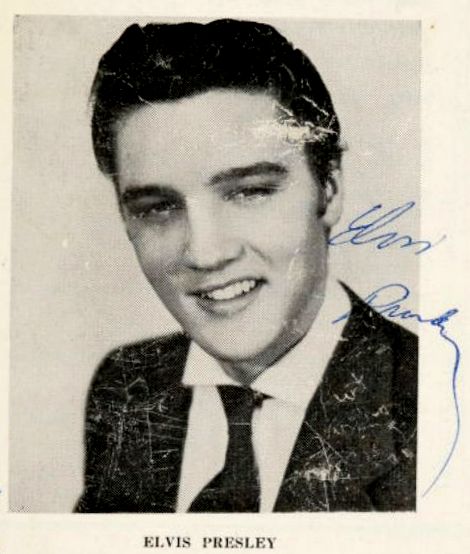
 Big D Jamboree program, Sept. 3, 1955 (click for larger image)
 That night’s schedule — E’s all over it (click for larger image)
 Typos like this wouldn’t be a problem soon (click for larger image)
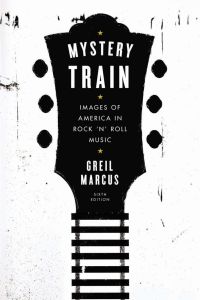
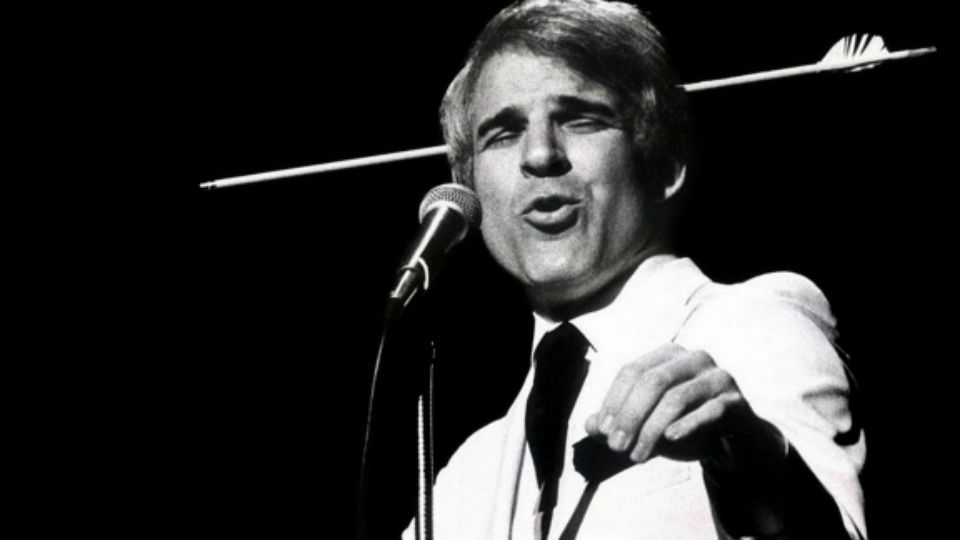
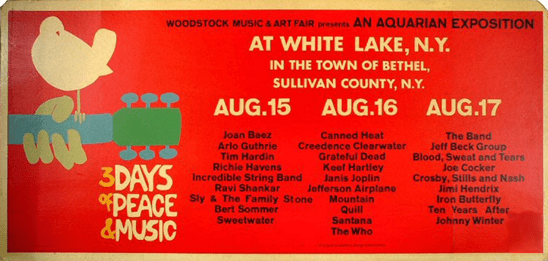


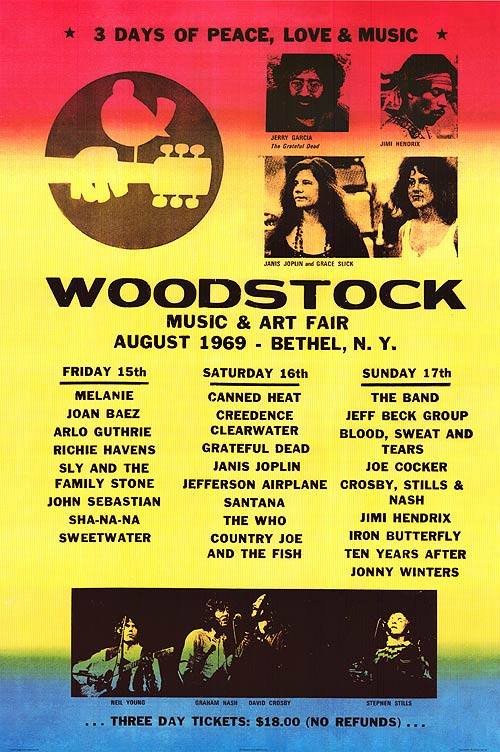

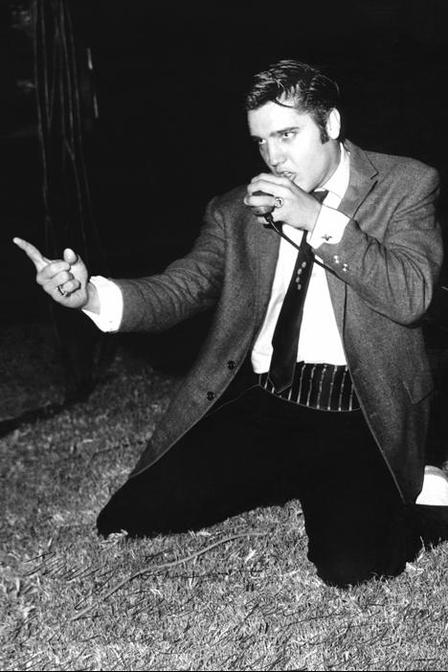


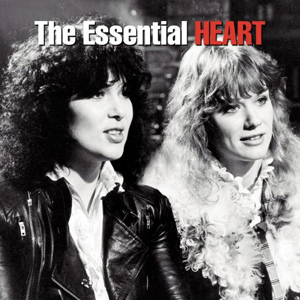









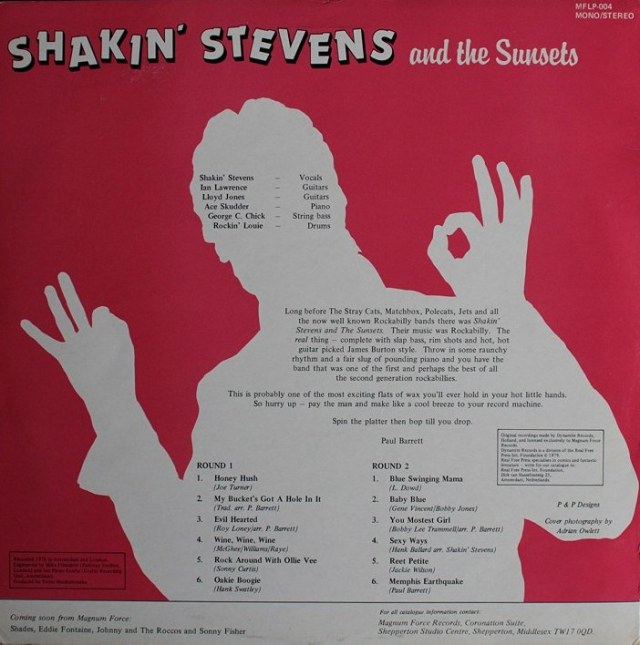


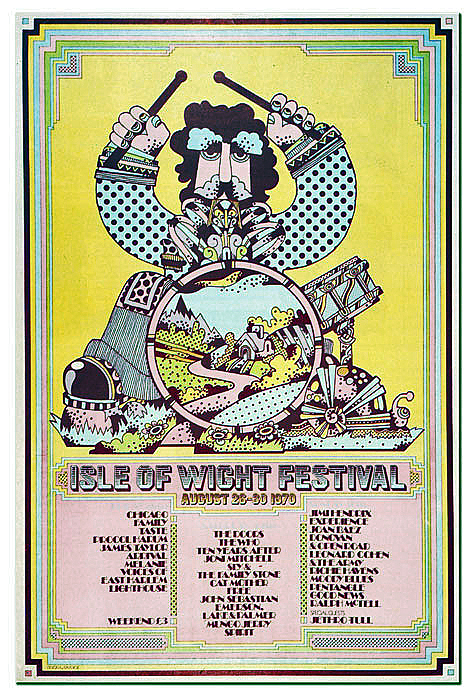
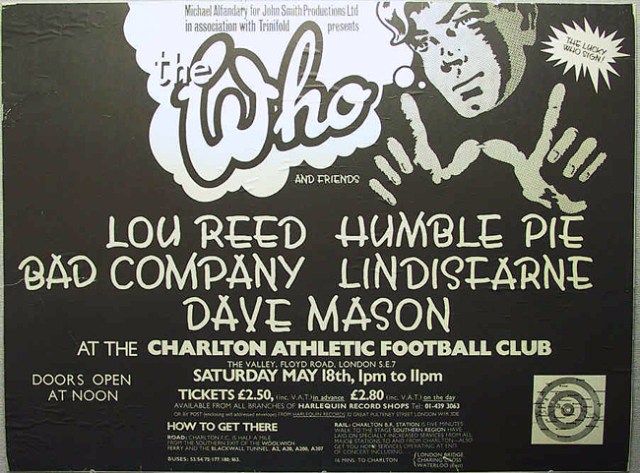




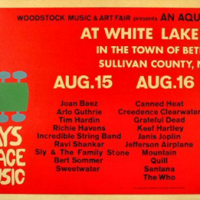
 ♫ COSMIC DWELLINGS ♫